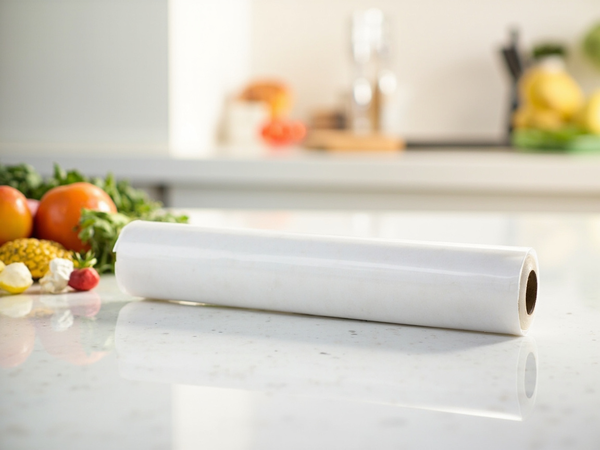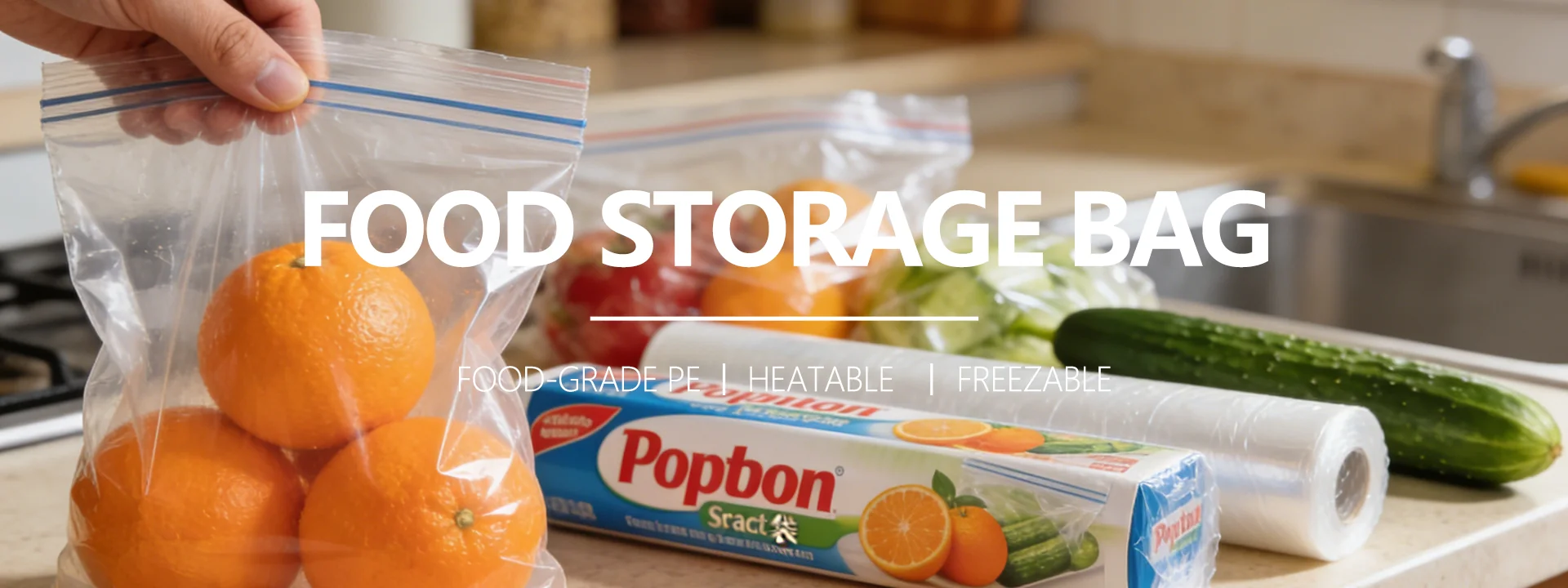
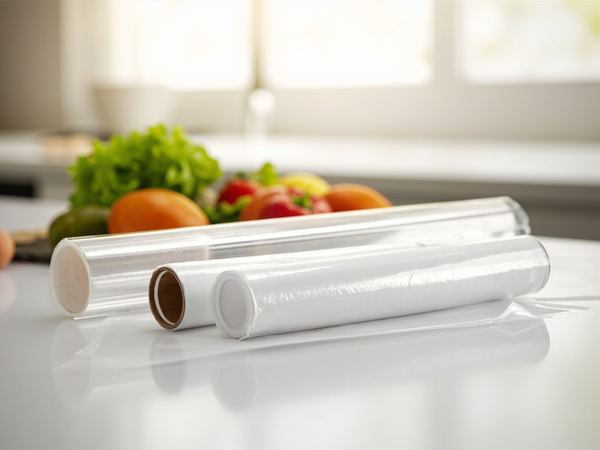
Cling wrap is an essential保鲜工具 in every household kitchen, and PE cling wrap has become widely popular due to its food-safe materials and excellent flexibility. So, how can you properly use PE cling wrap to maximize food freshness?
1. Choose the Right Cling Wrap
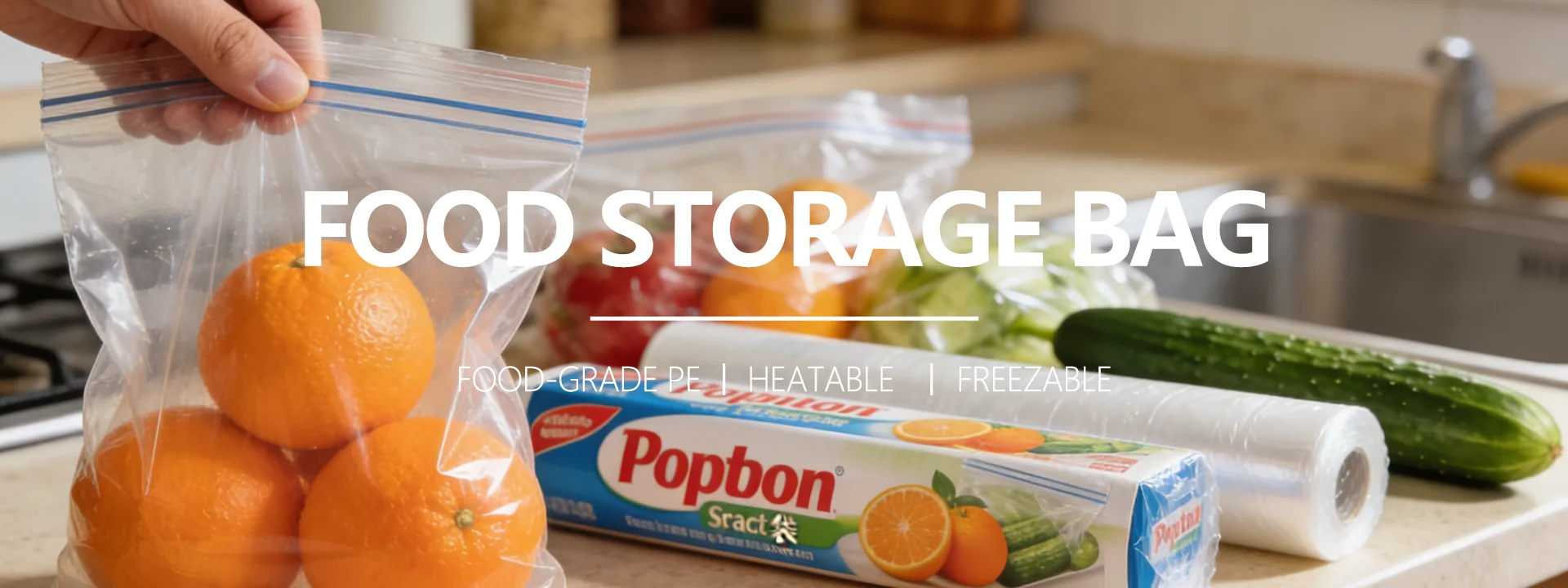
With so many types of cling wrap available on the market, it is recommended to prioritize food-grade PE material products. Baodafor PE cling wrap is made from premium food-grade polyethylene, free of plasticizers, and complies with national food safety standards, safe for direct contact with food surfaces.
2. Proper Usage Techniques
1. Let food cool before covering: Covering hot food directly with cling wrap creates steam and condensation, which accelerates bacterial growth. It is best to let food cool to room temperature before covering.
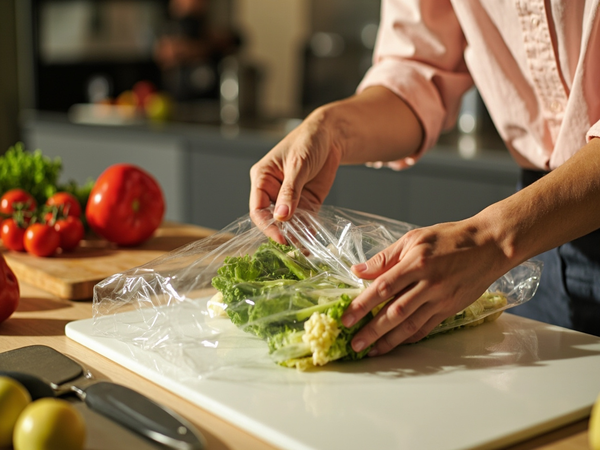
2. Maintain proper distance between cling wrap and food: When covering, there is no need to press the wrap tightly against the food surface. Keeping it slightly loose allows air circulation and reduces water condensation.
3. Separate raw and cooked foods: Raw meats, seafood, and other uncooked items should be wrapped separately from cooked foods and fruits to avoid cross-contamination.
3. Best Uses for PE Cling Wrap
PE cling wrap is ideal for refrigerator storage, frozen food packaging, and short-term preservation of leftover meals. However, it is important to note that PE cling wrap is not heat-resistant and should not be used in microwaves. For heating purposes, choose microwave-safe wrap or use a microwave-safe lid instead.
4. Tips for Frozen Food Storage
Before placing food in the freezer, wrap it tightly with cling wrap, removing as much air as possible. This effectively prevents freezer burn and oxidation. Baodafor PE cling wrap offers excellent low-temperature resistance, remaining stable even in freezing environments below -18°C.
By mastering these usage tips and choosing high-quality PE cling wrap, you can keep your food fresher for longer and make your kitchen life more convenient and efficient.