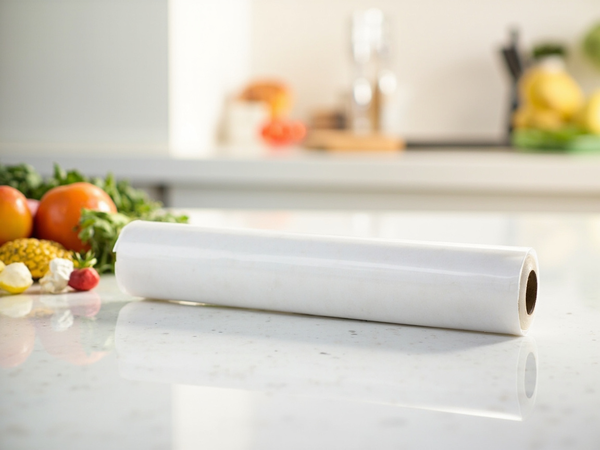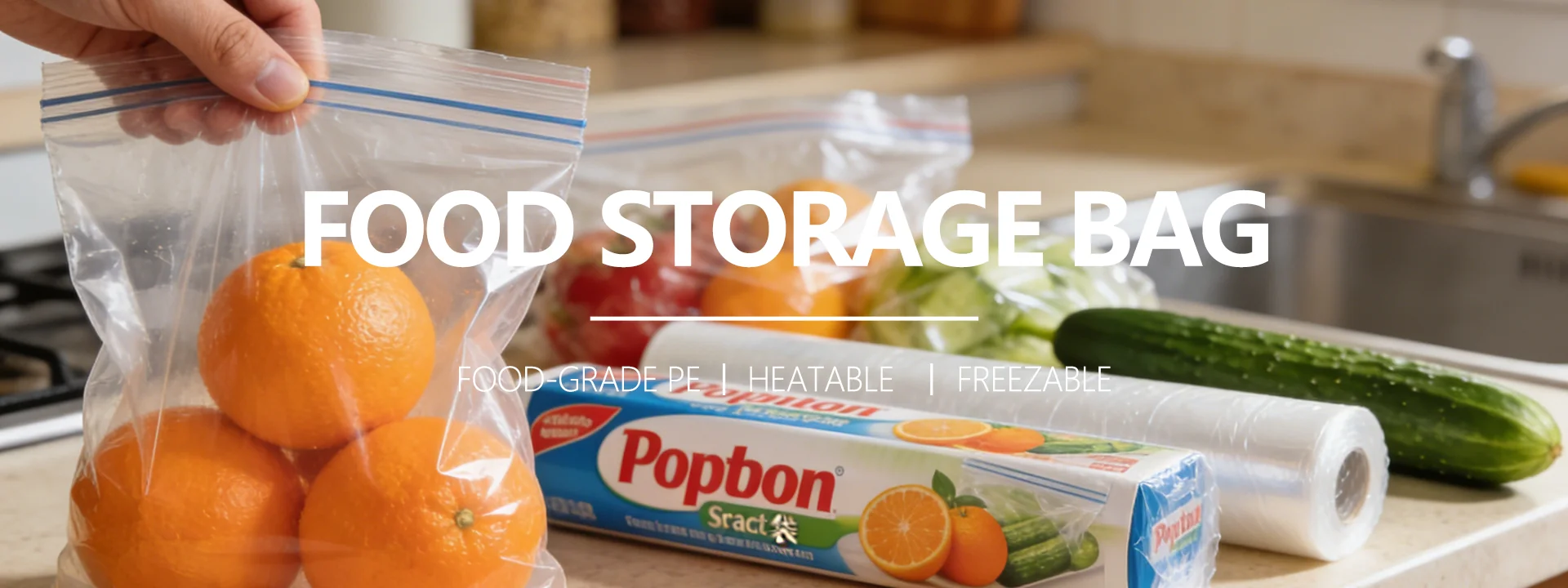
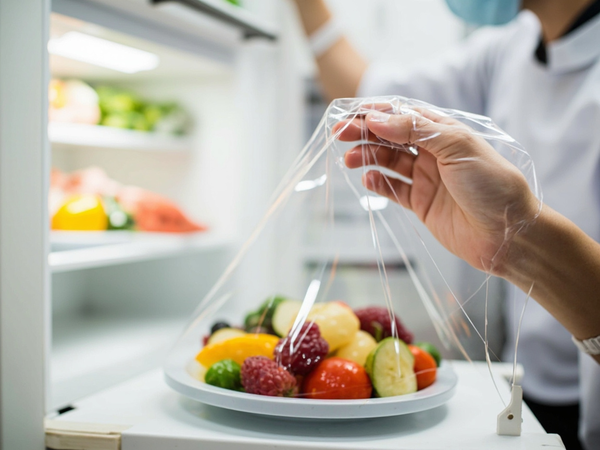
PE cling wrap is one of the most commonly used food preservation tools in our daily life, but many people have misunderstandings when using it, resulting in poor preservation effects. Today, we will share some correct PE cling wrap usage tips.
1. Choose the Right Cling Wrap
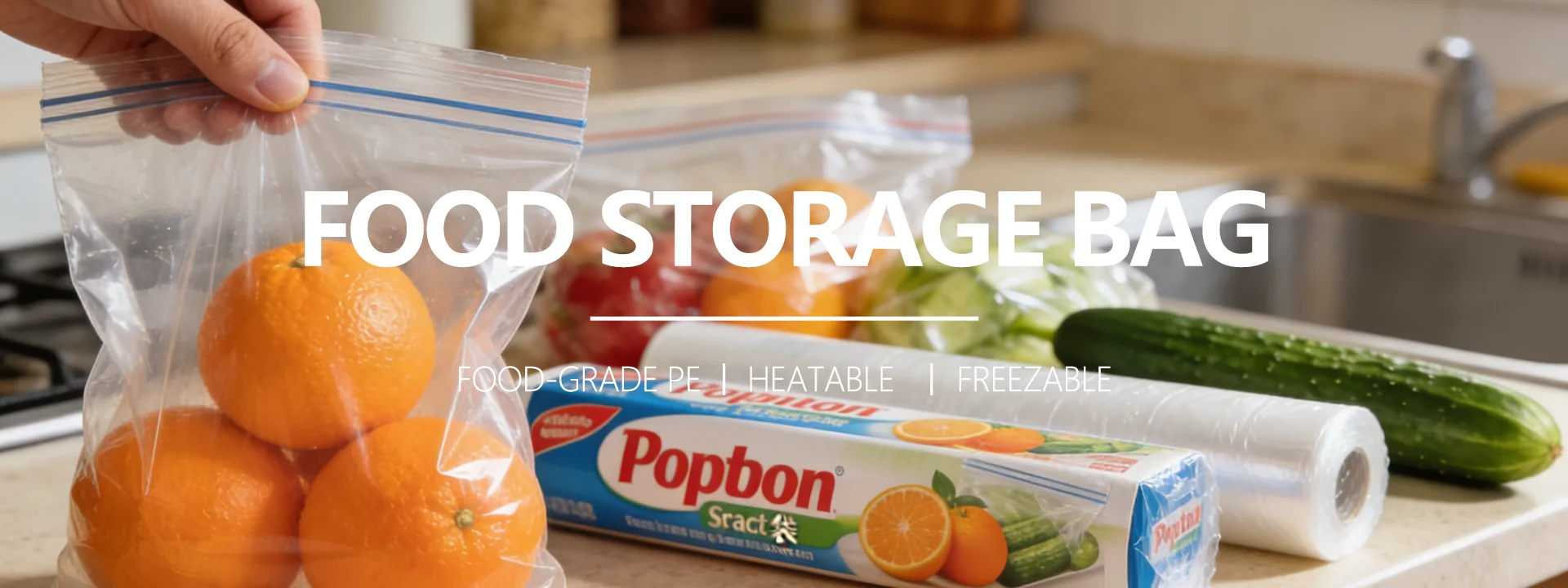
Not all plastic films are suitable for food preservation. We should choose cling wrap marked with "food grade" or "PE" labels, as these products have passed safety testing and can safely contact food. Low-quality cling wrap may contain harmful components and should be avoided.
2. Proper Wrapping Methods
1. Before wrapping food, ensure the food surface has no excess moisture, which can prevent bacterial growth.
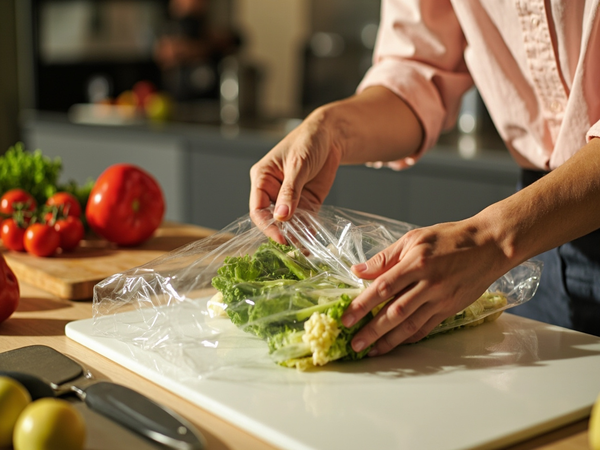
2. Cling wrap should fit snugly against the food but not be wrapped too tightly, so as not to affect breathability.
3. For soup-based foods, it is recommended to cool them down before covering with cling wrap to avoid condensation droplets from steam.
3. Preservation Tips for Different Foods
Fruits and vegetables: When wrapping with cling wrap, keep ventilation holes to help extend freshness.
Meat and seafood: It is recommended to use double-layer wrapping and consume as soon as possible. Before freezing, tightly wrap with cling wrap to prevent freezer burn.
Cooked food: Ensure food is completely cooled before covering to avoid steam causing bacterial growth.
4. Precautions
PE cling wrap is not suitable for high-temperature environments and cannot be placed in microwave ovens for heating (unless explicitly labeled as microwave-safe). It is recommended to use fresh cling wrap each time to ensure hygiene and safety.
By mastering the correct usage methods, PE cling wrap can effectively extend food freshness, reduce waste, and make your diet healthier and safer.