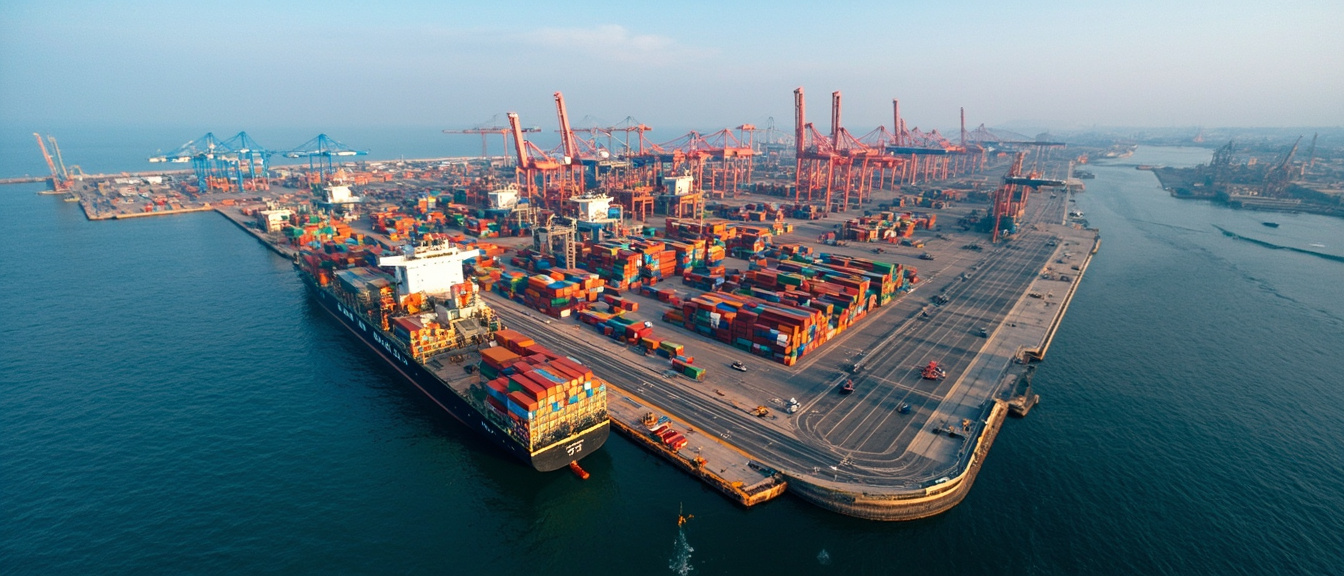
Chinese Food-Grade Packaging Companies Accelerate Overseas Expansion: Southeast Asia and Middle East Emerge as New Growth Engines
Against the backdrop of global supply chain restructuring and the deepened Belt and Road Initiative, Chinese food-grade packaging material enterprises are seizing unprecedented opportunities for international expansion. In the first half of 2026, Southeast Asia and the Middle East have surged ahead as the two fastest-growing export markets for domestic packaging materials, drawing increasing attention from Chinese companies.
Southeast Asia: Structural Opportunities for Rapid Growth
With a population of nearly 700 million and accelerating urbanization, the Southeast Asian region is experiencing explosive demand for food packaging. More importantly, many Southeast Asian countries are in the early stages of food industrialization, with relatively relaxed certification standards for food-grade packaging materials, providing a valuable window for Chinese companies to enter the market.
Emerging markets represented by Vietnam, Indonesia, and Thailand are seeing rapid expansion of chain restaurant brands, driving simultaneous upgrades in upstream packaging supply chains. Compared to European, American, Japanese, and Korean suppliers, Chinese food-grade packaging enterprises hold a significant advantage in cost performance and delivery cycles, with deeper cultural affinity and market understanding.
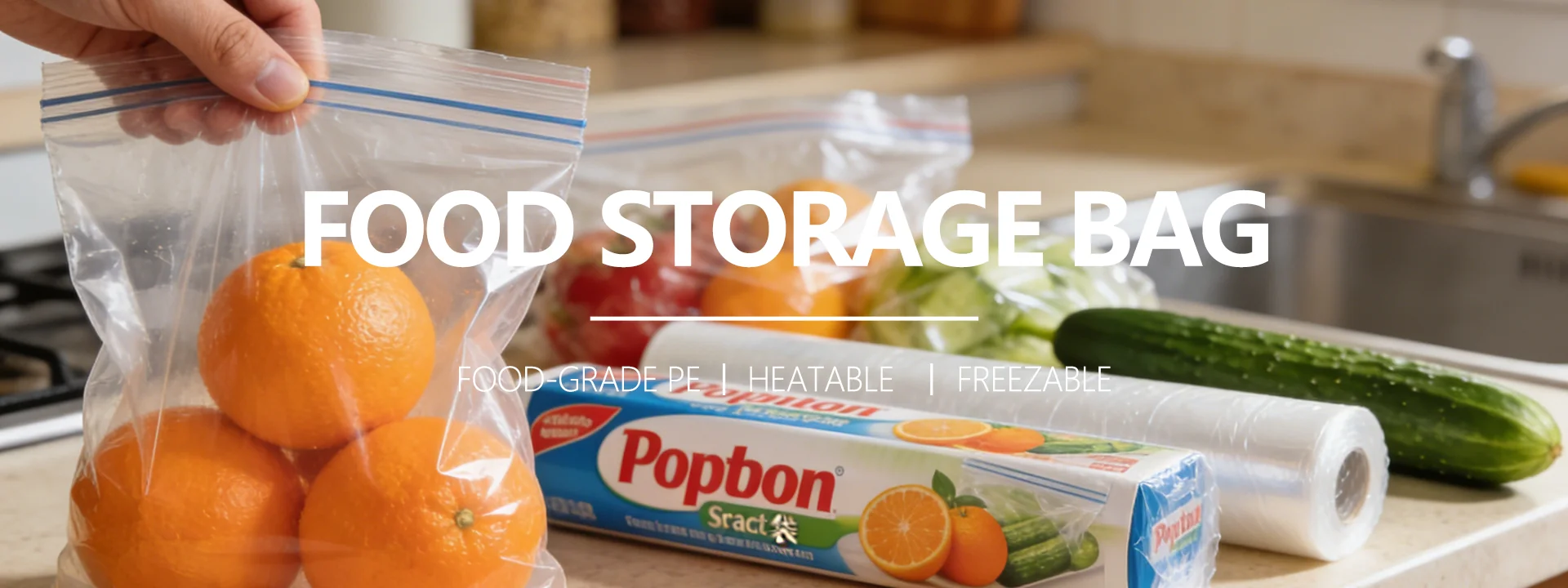
The Malaysian and Singaporean markets present distinct demand characteristics — consumers in both countries show high concern for food safety and greater acceptance of premium food-grade packaging. For instance, food-contact-rated PE (polyethylene) cling wrap and ziplock bags continue to see rising penetration rates in Singapore's high-end supermarkets.
Middle East Market: Policy-Driven Incremental Space
The rapid growth in Middle Eastern demand for food-grade packaging materials is closely tied to the region's vigorous push for localized food production. Gulf countries, represented by Saudi Arabia and the UAE, are striving to reduce their high dependence on food imports by building domestic food processing facilities — a strategy that directly stimulates upstream packaging material demand.
Notably, the Middle East market imposes higher religious compliance requirements on packaging materials — for example, packaging for halal food must meet Halal certification standards. This means Chinese packaging enterprises seeking to deep-dive into this market need not only to satisfy material performance requirements but also to establish a complete religious compliance certification system.
Dubai, UAE, serving as the Middle East's trade hub, is becoming a springboard for Chinese packaging enterprises to reach the entire Gulf market. Many companies choose to establish regional offices in Dubai first before gradually expanding into surrounding markets.
Export Challenges: Triple Pressure from Currency, Certification, and Logistics
Despite the obvious opportunities for overseas expansion, Chinese food-grade packaging enterprises still face considerable challenges in their export processes.
Exchange rate risk is the primary pressure. Since 2026, RMB exchange rate volatility has intensified, while food packaging export order cycles are generally long — from order receipt to payment collection often takes 3 to 6 months. Exchange rate fluctuations can significantly erode export profits. Some companies use forward foreign exchange contracts to hedge risks, but small and medium-sized enterprises often lack this capability.
Certification barriers are equally noteworthy. Different countries and regions have significantly varied requirements for food contact materials — the EU follows EC No 1935/2004 regulations, North America relies on FDA certification, and Gulf countries require Halal certification. The same product often requires multiple certifications, substantially increasing export costs.
Logistics costs represent the third challenge. Food-grade packaging materials are bulky and lightweight, resulting in low container utilization rates for sea freight and relatively high unit logistics costs. Especially for urgent orders and small batches, air freight costs may become prohibitive.
Localization Strategy: The Key to Deepening International Markets
An increasing number of Chinese packaging enterprises recognize that simple product exports are no longer sufficient to secure a foothold in competitive international markets. Localization strategies are becoming a consensus among overseas-expanding enterprises.
In terms of production localization, some leading enterprises have begun investing in overseas manufacturing facilities. For example, establishing production bases in Vietnam and Indonesia not only helps circumvent trade barriers but also leverages lower local labor costs and favorable tax policies.
Regarding marketing localization, Chinese enterprises are increasing investment in overseas social media and B2B platforms. Bilingual Arabic and English promotional materials, collaborations with local KOLs, and participation in international food packaging exhibitions are becoming standard practices for reaching overseas customers.
For service localization, establishing overseas warehouses and local after-sales teams has become a core means for leading enterprises to differentiate competitively. Rapid response to customer needs is a critical factor for international customers when selecting suppliers.
Baodafor has been specializing in food-grade packaging materials for over 20 years, with core products including PE cling wrap, ziplock bags, aluminum foil, and baking paper, exporting to more than 60 countries and regions worldwide.