Food preservation is a daily concern for every household, and ziplock bags as a common preservation tool have their effectiveness directly tied to how correctly they are used. Many consumers have misunderstandings about using ziplock bags, resulting in shorter-than-expected freshness retention.
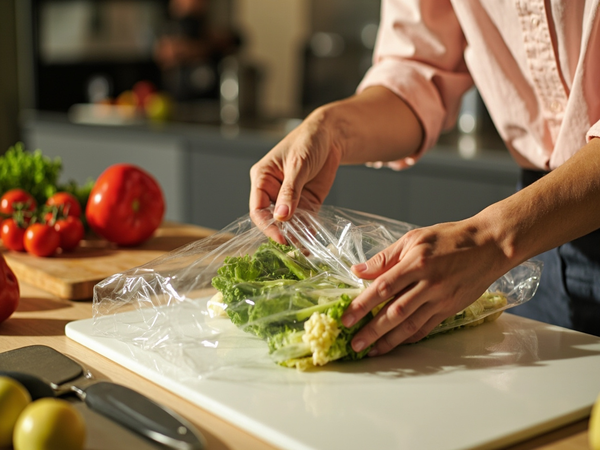
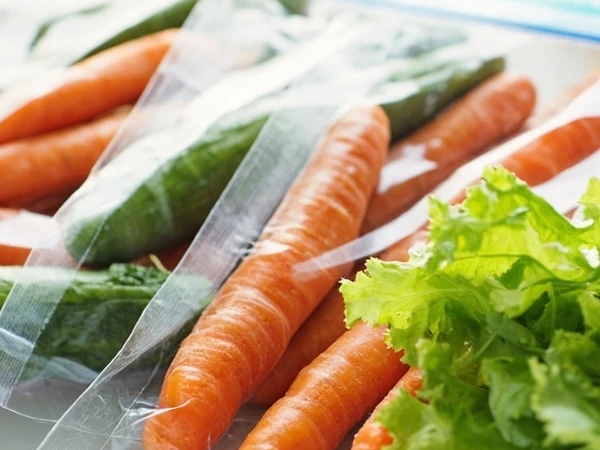
First, cleaning and drying are essential steps before using ziplock bags. Whether reusing or using new bags, ensure there is no moisture left inside the bag. Moisture accelerates bacterial growth and shortens preservation time. For fruits and vegetables with high water content, it is recommended to pat the surface dry with kitchen paper before placing them in the ziplock bag.
Second, expelling air from the bag is key to extending freshness. The sealed design of ziplock bags effectively blocks air, but residual air inside still allows slow oxidation. The pressing method or submersion method can be used to remove air: the pressing method is suitable for solid foods, squeezing from the bag opening toward the seal; the submersion method works for liquids or loose foods, placing the sealed bag in water and pressing from the bottom upward.
Temperature control is equally important. Different foods have different storage temperature requirements: meat and seafood should be frozen; most fruits and vegetables are better suited for refrigeration rather than freezing to avoid cell wall rupture affecting texture; dry goods should be stored in a cool, dry place away from moisture.
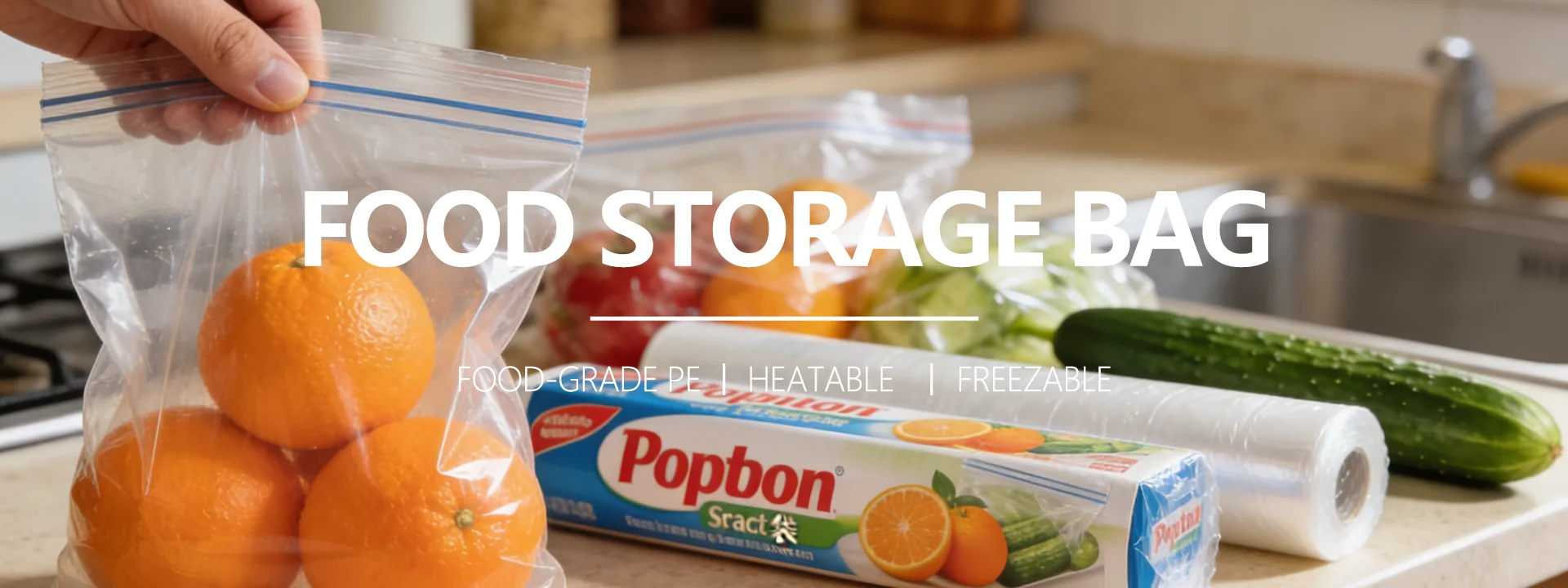
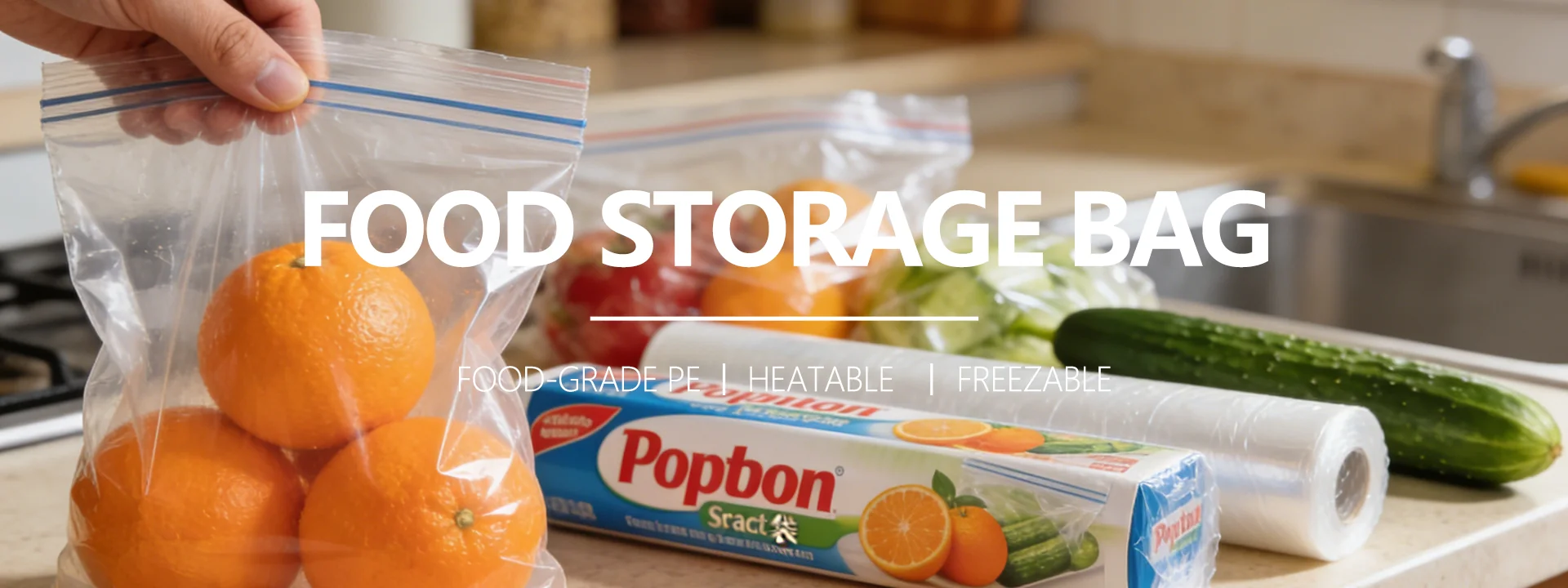
Baodafor ziplock bags are made from food-grade PE material, safe and non-toxic, with excellent toughness and tear resistance. The bag opening features a dual-track seal design for superior sealing performance and resealability. Product specifications are comprehensive, covering various sizes from mini storage to large-capacity storage, meeting different household and commercial needs. Choosing quality ziplock bags combined with proper usage methods can effectively reduce food waste and improve quality of life.