As environmental awareness continues to rise and carbon neutrality goals gain momentum, the food packaging industry is undergoing a profound material revolution. Traditional petroleum-based plastic packaging faces mounting environmental pressure, while bio-based degradable materials represented by polylactic acid (PLA) are rapidly emerging as a key direction for industry transformation and upgrading.
The National Development and Reform Commission's "Opinions on Further Strengthening Plastic Pollution Control" explicitly states that by 2025, non-degradable plastic packaging bags should be prohibited in shopping malls, supermarkets, and pharmacies in cities above the prefecture level. In response, food packaging companies are accelerating R&D in environmentally friendly materials and upgrading production lines to prepare for the upcoming industry shift.
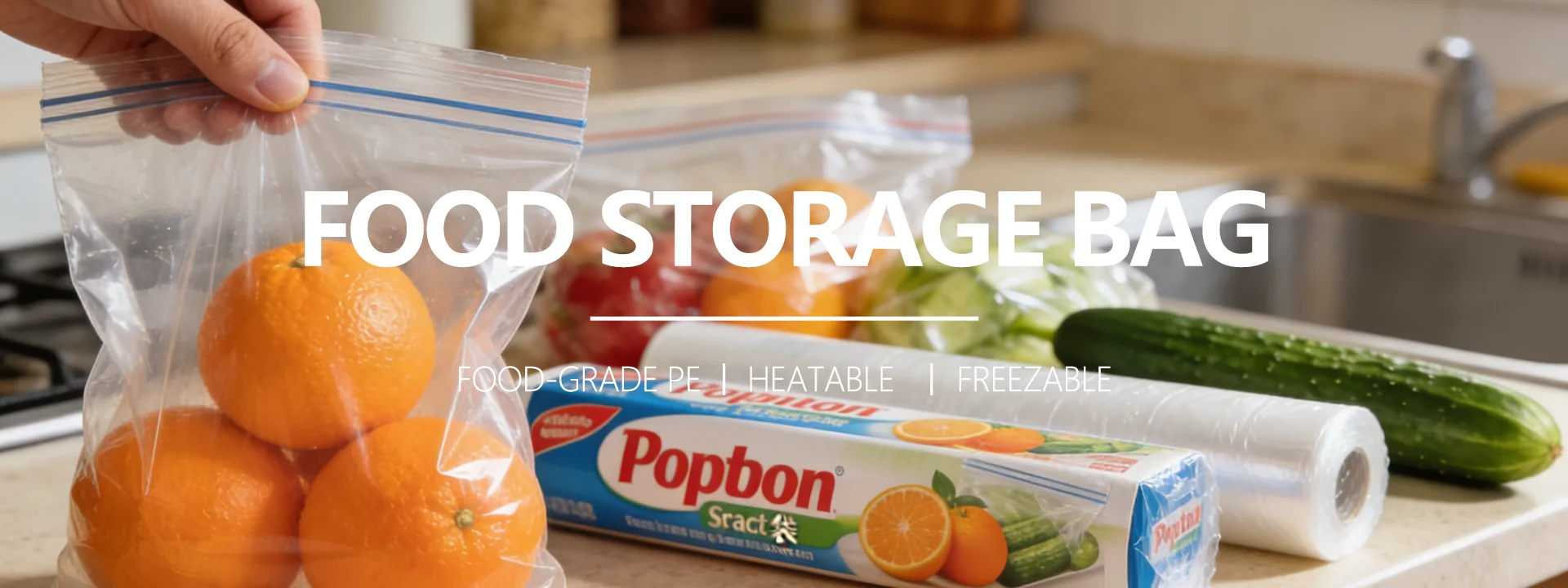
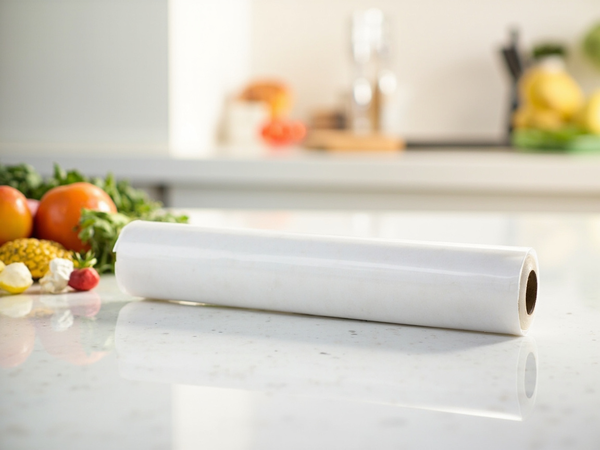
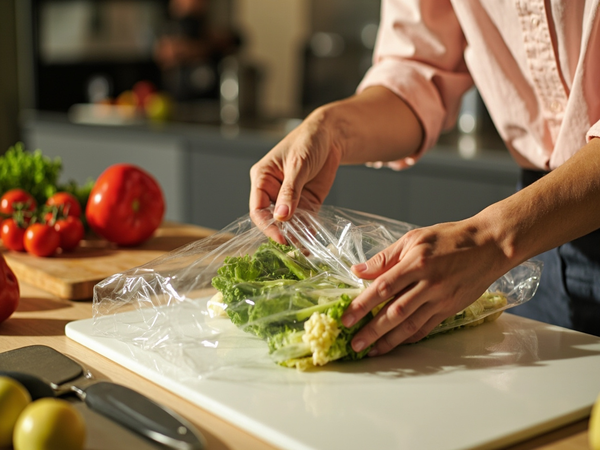
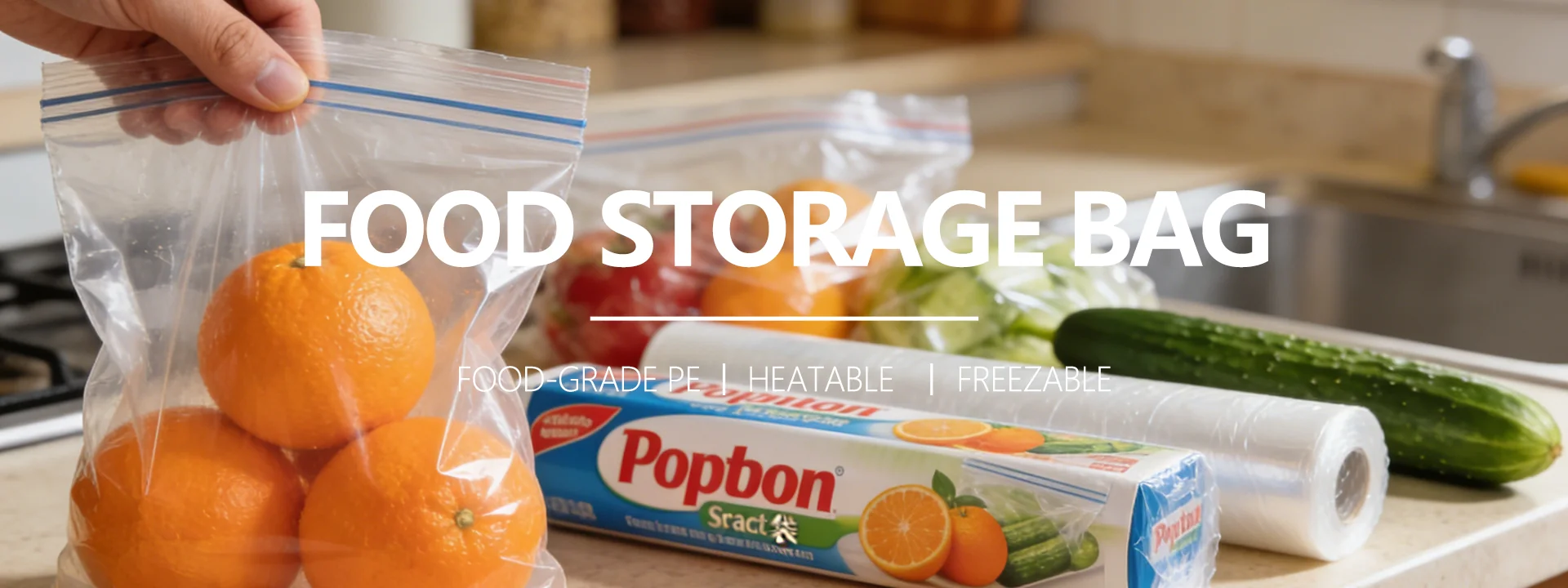
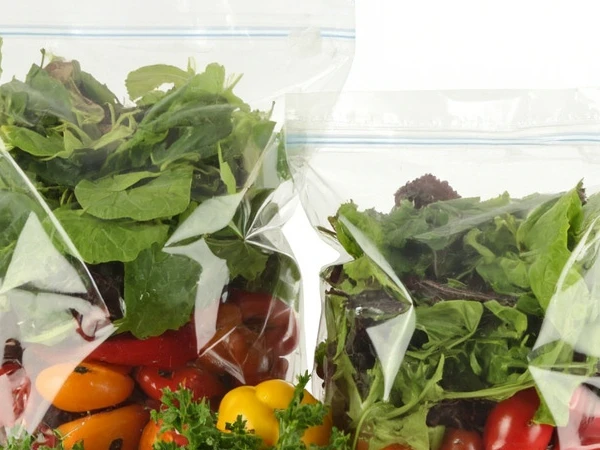
During recent industry research, reporters learned that several leading food packaging companies have achieved substantial progress in PLA, PBAT and other bio-based materials. For example, a Xiamen-based food packaging enterprise has already achieved large-scale commercial production from its new biodegradable packaging line, with products covering biodegradable cling wrap, compostable ziplock bags and other categories, widely used in fresh produce, baking, and food delivery applications.
Industry analysts believe the drive toward sustainable food packaging is fueled by three major factors: tightening national policies expanding biodegradable requirements from pilot cities nationwide; rising consumer environmental awareness making green packaging a key brand differentiation dimension; and increasing export trade barriers as some overseas markets require explicit biodegradable or recyclable certifications for packaging materials.
Notably, bio-based materials also perform excellently in food contact safety. PLA, for instance, has been approved by food safety authorities in multiple countries for food packaging applications, offering performance comparable to traditional plastics in cold storage preservation and oil resistance, while being able to fully degrade under industrial composting conditions within six months after disposal.
Industry insiders indicate that the food packaging material revolution has just begun, and the next three to five years will be a critical window for enterprises to establish their presence in the green track. With technological progress and cost reductions from scale effects, biodegradable packaging is expected to replace traditional plastics in more segmented scenarios, truly achieving the goal of "green packaging leading to greener living."