In home baking and kitchen cooking, baking paper is an indispensable helper. With its excellent heat resistance and non-stick properties, it brings great convenience to the cooking process. This article provides an in-depth analysis of the core characteristics, application scenarios, and usage tips of baking paper, helping consumers better understand this practical kitchen staple.
What Is Baking Paper?
Baking paper, also known as oven liner, is a specialty paper designed for baking and cooking. Typically made from wood pulp or food-grade silicone paper, it is coated with silicone oil to deliver excellent non-stick performance. Compared with the traditional method of greasing baking trays, baking paper requires no additional oil, simplifying the cooking process while reducing fat intake.
Heat Resistance: The Core Performance Indicator
Heat resistance is one of the most critical attributes of baking paper. High-quality baking paper can generally withstand high temperatures ranging from 200°C to 230°C, maintaining its structure without deformation, burning, or releasing harmful substances under normal use conditions. This characteristic makes it widely applicable across various cooking scenarios including oven-baked pastries, roasted meats, and baked fish.
It is important to note that heat resistance may vary among different brands and specifications of baking paper. Consumers should carefully check product instructions when purchasing to ensure the product meets their actual cooking needs.
Wide Range of Applications
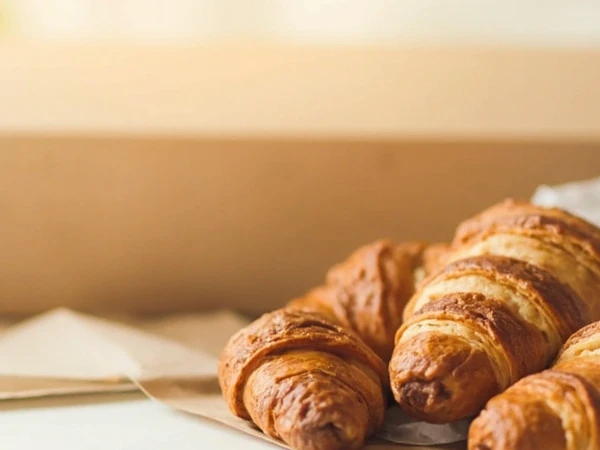
Baking Pastries: This is the most common use of baking paper. Whether making cake bases, cookies, or cupcakes, placing baking paper on the baking tray effectively prevents food from sticking and ensures the pastries come out intact and visually appealing.
Roasting Meat and Fish: Laying a layer of baking paper on the roasting pan prevents meat juices from splattering, making cleanup easier, while preserving the original flavor of the ingredients. Compared with aluminum foil, baking paper offers better breathability, making it suitable for cooking methods that require browning or caramelization on the food surface.
Cooking Preparation: During meal preparation, baking paper can also be used as a liner on cutting boards, facilitating dough rolling and shaping while effectively preventing sticking.
Usage and Storage Tips
- Ensure baking paper is dry before use, as moisture may compromise its performance.
- When cutting, it is recommended to trim the paper slightly larger than the tray to allow full edge coverage.
- Store in a cool, dry environment away from high temperatures and humidity.
- Single use is recommended; repeated use may diminish the non-stick effect.
Conclusion
With its heat resistance, non-stick properties, and eco-friendly convenience, baking paper has become a highly favored cooking aid in modern kitchens. Baodafor's baking paper products strictly adhere to food-grade safety standards, offering stable heat resistance suitable for a wide range of applications from home baking to professional kitchens, delivering a more convenient and efficient baking experience for cooking enthusiasts.