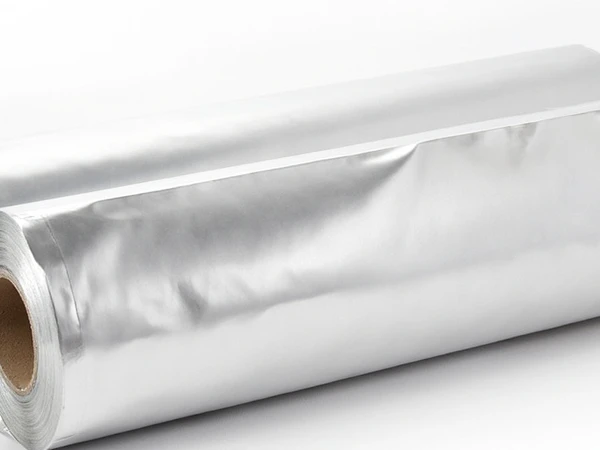
In the field of food packaging, the thickness of aluminum foil is a key factor affecting preservation effectiveness and ease of use. Currently, common aluminum foil thicknesses on the market range from 7 to 20 microns, with 9 microns and 15 microns being the two most widely used specifications for food packaging.
The 9-micron aluminum foil features a lightweight and thin texture, making it ideal for packaging light foods such as sandwiches, candies, and baked goods. It is easy to shape manually and cost-effective, widely used in convenience stores and takeout packaging.
Specifications of 15 microns and above provide better strength and barrier properties, effectively blocking light, oxygen, and moisture to significantly extend the shelf life of food products. In terms of high-temperature resistance, thicker aluminum foil demonstrates superior stability and can be used directly in ovens without easily tearing, making it especially suitable for wrapping foods that require long periods of high-temperature cooking such as roasted chicken and roasted meats.
Baodafor's aluminum foil product line covers multiple thickness specifications, all made with food-grade materials that are safe and non-toxic, meeting packaging needs for different catering scenarios. When purchasing, consumers can select products with appropriate thickness based on specific use cases and food types to achieve the best preservation and user experience.