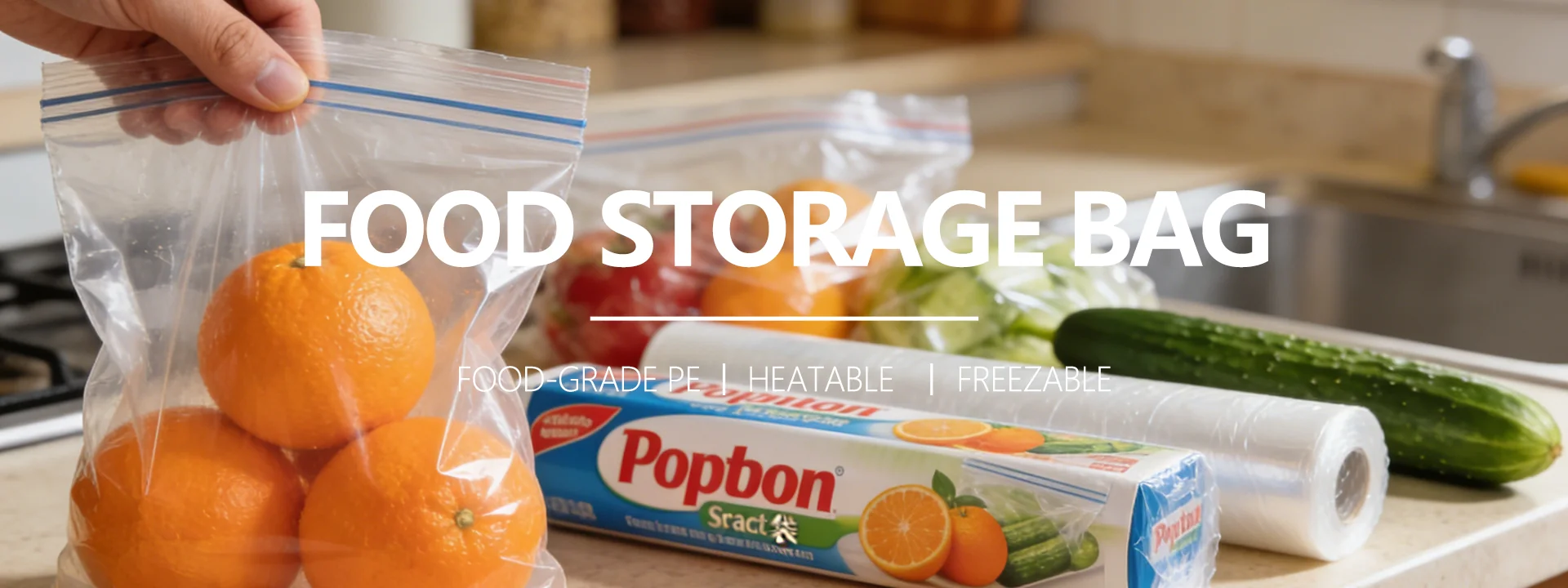
As consumer demands for food safety and convenience continue to rise, the food packaging industry is experiencing a new wave of innovation. Cling wrap, ziplock bags, aluminum foil and baking paper—essential items in both household and commercial kitchens—are evolving rapidly to meet diverse usage needs.
Material Upgrades: From Single-Function to Multi-Functional Composite
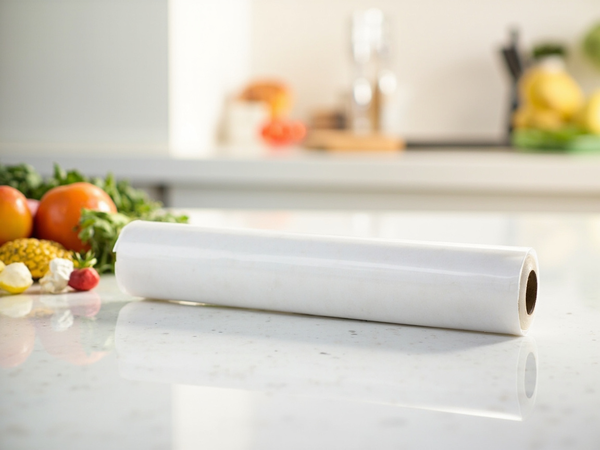
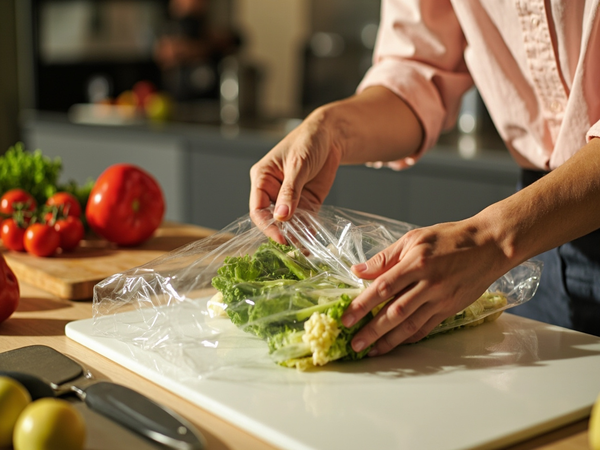
Traditional cling wrap, primarily made from PE material, served mainly as a dust barrier. However, the new generation of cling wrap employs multi-layer co-extrusion technology, integrating preservation, anti-fog and antibacterial properties into one product. Industry data shows that the global functional cling wrap market reached $4.7 billion in 2025, with an expected annual growth rate of 6.2% through 2030.
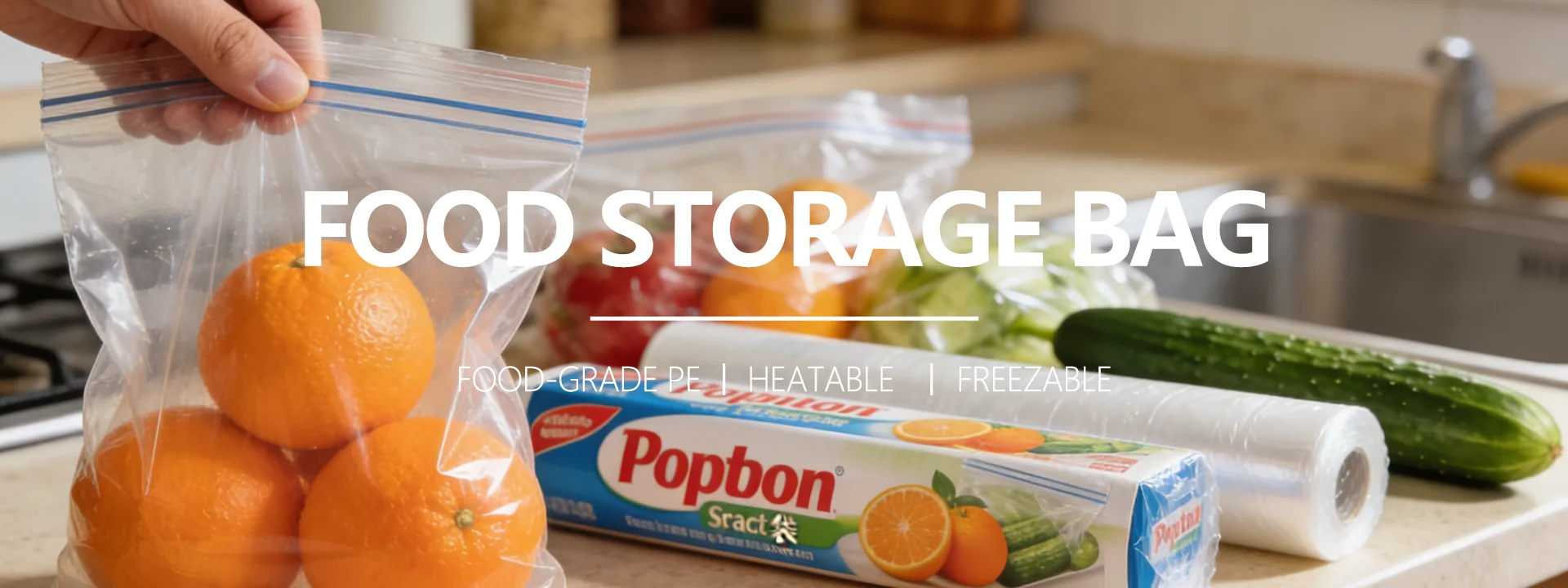
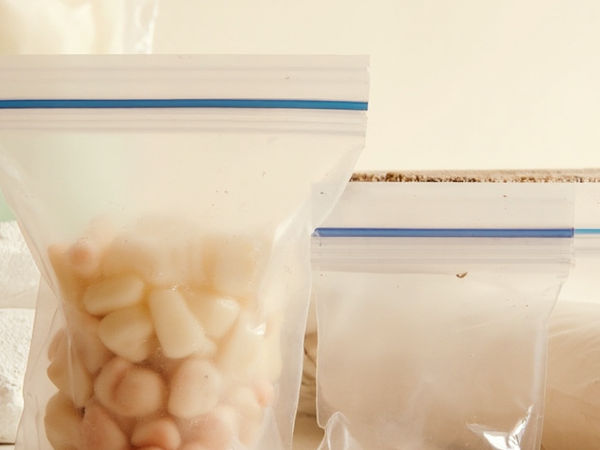
Innovation in ziplock bags is equally noteworthy. Environmentally friendly biodegradable ziplock bags have emerged in the market, addressing both household users' need for convenience and the global push to reduce plastic usage. Some premium brands have introduced one-touch vacuum sealing products that achieve vacuum effects with a simple press, significantly extending food preservation time.
Aluminum Foil: From Cooking Aid to Smart Packaging
Aluminum foil, widely used in food packaging due to its excellent barrier properties and high-temperature resistance, has seen notable advancements. Food-grade aluminum foil with optimal thickness and uniform heat conduction has become the market standard. Some manufacturers have launched pre-cut aluminum foil products, eliminating the need for manual cutting.
Baking Paper: From Professional Kitchens to Home Use
Baking paper, also known as oven liner, was originally confined to professional baking applications. With the rise of home baking culture, demand for baking paper has grown substantially. The market now offers two main product types: silicone-coated paper with excellent high-temperature resistance, and stone paper, which is more environmentally friendly and biodegradable.
Industry experts indicate that food packaging innovation is moving toward greater safety, convenience and environmental sustainability. Looking ahead, as consumer health awareness and environmental requirements continue to strengthen, the food packaging industry will see even more breakthrough products.