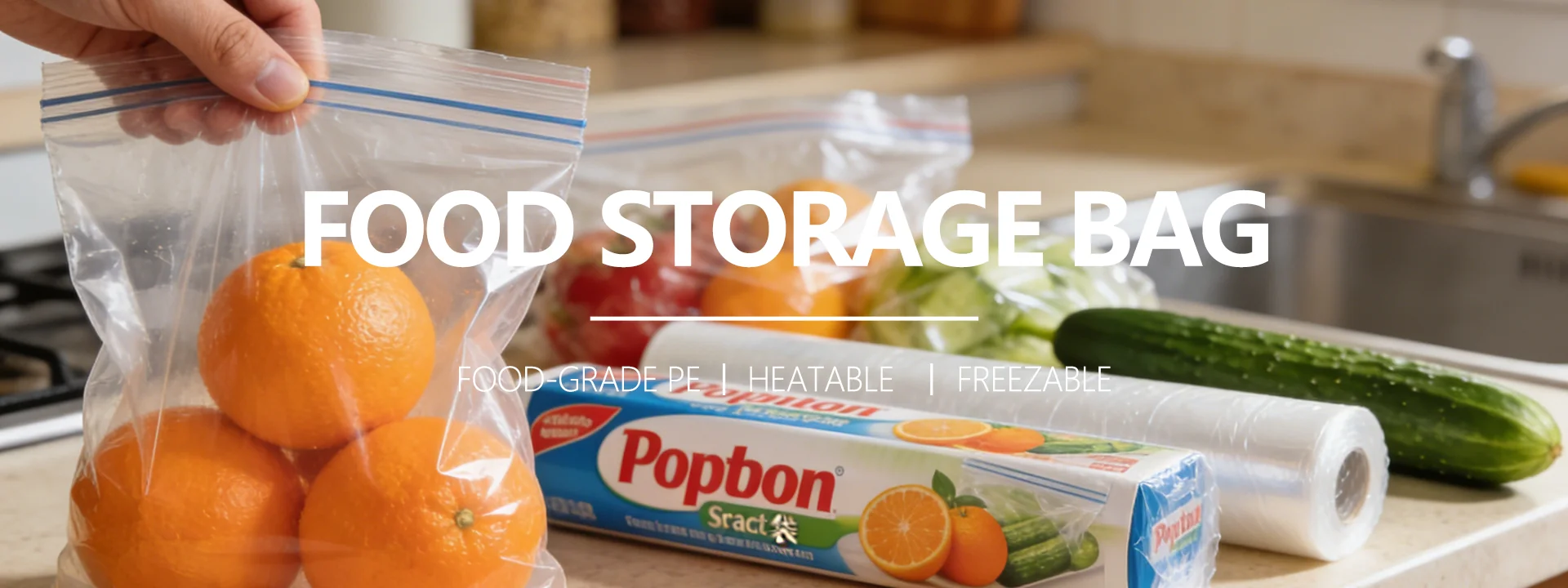
In daily household life, plastic wrap and ziplock bags are two of the most commonly used food storage tools. Using them together can leverage their individual advantages for more efficient preservation results.
Refrigeration Pretreatment
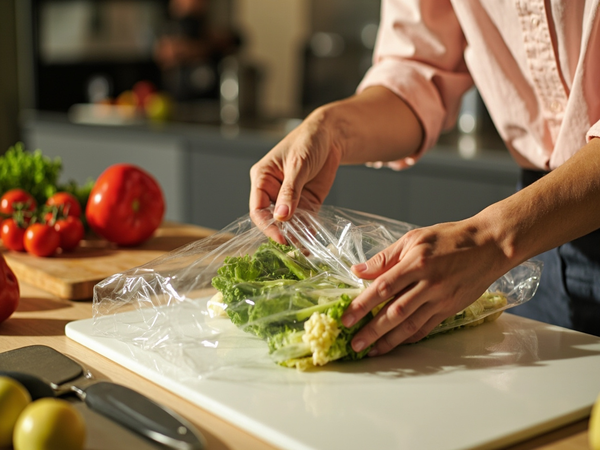
Place ingredients in a ziplock bag, expel the air and seal it, then wrap the outside of the bag with a layer of plastic wrap. This double protection effectively prevents flavor transfer while adding a moisture-proof layer. This approach is especially suitable for easily perishable ingredients like seafood and meat.
Freezing Preservation Tips
For ingredients requiring long-term freezing, it is recommended to first tightly wrap the ingredient surface with plastic wrap, then place it in a ziplock bag. This prevents frost from directly contacting the food, reducing the risk of freezer burn while maintaining food texture and nutrition.
Liquid Food Storage
When storing liquid foods like soups and sauces, first cover the container opening with plastic wrap, then put on the lid, and finally place the whole thing in a ziplock bag to prevent leaks. This method is particularly practical when packing lunch or going on picnics.
Space Saving
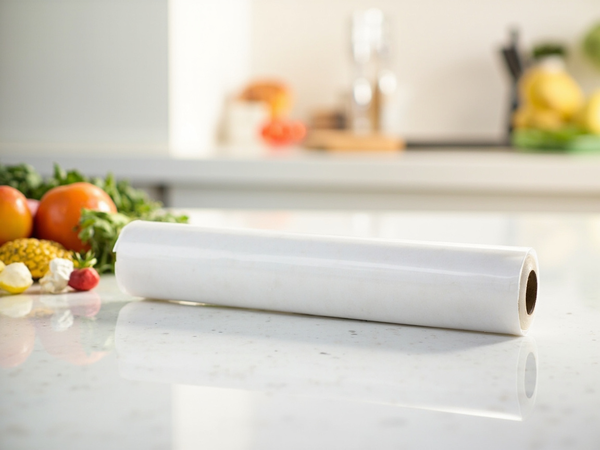
Neatly stack flat-sealed ziplock bags and wrap the outside with plastic wrap to effectively save refrigerator space. Baodafor's PE plastic wrap has excellent stretchability and sealing performance, making it an ideal combination with food-grade ziplock bags for household food preservation.
Hygiene and Safety
Baodafor's plastic wrap and ziplock bags are made from food-grade raw materials, meeting national safety standards and containing no plasticizers, ensuring safe contact with all types of food.
Correctly pairing plastic wrap and ziplock bags not only extends food shelf life but also preserves the original flavor of ingredients, making household dining healthier and more convenient.