Baking paper, also known as parchment paper or oven liner, is an indispensable auxiliary material in home baking and food processing. Baodafor Food Packaging reminds you: correctly selecting and using baking paper not only improves baking results but also effectively protects your family's health.
The core material of baking paper is silicone paper, which is made by coating a thin layer of food-grade silicone oil onto base paper, giving it excellent non-stick, oil-resistant, and moisture-resistant properties. High-quality baking paper should have the following characteristics: first, stable high-temperature resistance, with ordinary baking paper capable of withstanding temperatures above 220°C, meeting most home baking needs; second, free from fluorescent agents and harmful chemicals, certified for food contact material safety; third, good paper toughness, not easy to tear or produce crumbs, avoiding food contamination.
When using baking paper, the following points should be noted: before first use, it is recommended to rinse with clean water and air dry to remove trace dust on the paper surface; when cutting, use sharp scissors to ensure clean edges; when laying on a baking tray, press firmly against the bottom of the tray to avoid uneven baking caused by air bubbles; for foods requiring long-duration high-temperature baking, it is recommended to lay a layer of aluminum foil under the baking paper to enhance heat insulation.
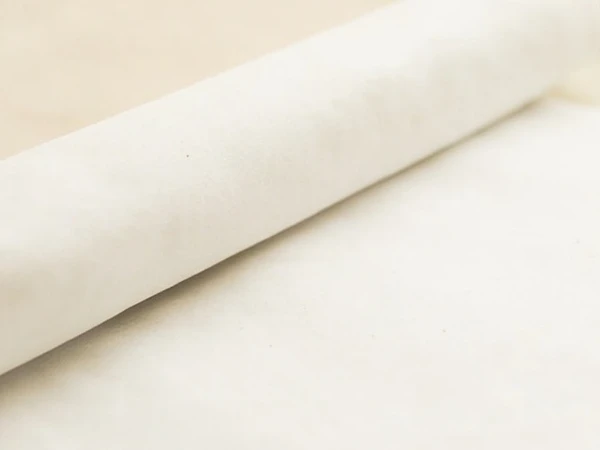
When purchasing baking paper, priority should be given to food-grade products from reputable manufacturers, checking the execution standards and certification information on the packaging. Baodafor's baking paper strictly adheres to national food contact material standards, featuring pure white color, uniform thickness, and excellent non-stick performance, deeply trusted by domestic and international customers.