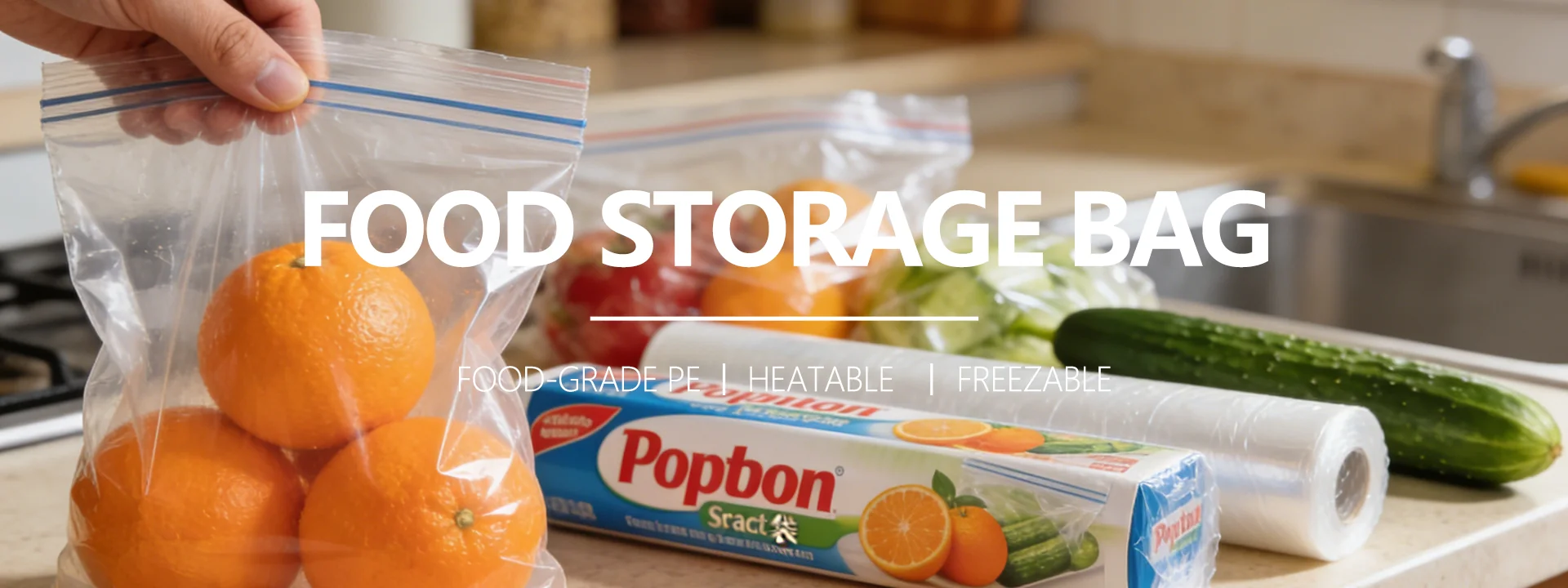
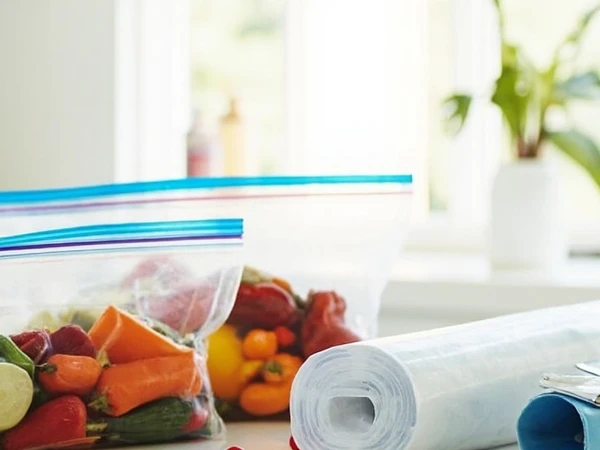
With the rising environmental awareness among consumers, an increasing number of households are rethinking their kitchen food storage methods. Among the various food packaging products available, reusable ziplock bags and traditional disposable cling wrap each have their own advantages. This article analyzes which option is more suitable for daily home use from multiple dimensions.
Material and Durability Comparison
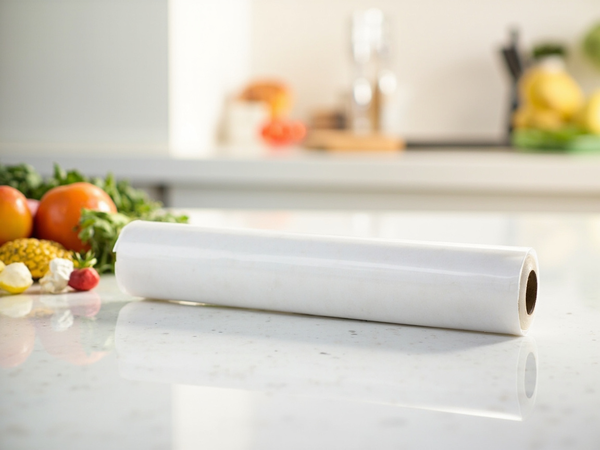
Traditional disposable cling wrap is primarily made of PE (polyethylene), offering good flexibility and high conformability, but it can only be used once before being discarded. In contrast, high-quality ziplock bags are made from food-grade LDPE material with stronger structural integrity, allowing them to be repeatedly washed and reused hundreds of times. From a long-term usage perspective, the cost per use is significantly reduced.
Sealing Performance Analysis
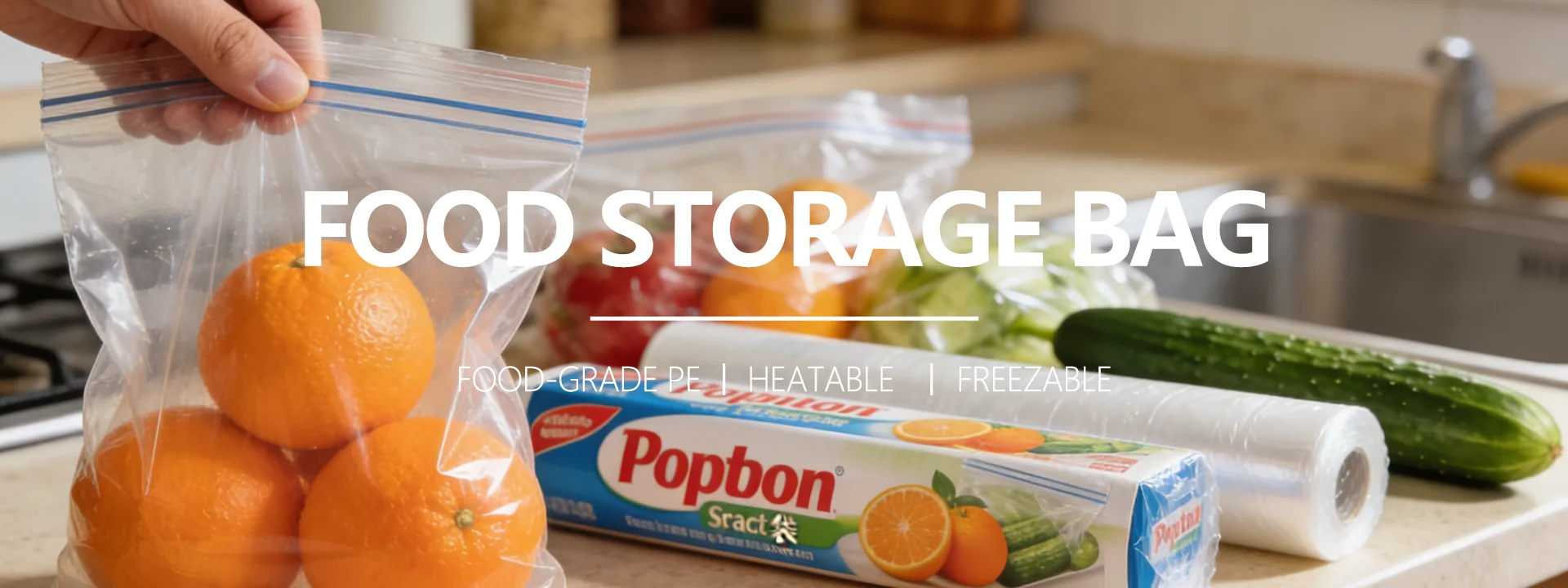
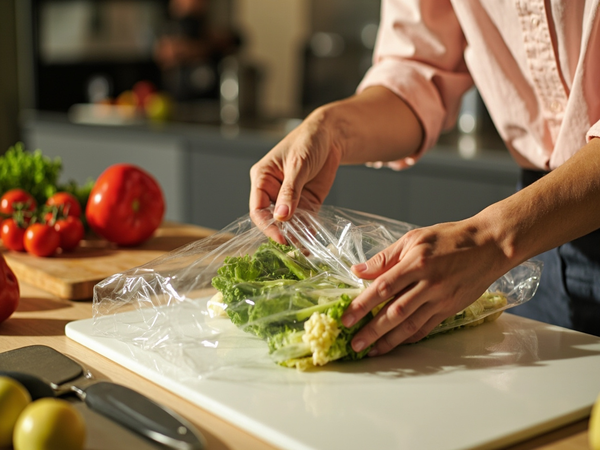
Cling wrap relies on its own adhesion to wrap around containers, and the sealing effectiveness is greatly influenced by how it is applied—improper wrapping can easily lead to air leakage. Ziplock bags feature a double-track zipper seal design with tight interlocking, providing more stable air-tightness. This is particularly suitable for storing liquid foods such as soups and sauces, effectively preventing leaks.
Environmental Benefits
According to related statistics, an average household consumes approximately 2 to 3 rolls of cling wrap per year, generating about 0.5 kilograms of plastic waste. By choosing reusable ziplock bags, assuming twice-weekly cleaning and disinfection, a single product can replace hundreds of sheets of cling wrap. Long-term use significantly reduces plastic waste generation, aligning with the current green and low-carbon lifestyle philosophy.
Application Scenario Recommendations
For daily storage of vegetables and fruits with short-term preservation needs, or for portioning raw meat in refrigerators, ziplock bags are recommended as the priority choice. For high-temperature steaming or microwave heating, cling wrap products marked with high-temperature resistant labels should be used instead. Each has its own advantages, and consumers can make informed choices based on specific usage scenarios.
Baodafor specializes in food-grade packaging product research and development. Its ziplock bag series have all passed relevant food contact material testing, and the double-track zipper design ensures good sealing performance even after multiple openings, providing households with safe, environmentally friendly, and cost-effective food storage solutions.