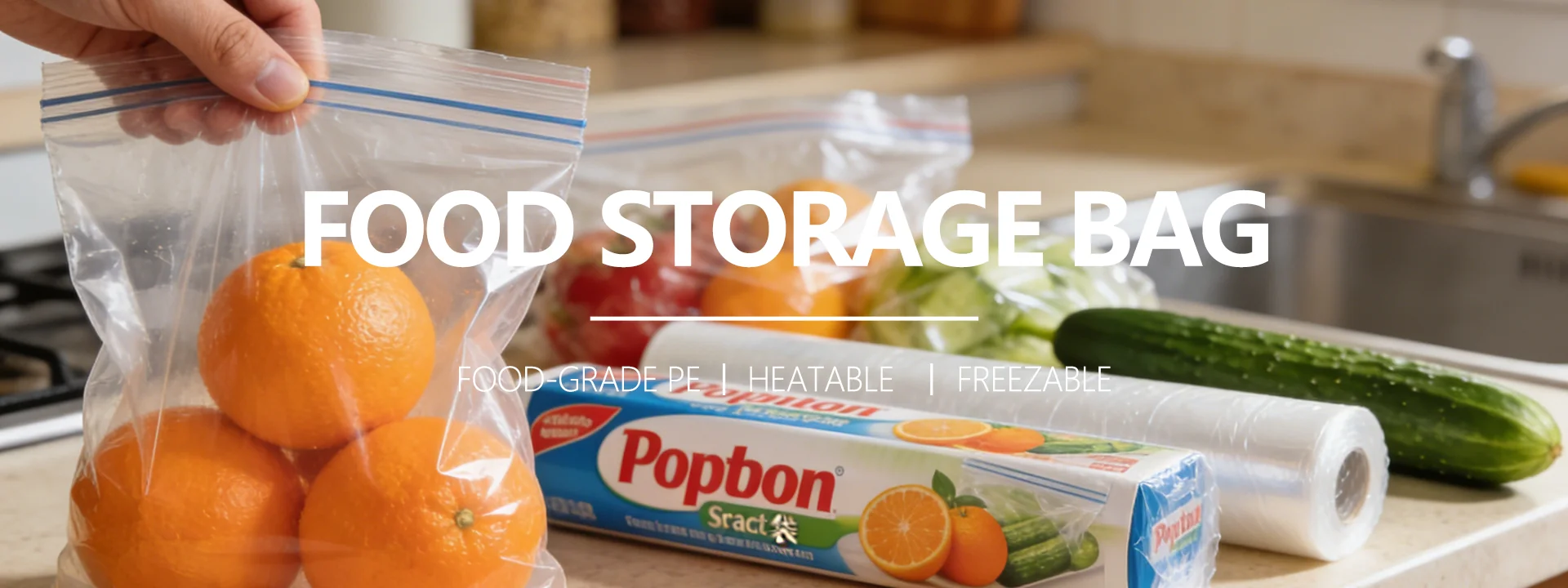
In daily household life, food preservation is a challenge every family faces. As the two most commonly used food packaging products, cling wrap and ziplock bags each have their own advantages, and using them together can achieve the best preservation results.
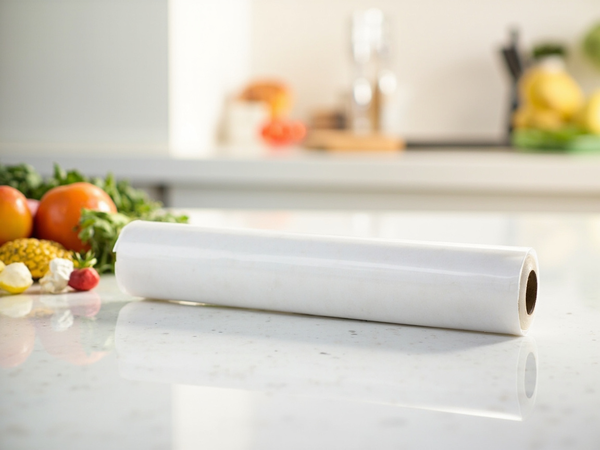
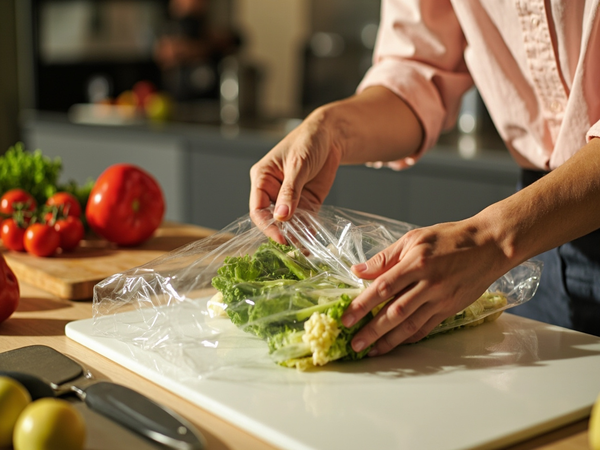
Cling wrap offers excellent sealing performance and surface-conforming ability, making it ideal for covering bowls, plates, and other containers. It tightly adheres to the surface of food ingredients, effectively preventing air from entering, and is particularly suitable for preserving leftover food and covering cut fruit surfaces. When microwaving, choosing cling wrap with a microwave-safe label ensures safe heating operations.
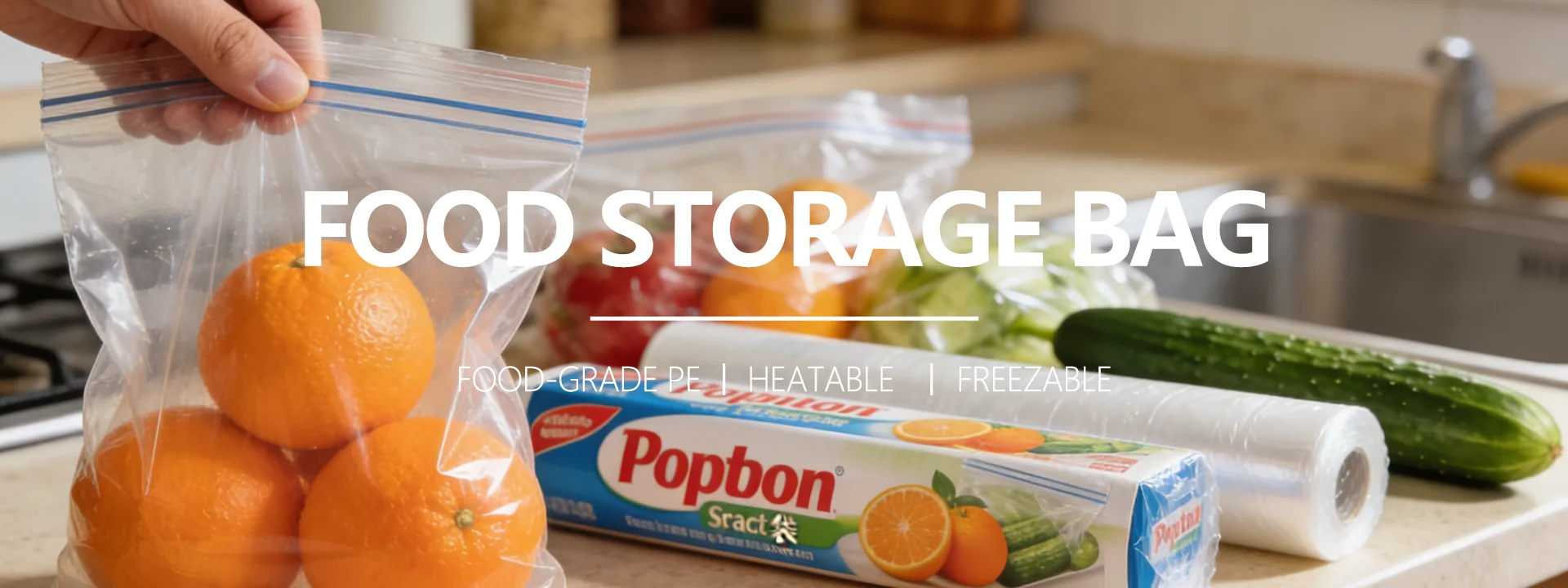
Ziplock bags are suitable for foods that need individual packaging or need to be carried outside the home. Their zip-seal design ensures the inside of the bag remains relatively sealed, making them ideal for portioning and storing meat, seafood, and other ingredients that require isolation from air and moisture. Ziplock bags can also be reused after washing, making them economical and environmentally friendly.
The optimal combination principle for the two is: use cling wrap to cover containers holding liquid or semi-liquid foods; pack solid ingredients into ziplock bags by category; choose dedicated cling wrap for microwave heating; prioritize ziplock bags when carrying food outdoors.
It is worth noting that whether using cling wrap or ziplock bags, food-grade materials should be chosen. Quality cling wrap should have excellent stretch performance and transparency, while quality ziplock bags should have flat, intact sealing strips to ensure effective sealing.
Baodafor's food-grade PE cling wrap and reusable ziplock bags, made from high-quality raw materials and compliant with national food safety standards, are reliable choices for household food preservation.