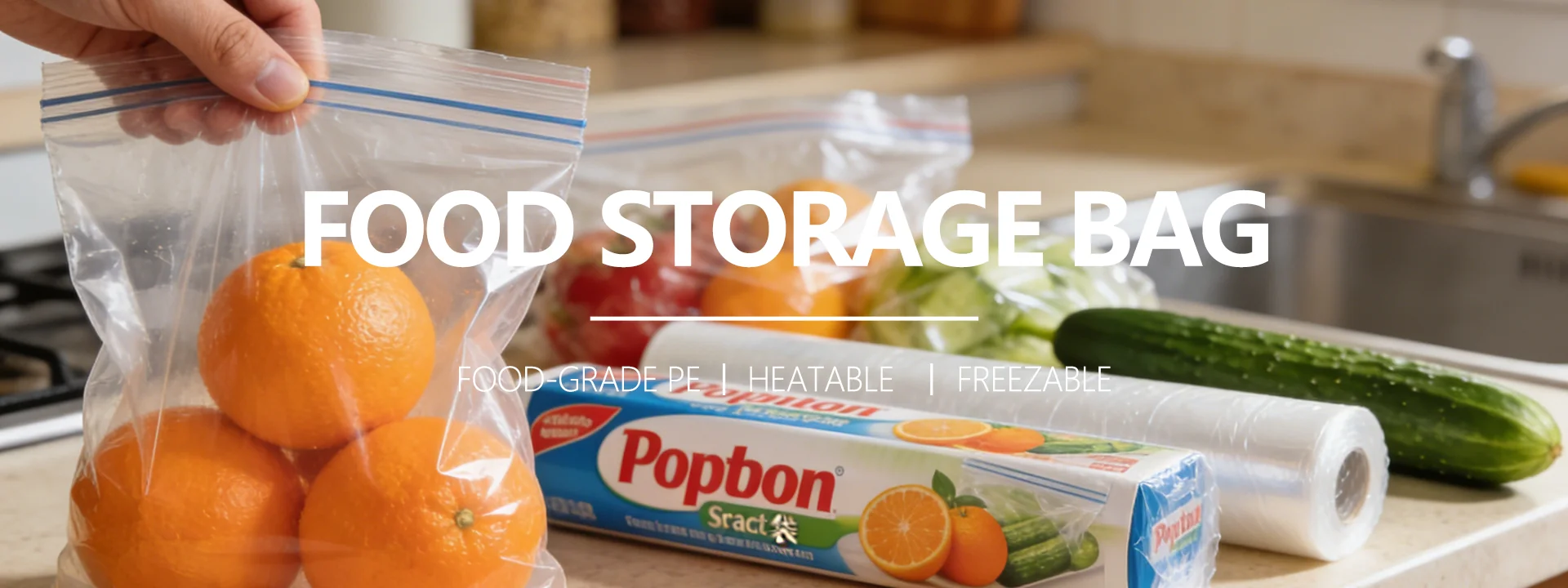
Vegetable preservation is a daily challenge for every household. With increasingly busy lifestyles, consumers are seeking effective solutions to keep produce fresh longer. Ziplock bags have emerged as a convenient and reliable option for home kitchen storage.
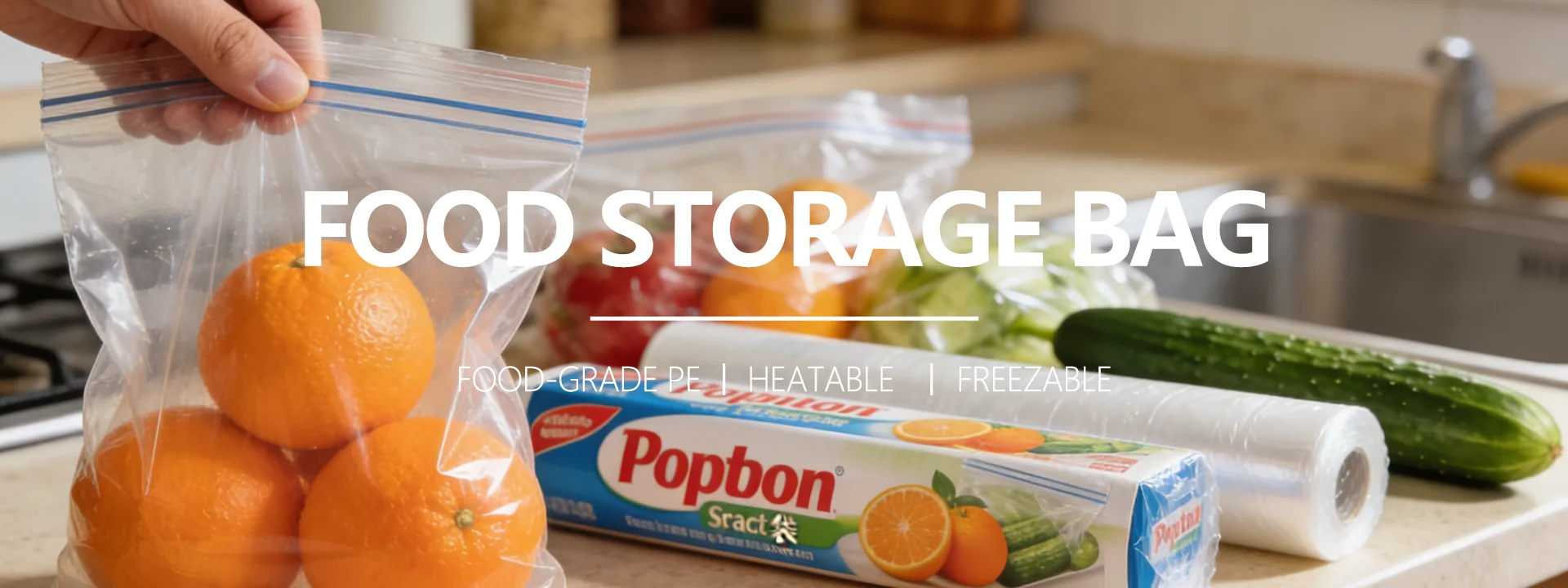
The key advantage of ziplock bags lies in their superior sealing capability. Unlike ordinary food storage bags, ziplock bags feature a dual-track closure system that effectively prevents air and moisture from entering the bag. This design is particularly suitable for storing pre-washed but uncooked vegetables such as lettuce, spinach, and broccoli.
Laboratory tests show that vegetables stored in ziplock bags remain fresh 2-3 days longer than those stored uncovered under identical conditions. This improvement is attributed to several factors:
- Reduced moisture evaporation, maintaining vegetable hydration
- Barrier against airborne bacteria and contaminants
- Prevention of physical damage from crushing or bruising
- Easy date labeling for freshness tracking
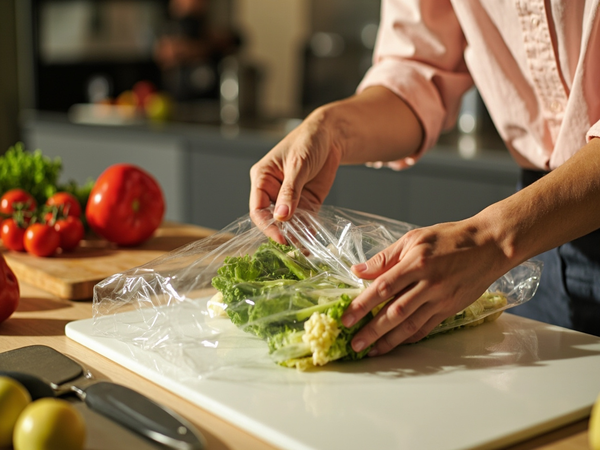
When using ziplock bags for vegetable storage, it is recommended to pat vegetables dry before packaging to prevent excess moisture that could promote bacterial growth. Removing excess air from the bag maximizes the preservation effect. Different vegetable types may require specific approaches: root vegetables are best stored whole, while leafy greens should be washed, drained, and then packaged.
Baodafor, a professional food-grade packaging manufacturer, produces ziplock bags using food-safe raw materials that comply with national safety standards, making them an ideal choice for everyday home preservation needs.