The Science Behind Ziplock Bags in Frozen Food Preservation and Their Daily Applications
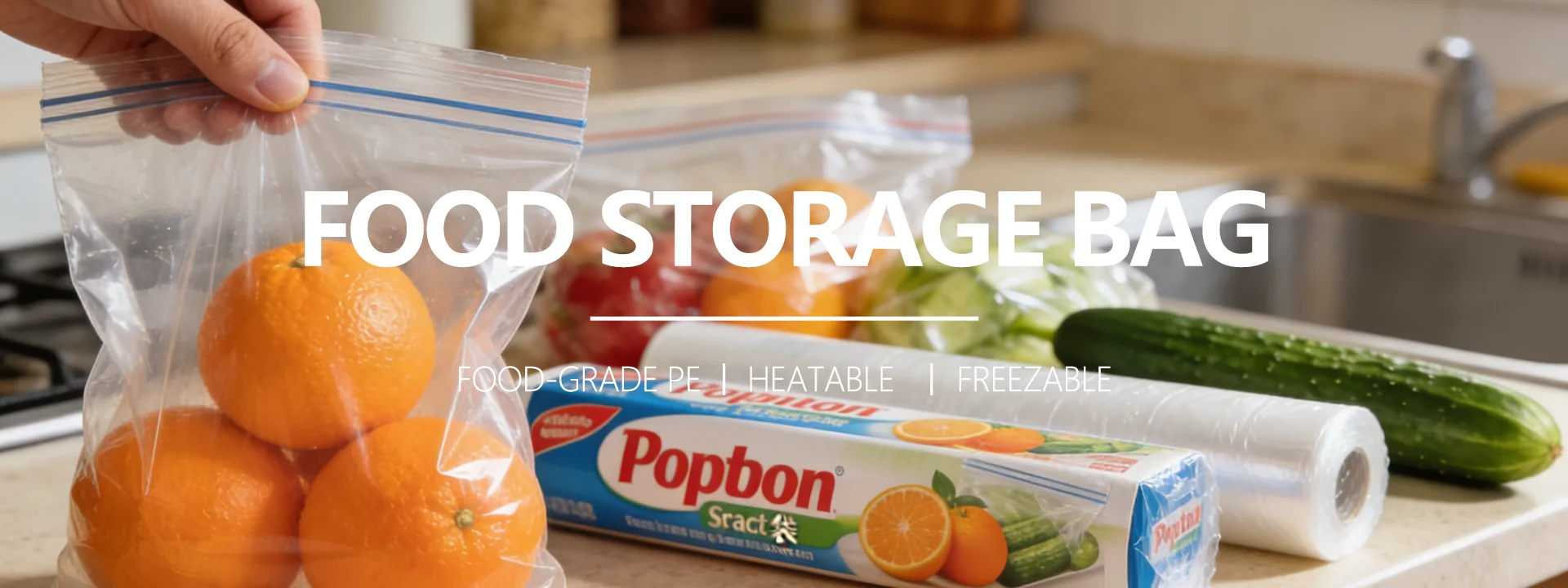
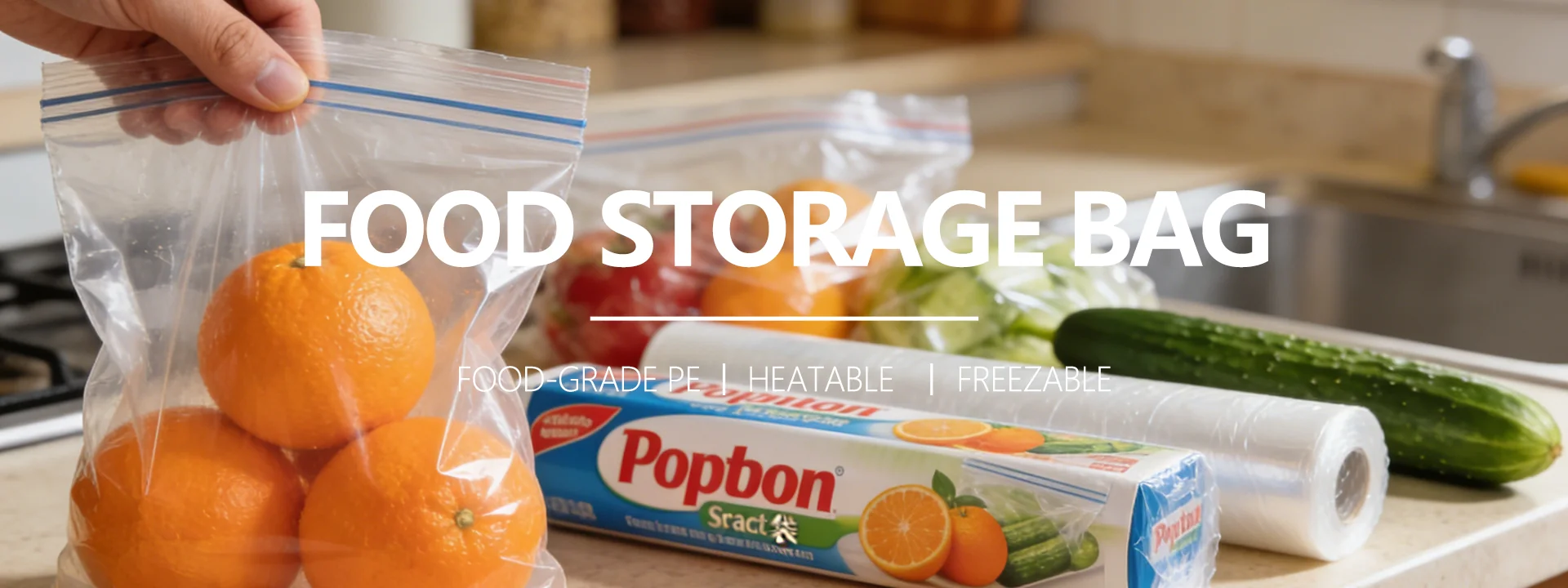
Freezing is one of the most common food preservation methods in household kitchen management, and ziplock bags, as a staple tool for frozen storage, have a rich scientific foundation behind their design. Understanding these principles can help consumers use ziplock bags more effectively and improve food preservation quality.
From a materials science perspective, ziplock bags are primarily made from polyethylene (PE) or nylon composite materials. PE material exhibits excellent low-temperature resistance, maintaining flexibility at freezing temperatures ranging from -20 to -40 degrees Celsius without becoming brittle like ordinary plastics. Nylon composite ziplock bags offer superior barrier properties, effectively preventing freezer burn and reducing quality degradation caused by ice crystal sublimation.
The double-seal design of ziplock bags creates a tight airtight environment through air pressure principles. When air is expelled from the bag, the negative pressure state makes the sealing strips fit more closely together, further enhancing the sealing effect. This design not only prevents cold air leakage and outside air infiltration but also effectively prevents food odor transfer, maintaining the original flavor of food.
In daily applications, there are also key techniques for using ziplock bags for frozen food storage. First, it is recommended to place food flat inside the bag and expel as much air as possible before sealing. For liquid foods, sufficient expansion space should be reserved to avoid bag rupture during freezing. Additionally, placing ziplock bags horizontally rather than upright allows for more even cold air distribution and improves freezing efficiency.
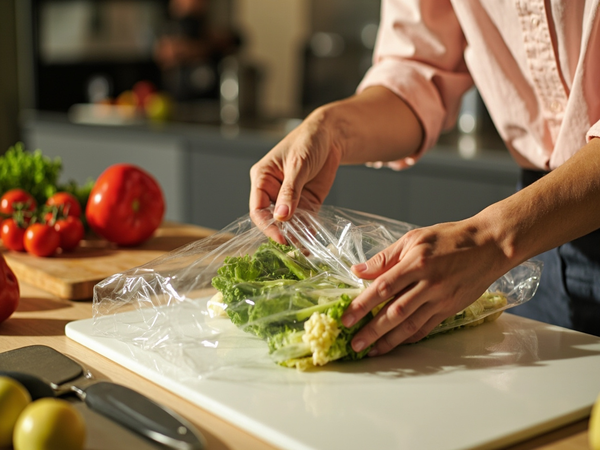
Beyond traditional frozen preservation, ziplock bags have more creative uses in food storage. For example, dividing spices into portions and freezing them can extend their shelf life while remaining convenient to use. Pre-cutting and mixing vegetables into bags allows for direct cooking after thawing, significantly reducing prep time in the kitchen.
As a food-grade packaging product, Baodafor ziplock bags strictly comply with national food safety standards, using food-contact-grade raw materials to ensure no harmful substances migrate into food under various temperature conditions, providing a safe and reliable choice for household food management.