In home baking and professional kitchens, baking paper and silicone paper are both essential tools. Although they appear similar, they differ significantly in material properties, suitable scenarios, and service life. Understanding these differences helps consumers and baking professionals make smarter purchasing decisions.
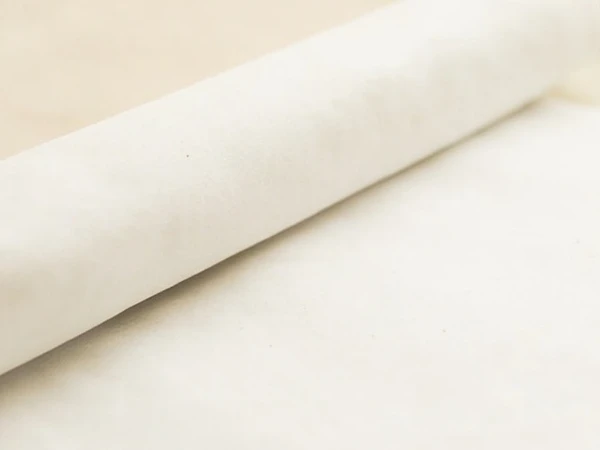
Baking paper, also known as烤纸, is typically made from pure wood pulp through sulfate bleaching, with a thin layer of silicone oil coating that provides excellent non-stick properties. This material is heat-resistant, usually tolerating temperatures of 220°C to 230°C, making it suitable for cookies, cake rolls, and other foods that don't require prolonged high-temperature baking. Baking paper is mostly single-use, as its non-stick performance noticeably declines after repeated use.
Silicone paper is essentially an upgraded version of baking paper with thicker construction and more uniform silicone coating, resulting in higher durability. Silicone paper can withstand temperatures of 240°C or even higher, making it ideal for delicate pastries like macarons and mooncakes that require long-duration high-temperature baking. Due to its superior heat resistance, silicone paper is also commonly used for pizzas and European-style breads that require flip-side baking.
When choosing between them, home baking enthusiasts who primarily make ordinary cookies and cake rolls can meet their daily needs with regular baking paper, which offers better cost-effectiveness. For users pursuing baking quality and frequently making macarons or European-style breads, silicone paper is recommended—its superior non-stick and heat-resistant properties effectively protect food integrity and reduce baking failure rates.
It is worth noting that some low-priced baking papers on the market may use inferior raw materials or contain fluorescent whitening agents, posing potential safety risks when in prolonged food contact. Baodafor food-grade baking paper is produced using food-contact-grade raw materials, passes relevant food safety inspections, and contains no fluorescent agents or harmful chemicals, providing safe and reliable options for home bakers and catering professionals.
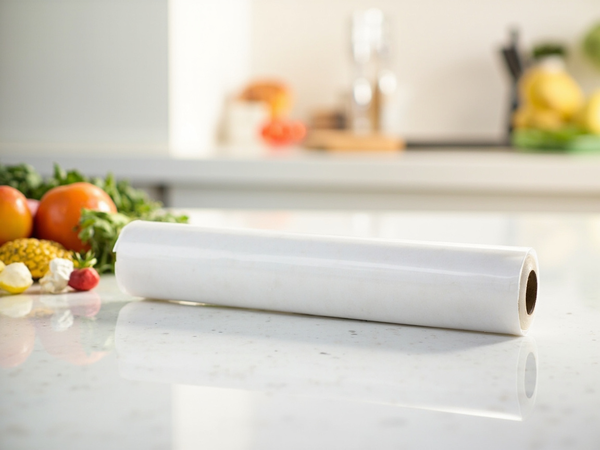
Additionally, proper storage methods can extend the service life of baking paper. It is recommended to store baking paper in a dry and ventilated area to prevent moisture from affecting its non-stick performance. For an opened whole roll of baking paper, seal it after use to prevent moisture in the air from reducing the effectiveness of the silicone layer.