Cling wrap is one of the most commonly used food preservation tools in home kitchens, yet many people fail to maximize its effectiveness. Mastering the proper usage techniques can not only extend food freshness but also reduce waste.
Tip 1: Cool Food Before Covering Covering hot dishes with cling wrap causes water vapor to condense, which promotes bacterial growth. It is recommended to let dishes cool completely to room temperature before covering them with cling wrap and placing them in the refrigerator.
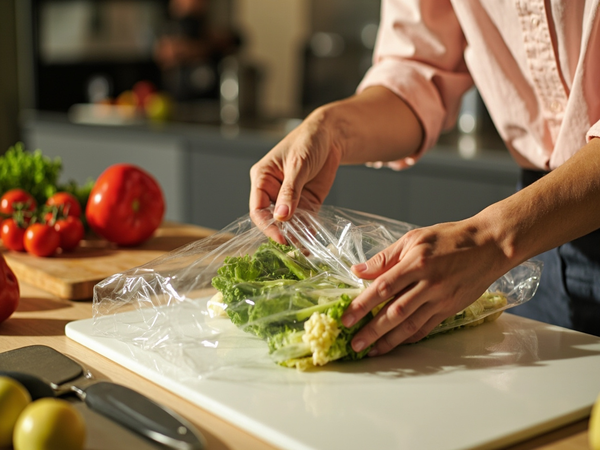
Tip 2: Maintain Proper Distance Between Wrap and Food When covering food, the cling wrap should not be pressed tightly against the food surface. Leave a gap of about 1-2 centimeters to allow cold air circulation and improve preservation results.
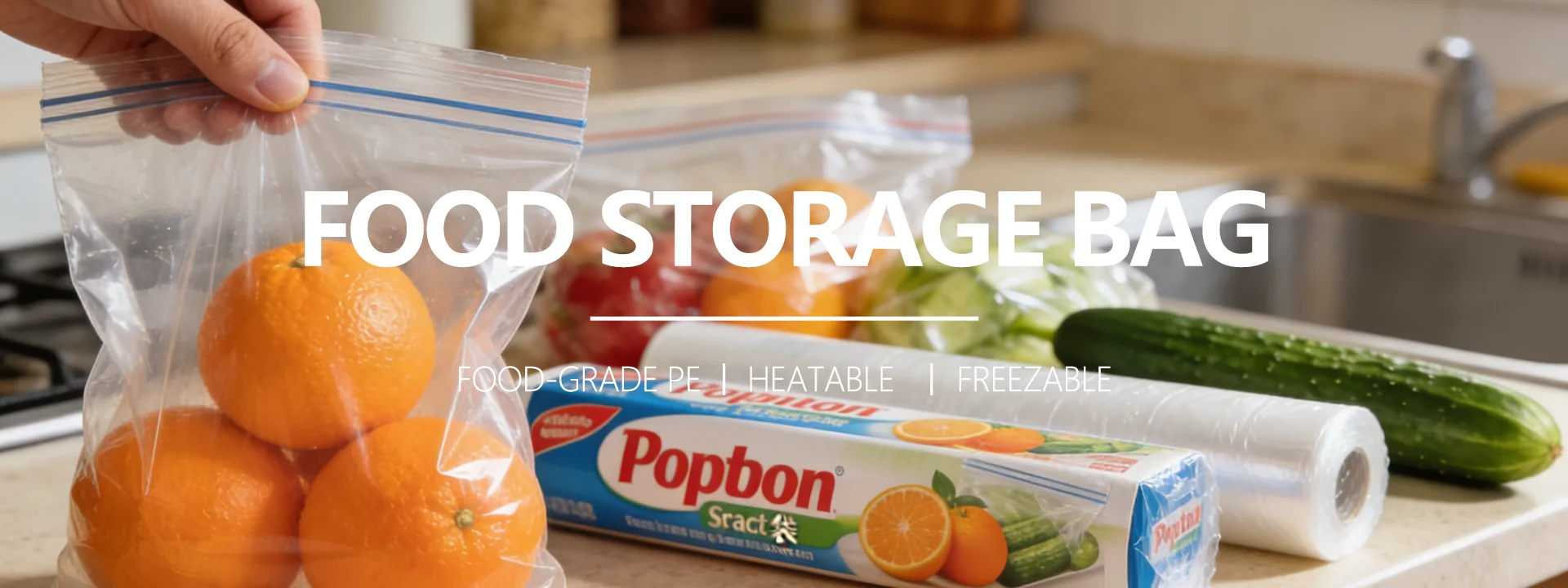
Tip 3: Store Raw and Cooked Foods Separately Raw meat, seafood, and other raw foods should be sealed individually in ziplock bags before refrigerating. Cling wrap is mainly suitable for short-term preservation of cooked foods, vegetables, and fruits.
Tip 4: Use a Metal Knife for Cleaner Cuts After wrapping food with cling wrap, use a clean metal knife to cut along the edge of the film. This produces a cleaner seal than tearing by hand, providing better airtightness.
Tip 5: Distinguish Between Refrigeration and Freezing Short-term refrigeration (1-3 days) is suitable for cling wrap; for long-term storage, it is recommended to use ziplock bags or aluminum foil to prevent freezer burn and odor transfer.
Tip 6: Cling Wrap Has an Expiration Date After opening, cling wrap is recommended for use within 6 months. Long-term exposure to air will reduce its adhesiveness and sealing performance.
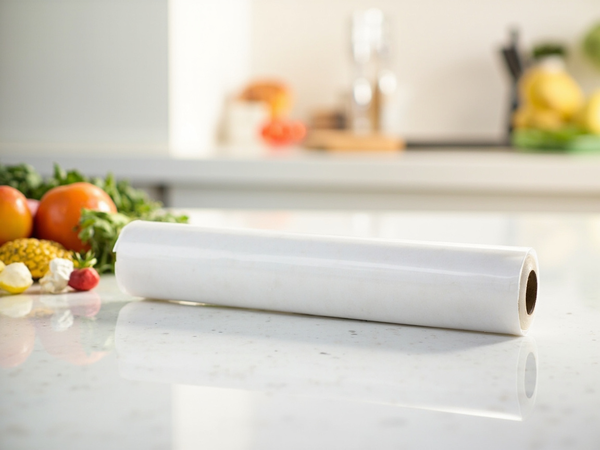
Baodafor food-grade PE cling wrap is made from high-quality raw materials, meeting national food safety standards. It is suitable for various scenarios including home kitchens, cold chain logistics, and restaurant operations, providing reliable protection for your ingredients.