Frequently Asked Questions
Find answers to common questions about our products and services
Can ziplock bags be used in microwave?
Yes, most ziplock bags are microwave-safe when used correctly. Remove as much air as possible before heating. Do not use ziplock bags in conventional ovens. FDA-approved PE materials are safe for microwave use up to 425°F (218°C).
Are ziplock bags reusable?
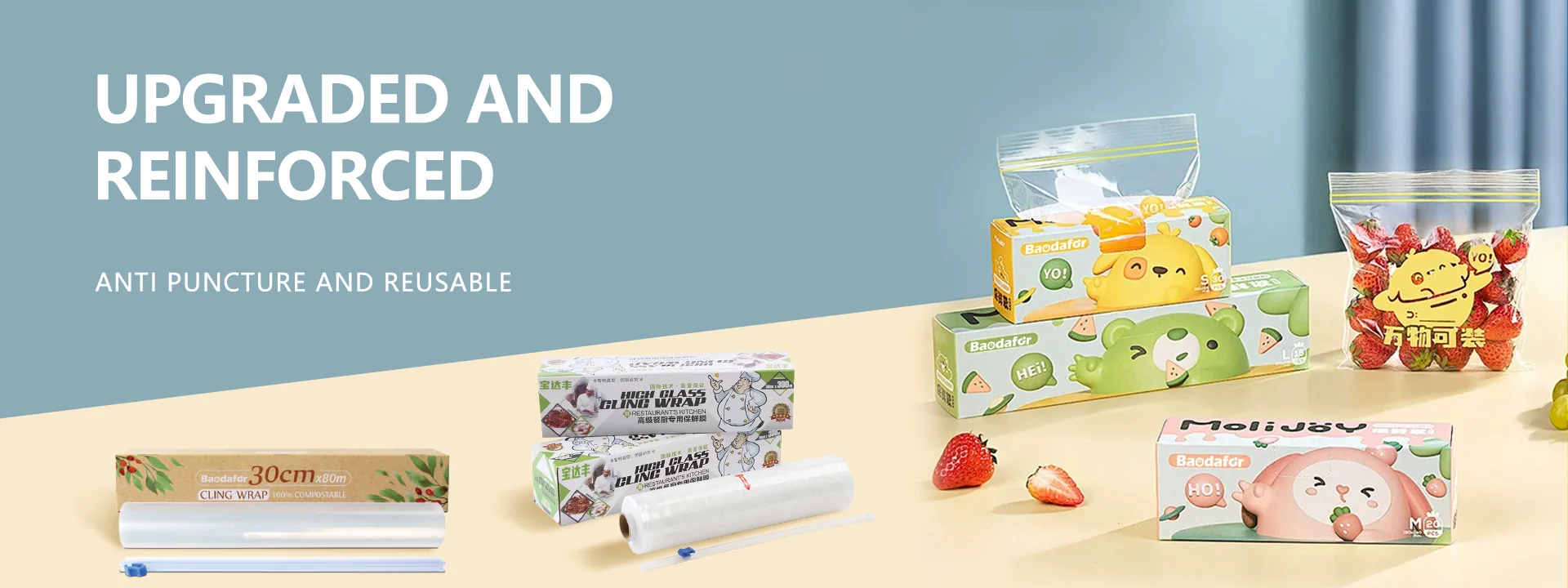
Yes, quality ziplock bags can be reused multiple times if cleaned properly. Hand wash with warm soapy water or place in dishwasher top rack. Replace when signs of wear, punctures, or discoloration appear.
How long do ziplock bags maintain their seal?
Quality ziplock bags maintain an airtight seal for several years when stored properly. The seal may weaken over time with repeated use. Store in a cool, dry place away from direct sunlight for best results.
What foods can be stored in ziplock bags?
Ziplock bags are ideal for storing fruits, vegetables, meats, poultry, fish, snacks, leftovers, and dry goods. They are also great for marinating meats and organizing small items like jewelry or cosmetics for travel.
Can ziplock bags go in the freezer?
Yes, ziplock bags are freezer-safe. Remove excess air before freezing to prevent freezer burn. Use freezer-grade bags for best results. Suitable for temperatures down to -40°F (-40°C).
What is the difference between PE and PVC cling film?
PE (Polyethylene) cling film is food-grade, environmentally friendlier, and microwave-safe. PVC (Polyvinyl Chloride) contains plasticizers (DEHP) and is not recommended for food contact. PE is the safer and more recommended choice for food storage.
Can PE cling film be used in microwave?
Yes, PE cling film is microwave-safe. Leave one corner open to allow steam to escape. Do not let cling film touch the food directly at high temperatures. Safe up to approximately 425°F (218°C).
Can aluminum foil be used in microwave oven?
No, aluminum foil should NOT be used in microwave ovens as it can cause arcing and fire hazards. However, aluminum foil is safe for conventional ovens up to 450°F (230°C) and perfect for BBQ grilling.
What are the main uses of aluminum foil?
Aluminum foil is versatile: food wrapping, BBQ grilling, baking sheets lining, oven cooking, freezer storage, and heat reflection. Its excellent barrier properties protect food from light, moisture, and odors.
Should aluminum foil shiny side be in or out?
For most cooking applications, it does not matter which side is facing out. However, for increased reflectivity (like reflecting heat on grill), place the shiny side facing out. The dull side grips better when wrapping.
Can aluminum foil be reused?
Aluminum foil can be reused if cleaned and dried properly, though hygiene concerns exist for food use. For cooking applications, reuse is possible if the foil is not torn or heavily soiled. Consider environmental impact and use reusable containers when possible.
Can aluminum foil be used in conventional oven?
Yes, aluminum foil is safe in conventional ovens up to 450°F (230°C). Do not let foil touch oven walls or heating elements. Never use foil in microwave ovens.
What temperature can baking paper withstand?
Baking paper (parchment paper) can typically withstand temperatures up to 420-450°F (215-230°C). Silicone-coated baking paper has higher heat resistance up to 480°F (250°C). Always check packaging for specific temperature limits.
Is baking paper single-use?
While called single-use, baking paper can often be reused 2-3 times depending on the type of food prepared. Waxy foods like butter cookies leave more residue than dry items. Replace when surface becomes worn, greasy, or discolored.
Can baking paper be used in air fryers?
Yes, most baking papers can be used in air fryers at temperatures up to 400°F (200°C). Ensure the paper does not touch the heating element and cut to appropriate size with holes for air circulation. Weight it down to prevent flying.
Baking paper vs parchment paper - are they the same?
Yes, baking paper and parchment paper are essentially the same product, also called baking parchment. Both are paper coated with silicone for non-stick properties. The terms are used interchangeably in most regions.
Do I need to grease baking paper?
No, one side of baking paper is already silicone-coated, making it naturally non-stick. No additional greasing is required for most baking applications. Exception: when baking very fatty foods or when specific recipes call for it.
What are the advantages of ziplock bags?
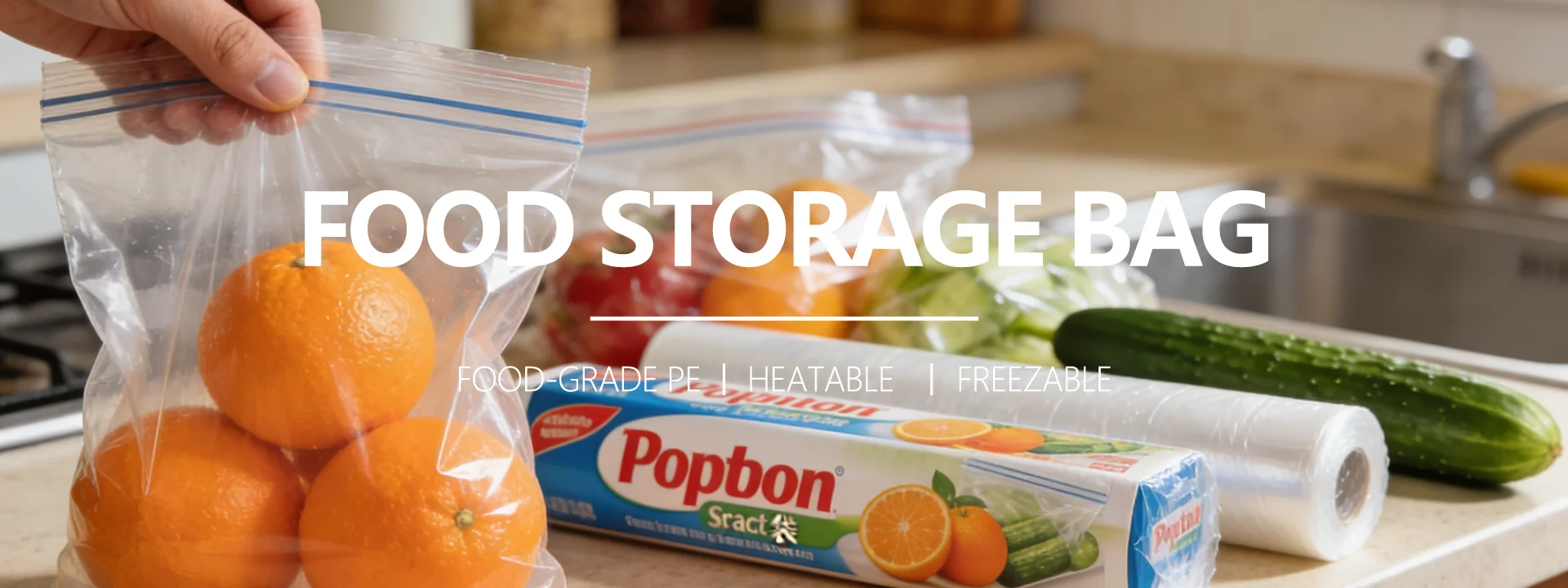
Ziplock bags offer airtight seal, leak-proof storage, freezer safe, microwave safe, reusable, lightweight, transparent for easy identification, and available in various sizes for different applications.
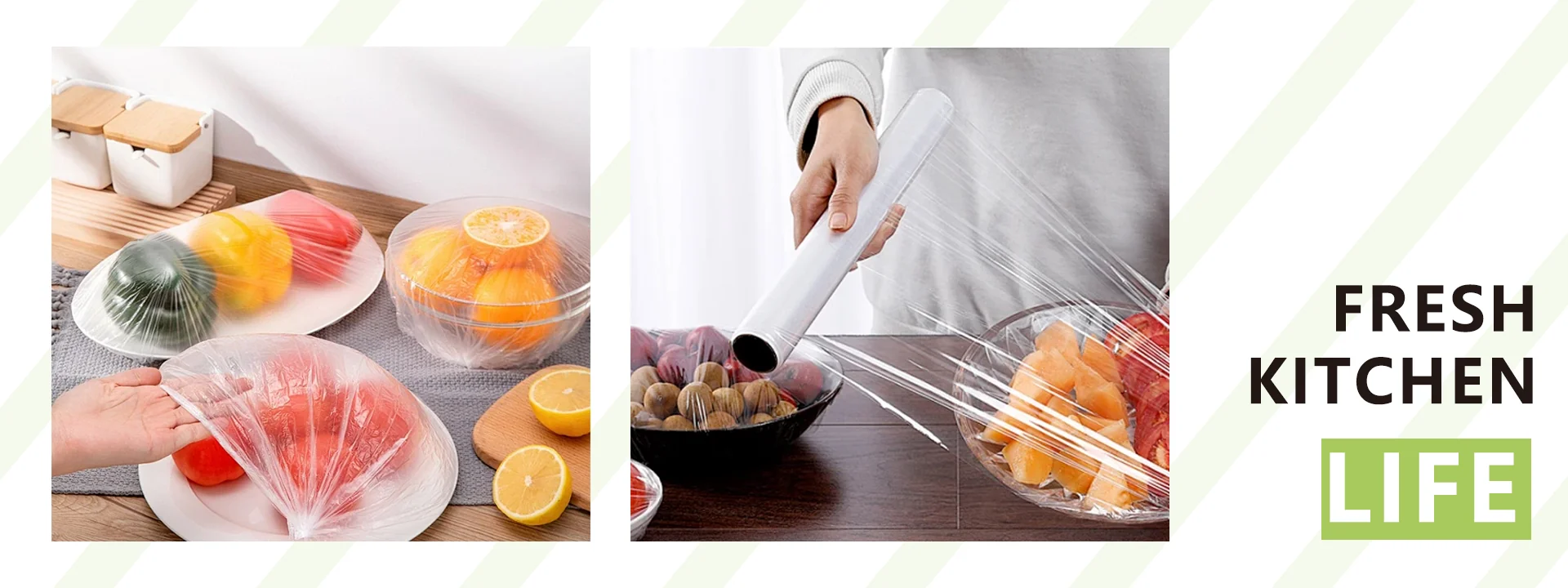
How to wrap cling film correctly?
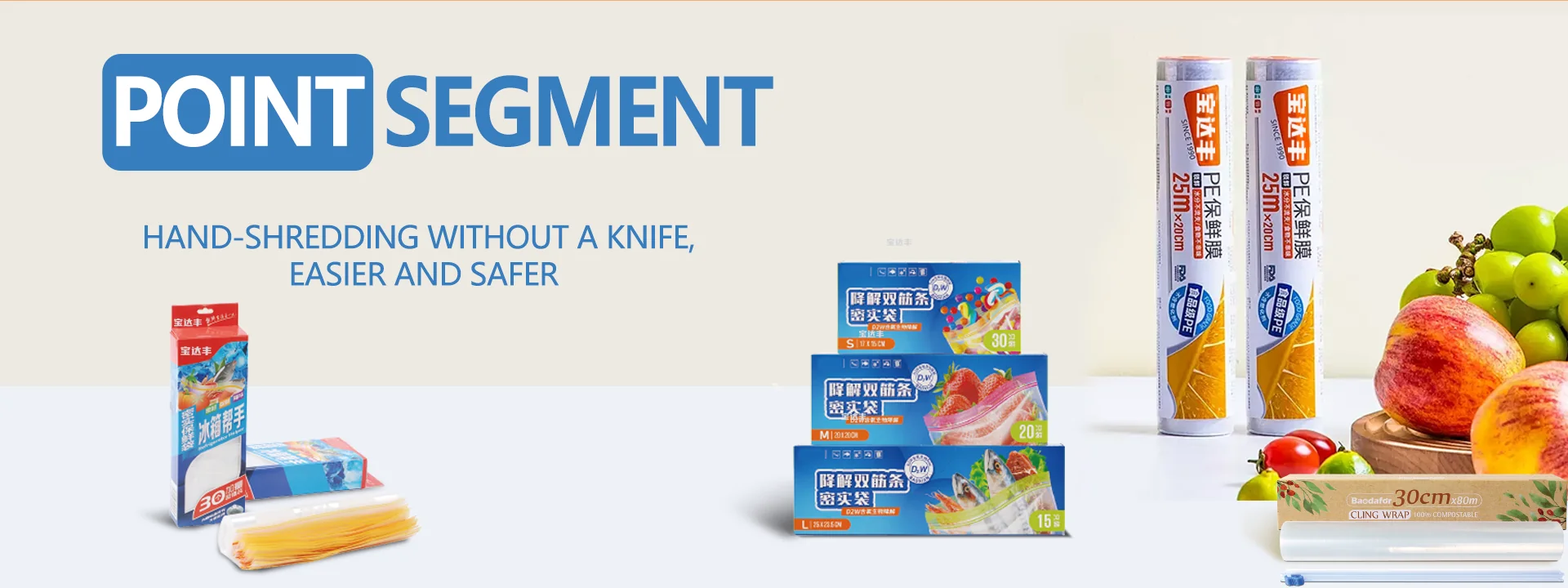
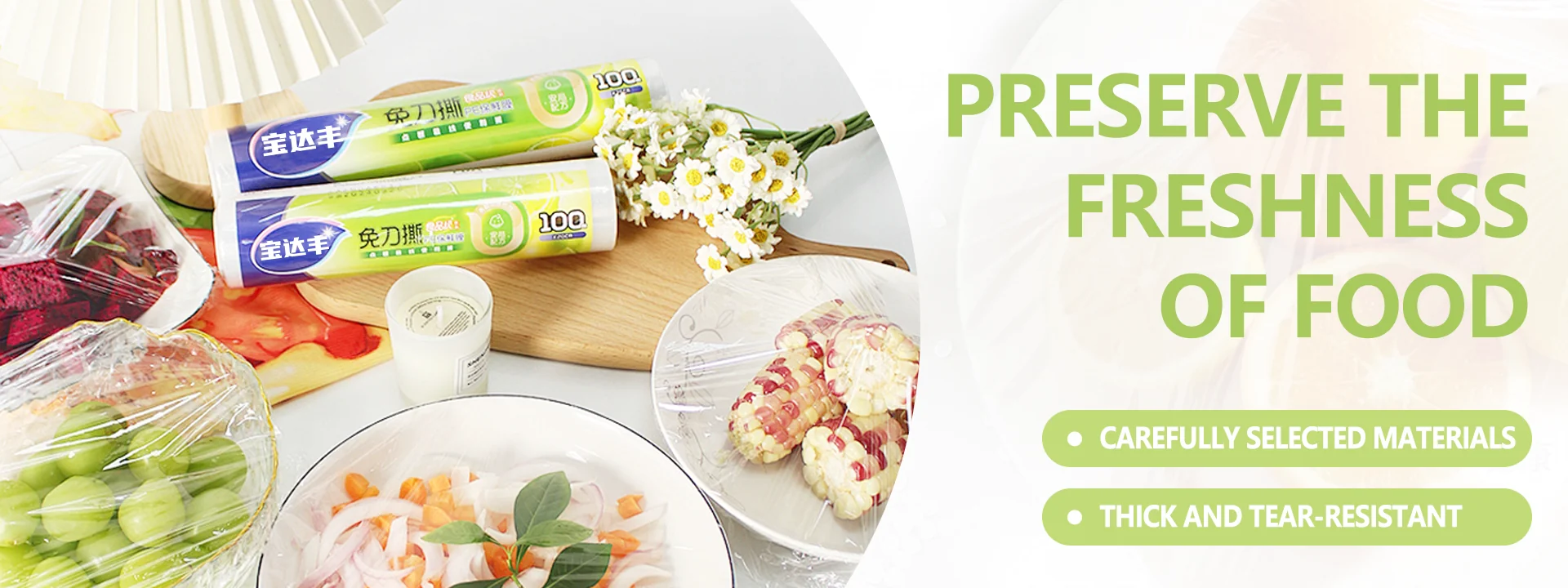
For best freshness, stretch the cling film tightly over the container with no gaps. Overlap edges by at least 1 inch. For microwave use, leave one corner open to allow steam to escape. For refrigerator, ensure tight seal for optimal freshness.
Can PE cling film be used in fridge and freezer?
Yes, PE cling film is safe for both refrigerator and freezer use. In freezer, it provides an extra barrier against freezer burn. For best results, use heavy-duty freezer wrap or bags for long-term freezer storage.