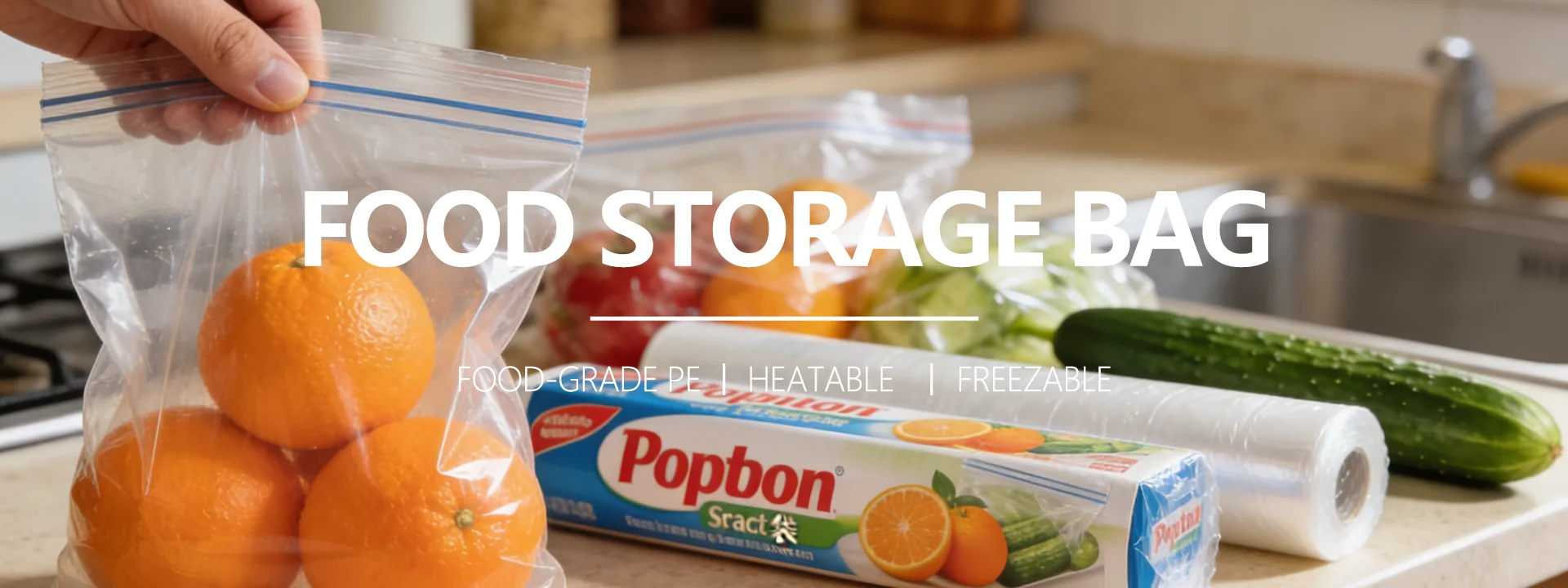
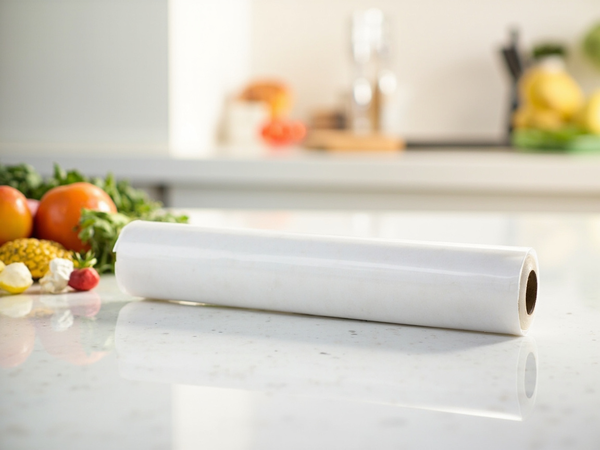
PE cling wrap is a common food packaging material in our daily life, widely used in home kitchens, catering establishments, and food processing enterprises. Proper use of cling wrap not only effectively extends food shelf life but also avoids potential health risks.
How to Use PE Cling Wrap Correctly
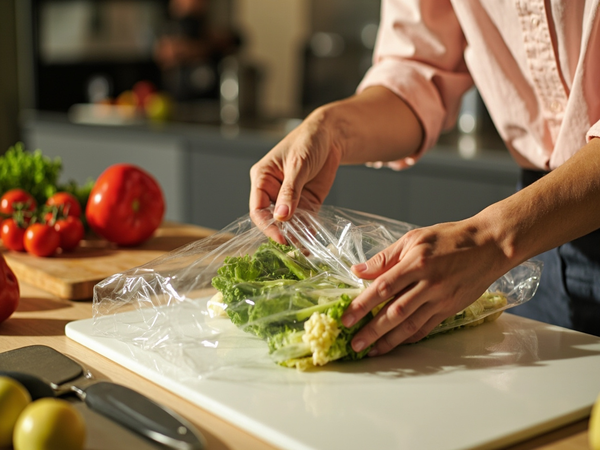
First, before using cling wrap, ensure the food surface is dry and clean. Moisture increases the risk of bacterial growth and reduces preservation effectiveness. Second, when wrapping, leave appropriate ventilation holes to help regulate humidity inside the packaging and prevent food from spoiling due to lack of oxygen. For fatty foods such as meat and fried foods, it is recommended to cool them down before covering with cling wrap to avoid high-temperature plasticizer migration.
Key Points for Choosing Quality PE Cling Wrap
Quality PE cling wrap from reputable brands usually displays "food-grade" or "PE" material labels. Premium cling wrap should have good toughness and transparency, and not break easily when stretched. Consumers can judge product quality through a simple light transmission test—quality cling wrap should have a light transmittance rate above 90%. Additionally, check whether the product is marked with the manufacturer's name, execution standards, and production date to ensure purchasing from legitimate channels.
Usage Precautions for PE Cling Wrap
Although PE material itself is relatively safe, not all PE cling wrap is suitable for microwave heating. If you need to heat food, choose products clearly labeled as microwave-safe. Furthermore, avoid prolonged contact between cling wrap and high-fat, high-sugar foods to reduce potential harmful substance migration. With proper use and storage, PE cling wrap can bring great convenience to our daily lives.