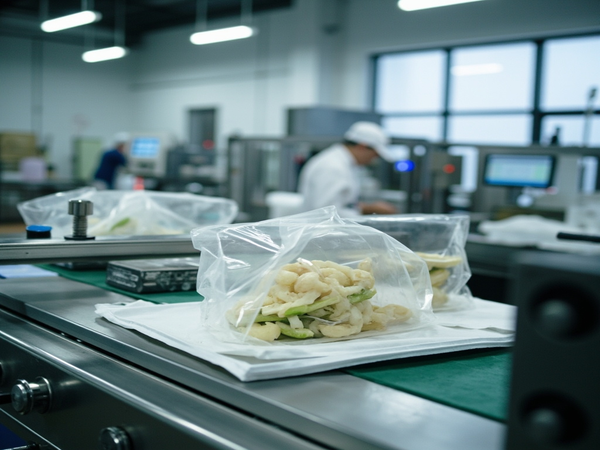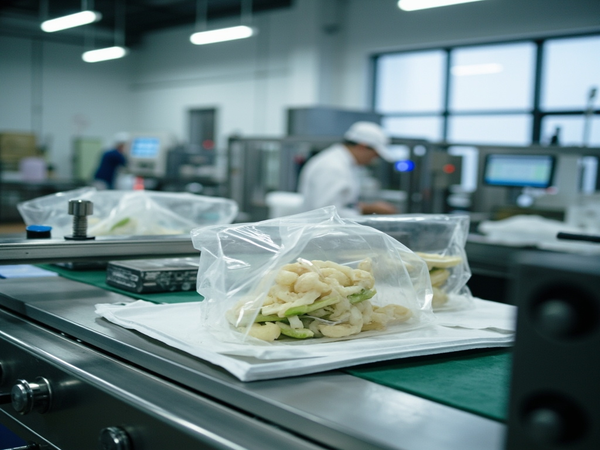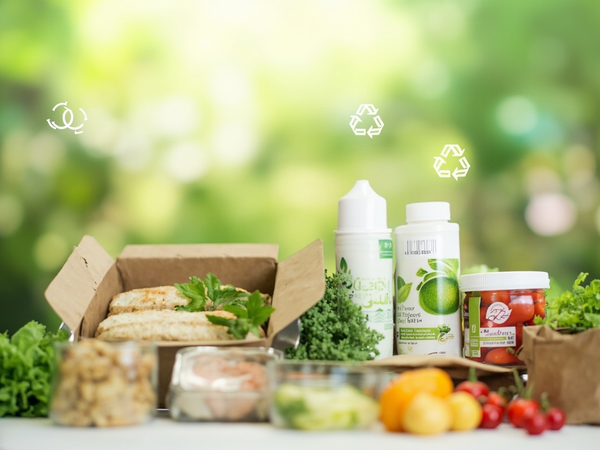
As global environmental awareness continues to rise, the food packaging industry is undergoing a profound material revolution. Traditional plastic packaging faces mounting environmental pressure, making sustainable alternative materials the new direction for industry development.
Bio-Based Materials Surge
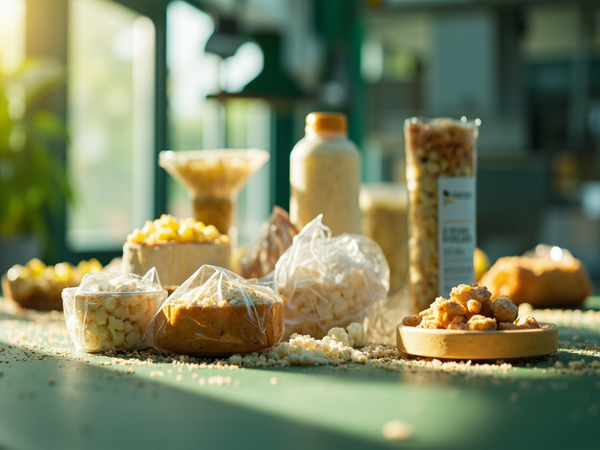
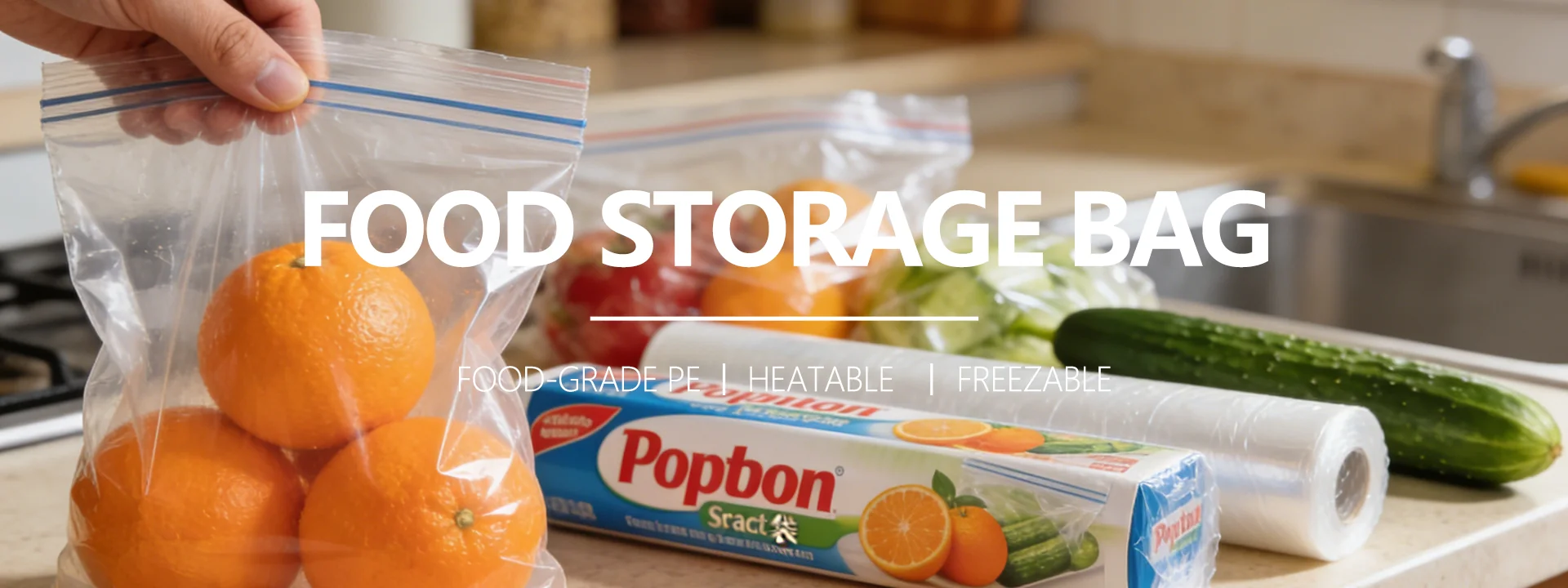
Bio-based plastics made from corn and sugarcane are rapidly gaining traction in the food packaging sector. These materials offer excellent biodegradability, decomposing completely under specific conditions with significantly lower environmental impact than conventional plastics. Currently, bio-based cling wrap and biodegradable ziplock bags have entered mainstream retail channels.
Recycling Trends Gain Momentum
Food-grade recycled plastic applications have achieved technological breakthroughs. Through advanced sorting and purification processes, recycled plastics now perform nearly as well as virgin materials while substantially reducing carbon emissions. The EU and other regions have set clear requirements for recycled material percentages in packaging, and this trend is expected to expand globally.
Paper Packaging Makes a Comeback
Improved water-resistant and oil-resistant paper-based materials have revived interest in paper packaging for food applications. From takeout containers to bakery products, paper packaging is reclaiming market share from plastics, thanks to its recyclability and eco-friendly image.
Industry Outlook
Industry analysts project that by 2030, sustainable packaging materials could capture more than 50% of the market share, surpassing traditional plastics. For food packaging companies, early investment in environmentally friendly material research will provide a competitive advantage in the future.
Baodafor maintains close attention to industry environmental trends and is committed to providing customers with safer and more eco-friendly food-grade packaging solutions.