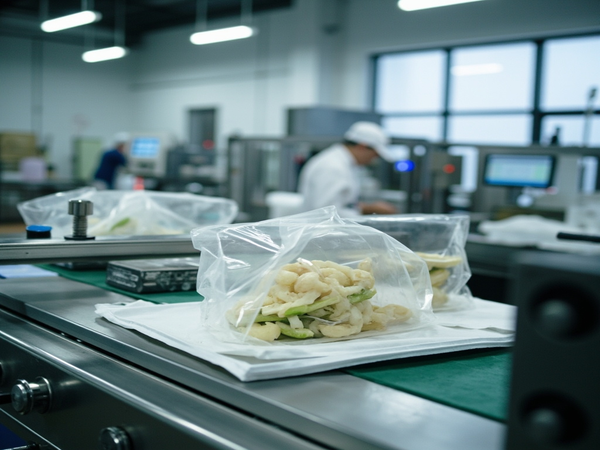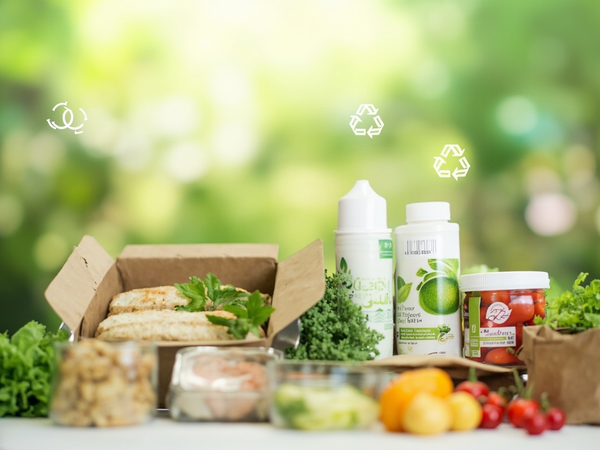
As global environmental awareness continues to rise, the food packaging industry is undergoing a green transformation. Traditional petroleum-based plastic packaging, which is difficult to degrade and pollutes the environment, is facing increasing regulatory pressure and market challenges. In this context, bio-based packaging materials, with their unique advantages of renewability and degradability, are gradually becoming a new direction for industry development.
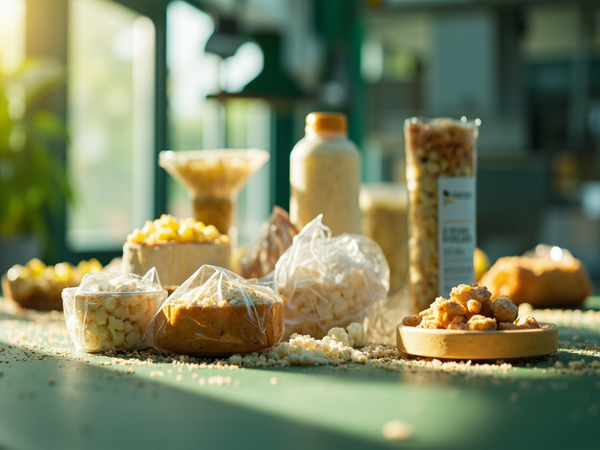
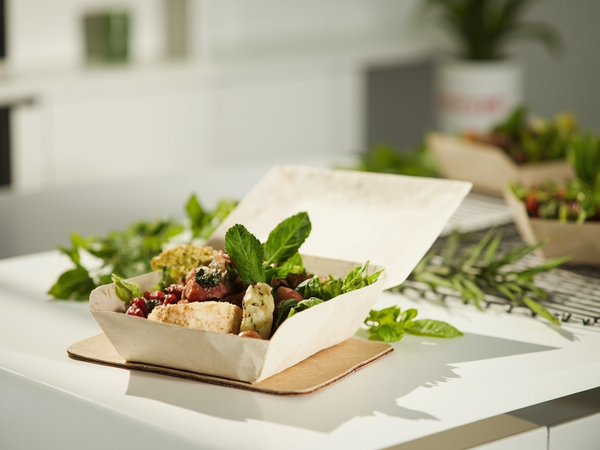
Bio-based materials are mainly derived from renewable resources such as plant fibers, starch, and PLA (polylactic acid). Compared with traditional plastics, these materials can degrade quickly in the natural environment, effectively reducing white pollution. Currently, many food companies in Europe, North America, and other regions have announced plans to gradually phase out traditional plastic packaging and switch to bio-based alternatives.
In the domestic market, with the continuous promotion of "plastic restriction" policies and the enhancement of consumer environmental awareness, food packaging companies are also accelerating their布局 of the green track. Industry analysts believe that the market size of bio-based packaging materials will maintain double-digit growth in the next five years.
For food packaging companies, grasping the trend of sustainable development is not only about fulfilling social responsibility but also about winning future market competition.