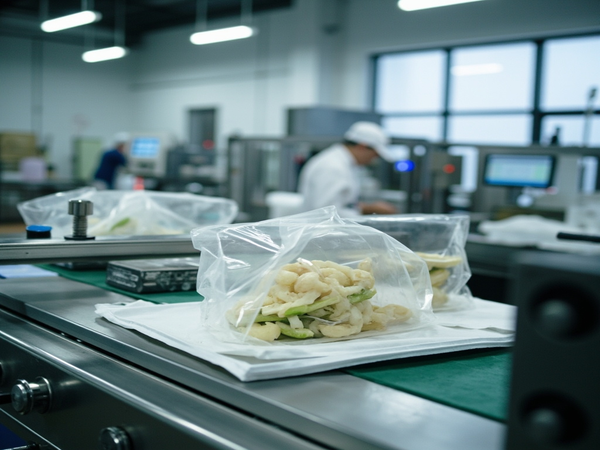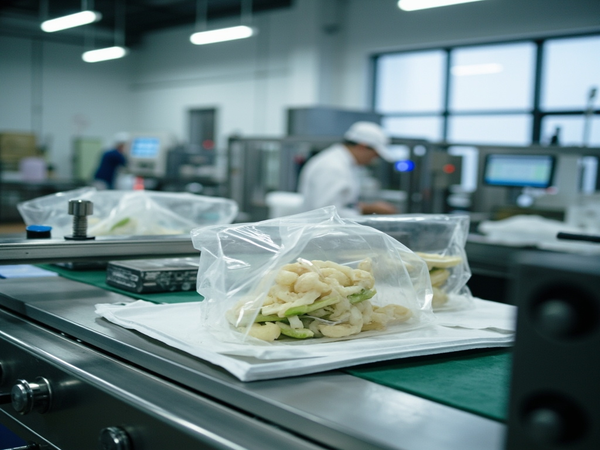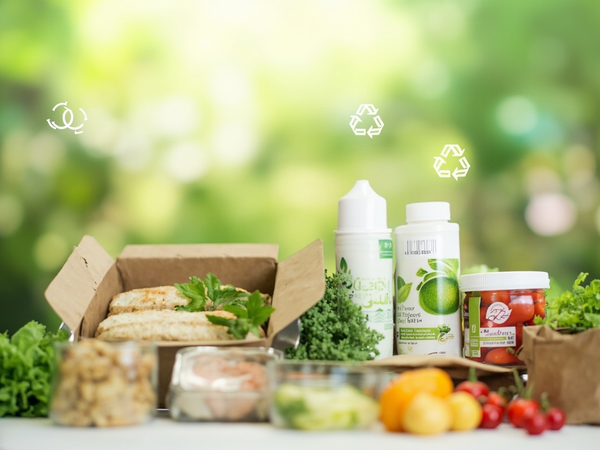

As global environmental awareness continues to grow, the food packaging industry is undergoing profound transformation. In 2026, sustainability has shifted from a "bonus" to a "must-have," with several key trends reshaping the industry landscape.
1. Bio-Based Materials Accelerating Replacement of Traditional Plastics
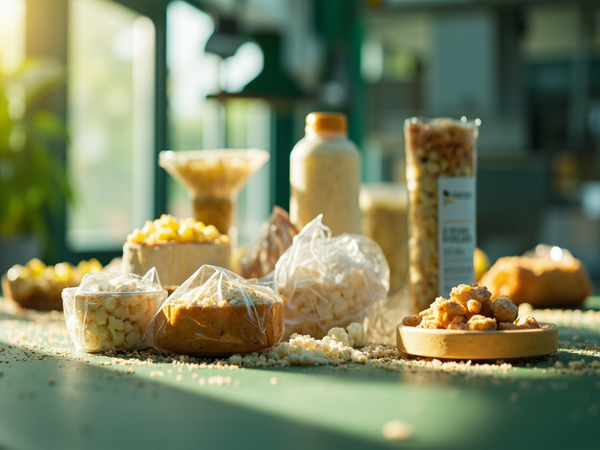
Bio-based packaging materials derived from corn starch and sugarcane are becoming technologically mature with steadily declining costs. The latest EU regulations require at least 30% bio-based materials in food packaging by 2030, driving a global supply chain transformation. Leading domestic manufacturers have begun small-batch production of PLA (polylactic acid) food packaging, with costs dropping nearly 40% compared to three years ago.
2. Mono-Material Films Emerge as the New Direction for Flexible Packaging
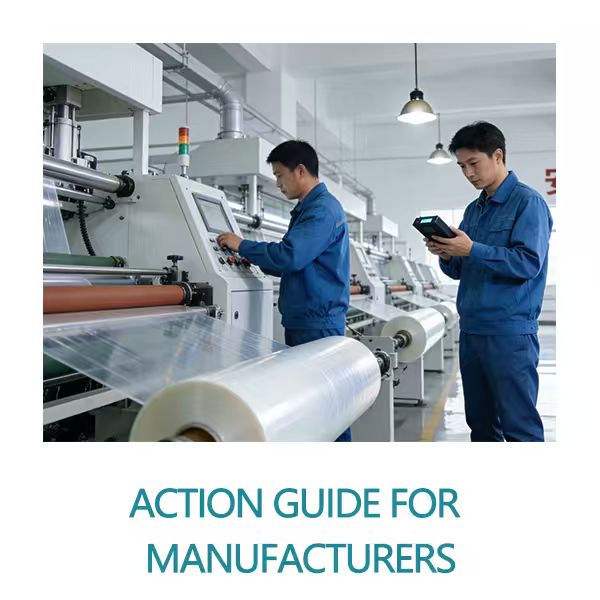
Traditional food flexible packaging typically uses multi-layer composite materials (such as PET/PE/aluminum foil composites), making recycling difficult. Mono-material MDO-PE (Machine Direction Oriented Polyethylene) films, with their fully recyclable characteristics, are rapidly gaining market share. Research shows that packaging bags designed with mono-materials can achieve recycling rates above 95%, compared to single-digit rates for traditional composite bags.
3. Smart Packaging Enhances Food Safety Assurance
Falling costs of printed electronics technology are accelerating smart packaging adoption. Temperature monitoring indicator labels and color-changing freshness indicators are being embraced by more premium food brands. This technology not only enhances consumer experience but also provides new technical pathways for food safety traceability.
The green transformation of the food packaging industry is irreversible. For industry players, proactively embracing change and investing in new technologies and materials ahead of time will be the key to future competitiveness.