RFID Technology is Reshaping Food Packaging Traceability Systems: New Standardization Opportunities for Exporters
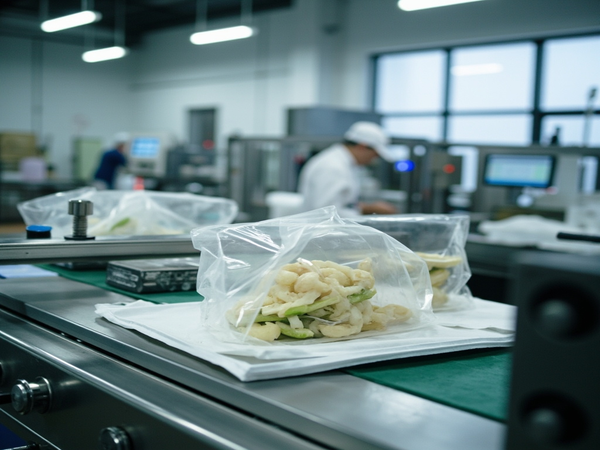
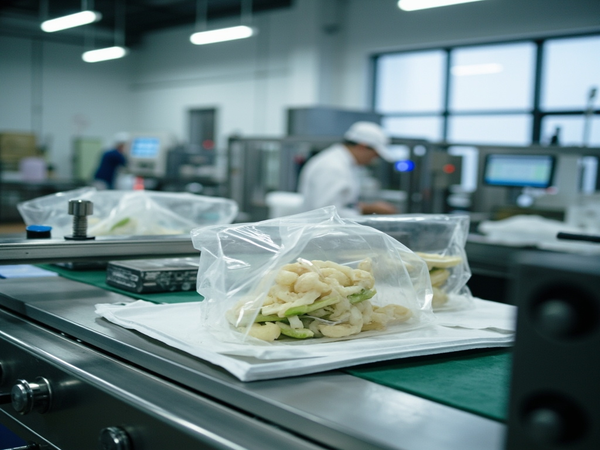
Against the backdrop of increasingly frequent global food trade, food packaging traceability has become a critical link in ensuring food safety and improving supply chain efficiency. In 2026, RFID (Radio Frequency Identification) technology is deeply penetrating the food packaging industry, bringing unprecedented standardization opportunities for export enterprises.
What is RFID Technology?
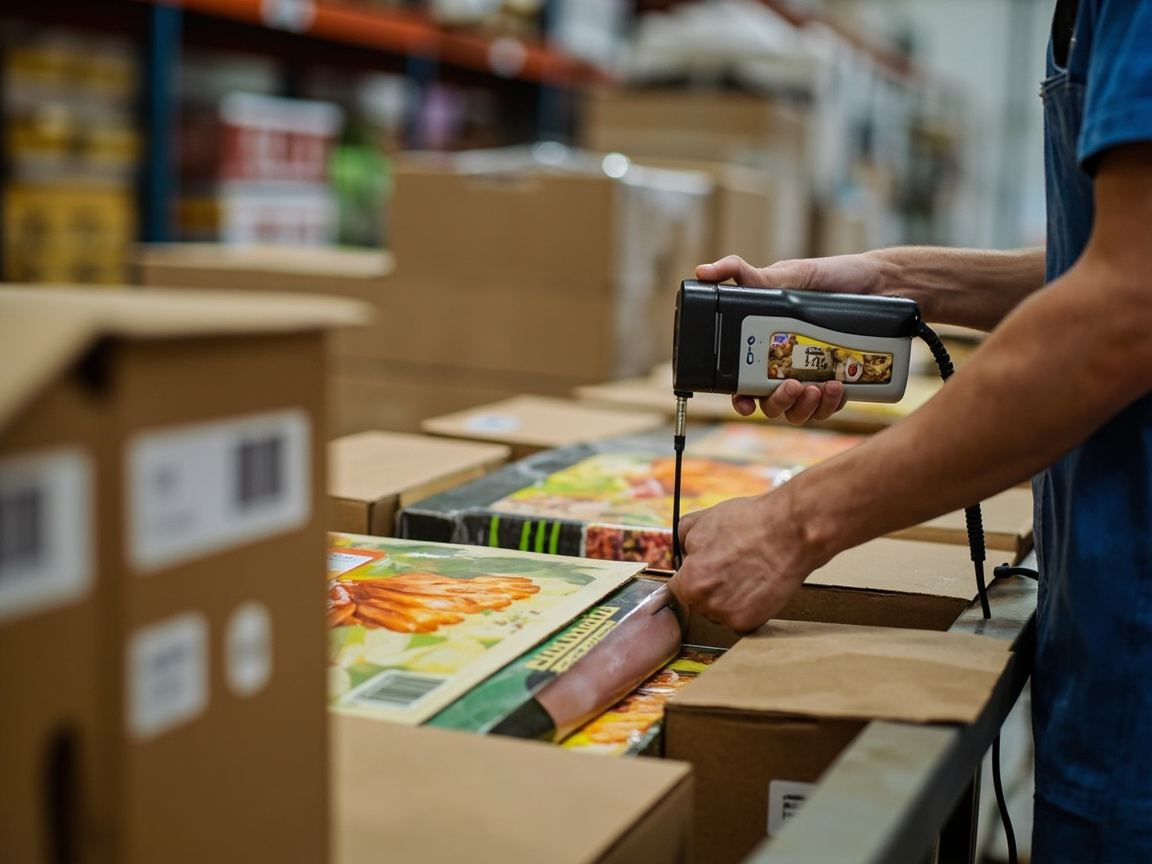
RFID is a technology that identifies specific targets and reads related data through radio signals without the need for contact or direct line-of-sight. Compared with traditional barcodes, RFID tags can store more information and support batch reading, significantly improving logistics efficiency.
RFID Advantages in Food Packaging Traceability
In the field of food packaging, RFID technology demonstrates unique value:
- Full-Scale Visualization: From raw material entry, production processing to finished product outbound, every step can be tracked in real time.
- Anti-Counterfeiting and Traceability: Each product has a unique electronic code that cannot be duplicated, effectively preventing counterfeit goods.
- Efficient Inventory: Warehouse inventory efficiency is improved multiple times, significantly reducing labor costs.
- Temperature Monitoring Integration: Combined with sensor tags, it can monitor cold chain temperature changes in real time throughout the entire process.
RFID Standardization Requirements in Export Markets
Developed economies such as Europe, the United States, and Japan are actively promoting RFID standardization for food packaging. The US FDA has issued relevant guidelines requiring certain high-risk foods to achieve full-scale electronic traceability; the EU General Food Law equally encourages enterprises to adopt digital traceability technologies; Japan's Ministry of Agriculture, Forestry and Fisheries explicitly requires that food packaging exported to Japan support RFID information reading.
For China's food packaging export enterprises, planning an RFID traceability system as early as possible not only meets compliance requirements in destination markets but also enables them to stand out in fierce competition and earn brand credibility.
Key Challenges in Implementing RFID Traceability
Despite the broad prospects, the large-scale application of RFID technology in food packaging still faces challenges:
- Cost Issues: RFID tag costs are approximately 10-20 times higher than barcodes, creating a heavier burden for small and medium enterprises.
- System Integration: Deep integration with existing ERP and WMS systems is required, with long implementation cycles.
- Standard Unification: Different countries and regions have varying RFID frequency bands and data protocols, requiring customized adaptation.
Conclusion
RFID technology is injecting new momentum into food packaging traceability systems. For food packaging enterprises with international layouts, early planning of RFID traceability capabilities will be an important chip for capturing global markets. With the dual trends of technological iteration and cost reduction, the adoption of RFID in the food packaging sector is accelerating.