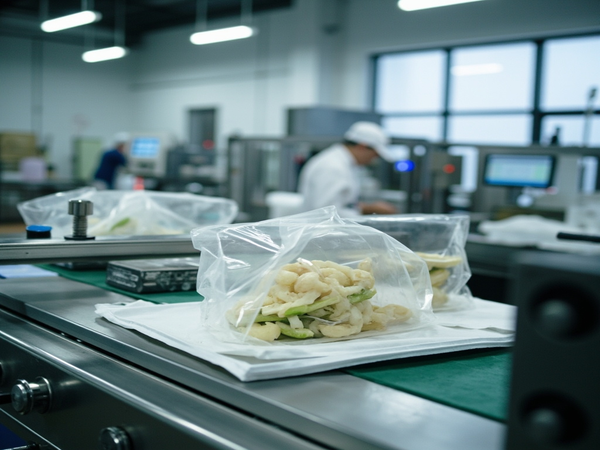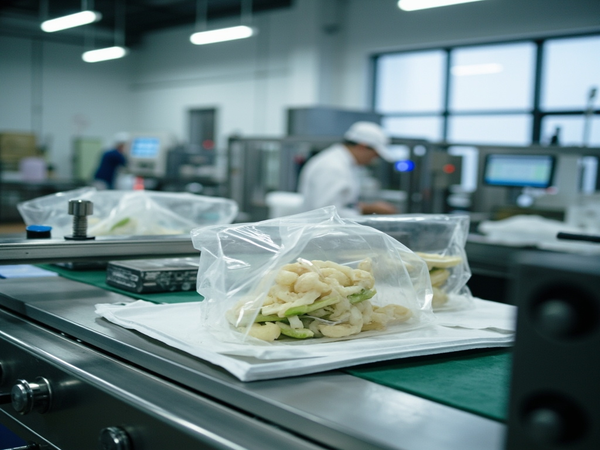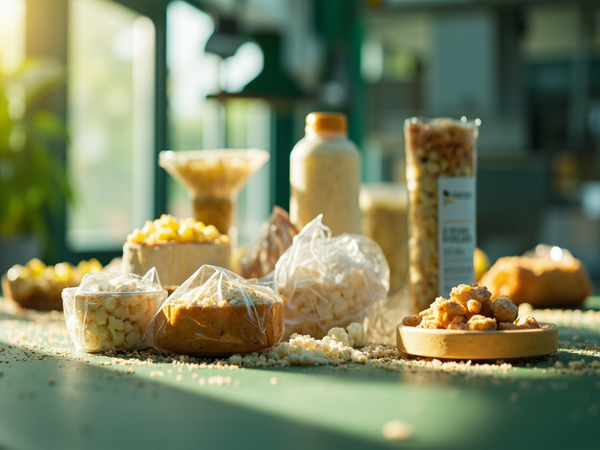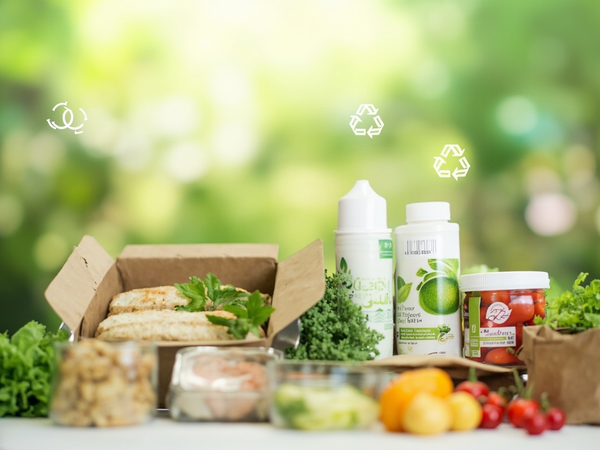
Driven by rising consumer awareness of environmental protection and tightening plastic regulations worldwide, the global food-grade packaging market is entering a new growth cycle. According to industry research, the global food packaging market exceeded $300 billion in 2025, with bio-based and degradable packaging materials growing at over 15% annually—significantly outpacing traditional plastic packaging.
Multiple factors are fueling this trend. First, consumers and brands worldwide are increasingly prioritizing eco-friendly packaging when selecting suppliers. Second, governments are accelerating plastic restriction policies. The European Union implemented its single-use plastic ban in 2021, and China further strengthened restrictions on conventional plastics in 2022, directly driving demand for bio-based alternatives. Third, bio-based packaging technology has matured, achieving food-safety standards on par with—or exceeding—traditional materials.
Against this backdrop, the food-grade packaging industry is undergoing structural adjustment. Bio-based materials like polylactic acid (PLA) and bio-based polyethylene (Bio-PE) are gaining commercial traction across frozen food, food delivery, and baking packaging segments. Regulatory frameworks are also tightening to ensure product safety and environmental compliance.
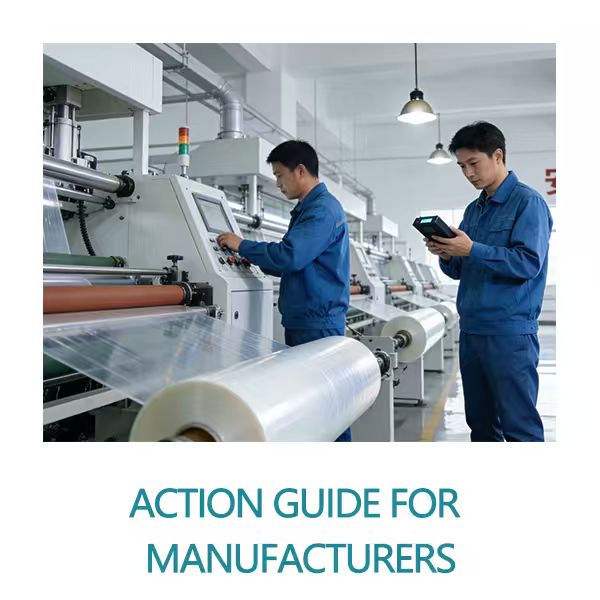
For food packaging manufacturers, this transformation presents both challenges and opportunities. Companies must invest continuously in material R&D, production equipment, and process control to meet stricter food safety and environmental standards. BaodaFor, a professional manufacturer of food-grade packaging materials, is actively monitoring industry developments, optimizing its product portfolio, and delivering safer, more sustainable packaging solutions to customers worldwide.