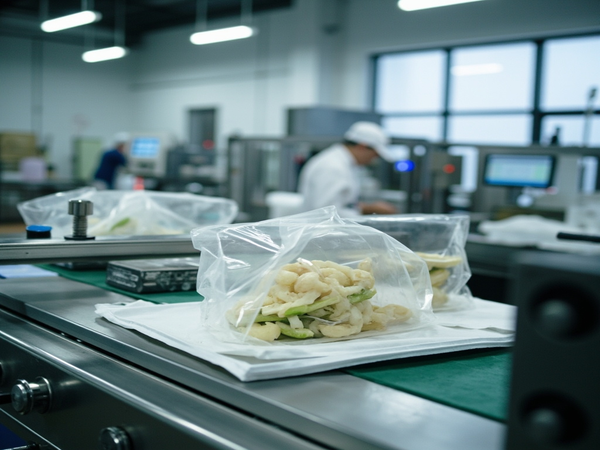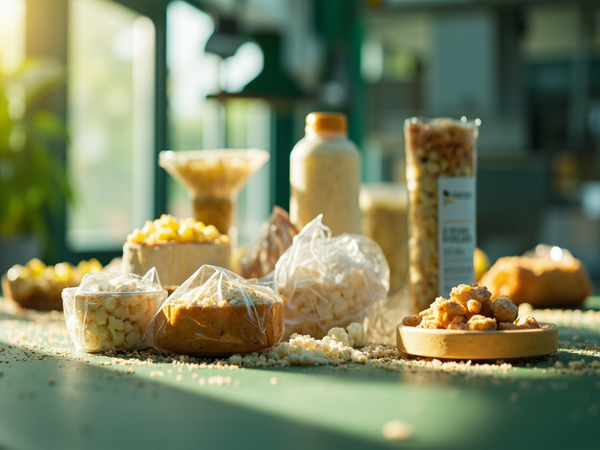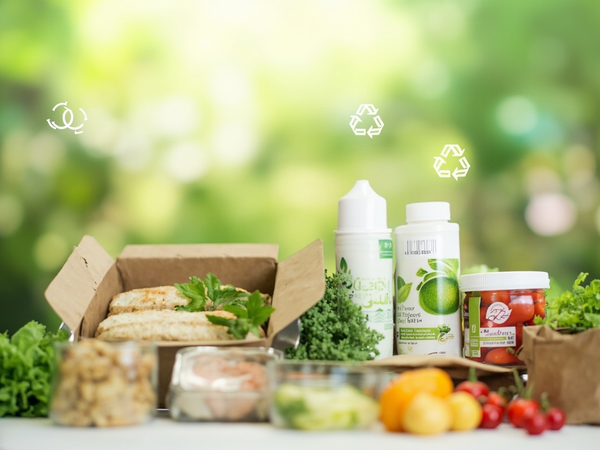
As global carbon neutrality targets continue to advance, the food packaging industry is undergoing a profound green transformation. Regulatory bodies across various countries are implementing plastic restriction policies, while consumer environmental awareness grows stronger—driving biodegradable packaging materials to become the mainstream direction for industry development.
In the European market, the ban on single-use plastic products has been fully implemented, forcing food packaging companies to replace traditional plastics with biodegradable or recyclable materials. This policy pressure has directly transmitted to the upstream supply chain, promoting rapid growth in demand for bio-based packaging materials. Statistics show that the global food-grade biodegradable packaging market exceeded 15 billion USD in 2025, with an annual compound growth rate remaining above 12%.
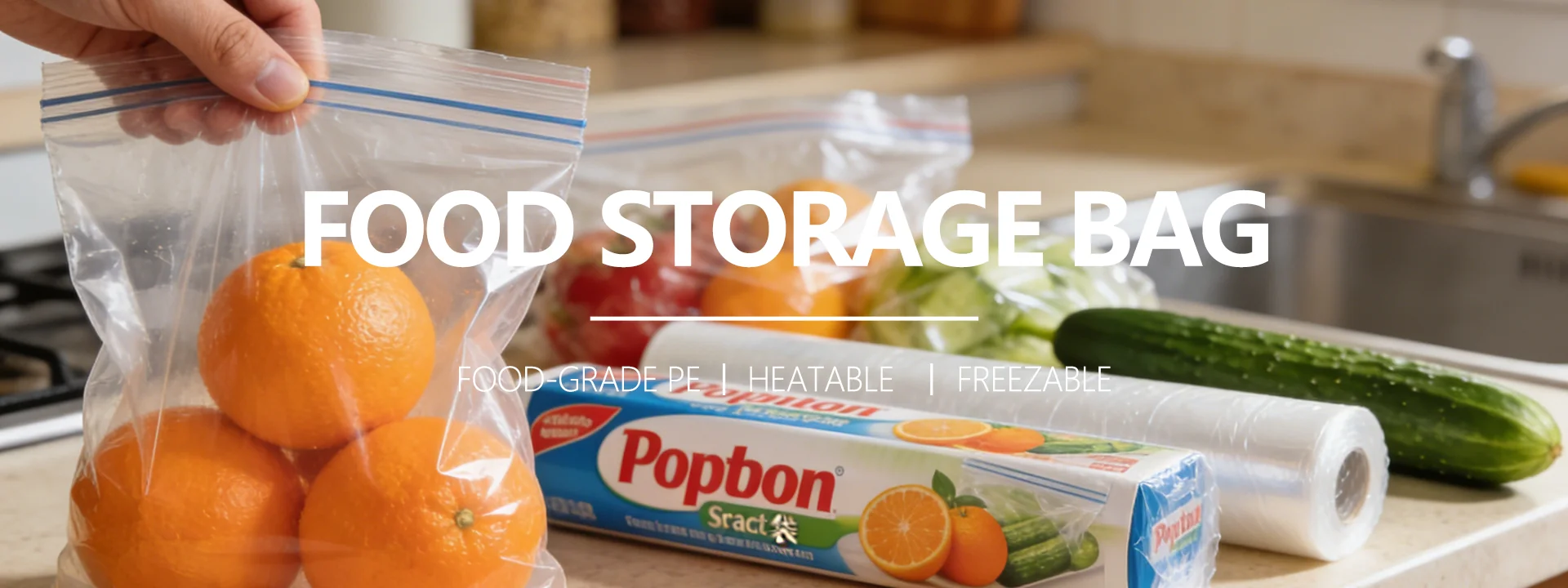
Domestically, the "Plastic Pollution Governance Action Plan" jointly issued by the National Development and Reform Commission and other departments clearly proposes that by 2025, a long-term mechanism for plastic pollution governance should be basically established. As a key area of plastic usage, food packaging is accelerating its transition toward biodegradability. Biodegradable materials such as PLA (polylactic acid) and PBAT are becoming increasingly widespread in food contact materials like cling wrap and ziplock bags.
Technological advancement is a key factor driving the popularization of biodegradable materials. Early biodegradable materials had shortcomings in mechanical properties, heat resistance, and barrier performance, limiting their large-scale application in food packaging. In recent years, through material modification technology, the comprehensive performance of PLA and other biodegradable materials has approached that of traditional PE materials, able to meet most food storage and preservation needs.
The continuous decline in costs has further accelerated the commercialization of biodegradable materials. As production scale expands and technology matures, the cost gap between biodegradable and traditional plastics is gradually narrowing. Industry experts estimate that within the next three to five years, biodegradable food packaging will achieve cost parity with ordinary plastic packaging, at which point market penetration is expected to increase significantly.
For food packaging companies, proactively布局 biodegradable material production capacity is not only a necessary measure for policy compliance, but also a strategic choice to capture the green consumption trend and win future market competition.