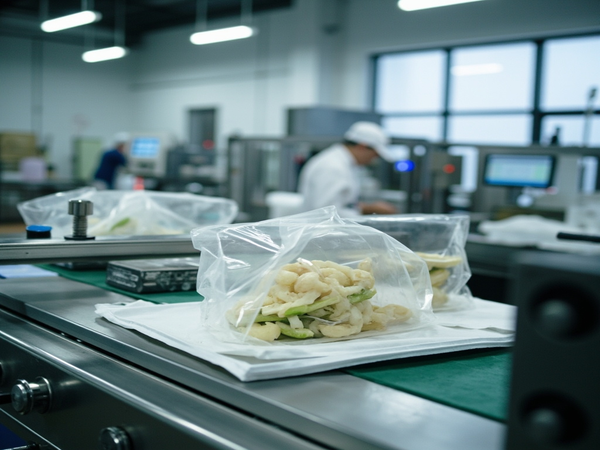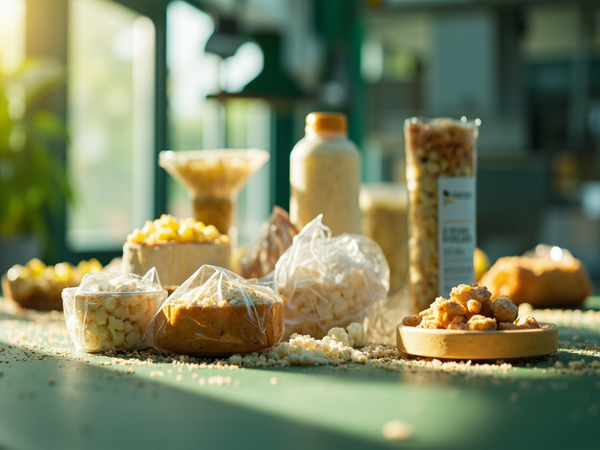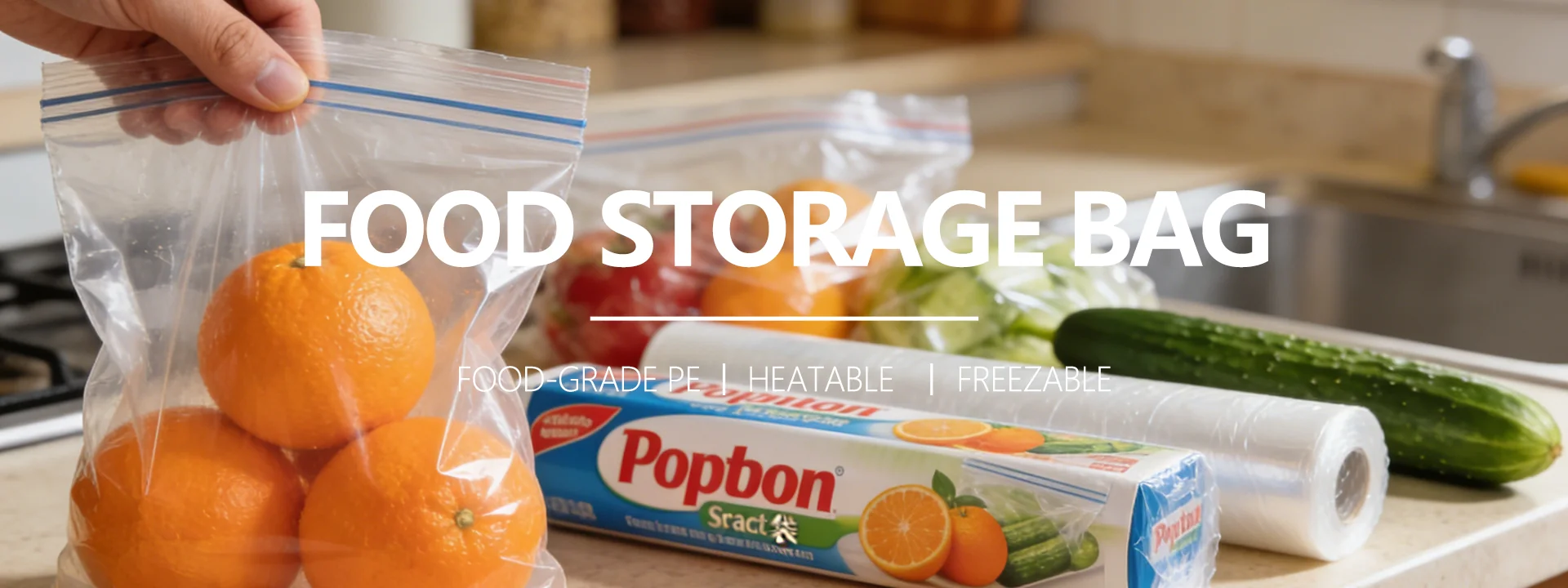
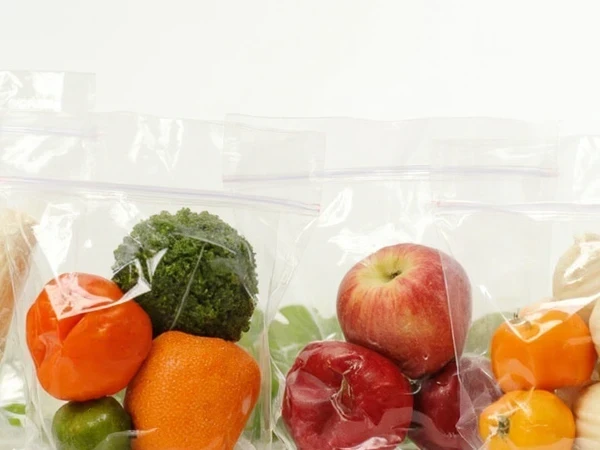
The rapid growth of food delivery platforms is profoundly reshaping the landscape of the food packaging industry. According to third-party research data, China's takeout market surpassed 1.2 trillion yuan in 2025, with order volumes maintaining double-digit growth for consecutive years. This enormous market demand has directly boosted consumption of food-grade packaging materials, with significant increases in the use of cling film, ziplock bags, and aluminum foil.
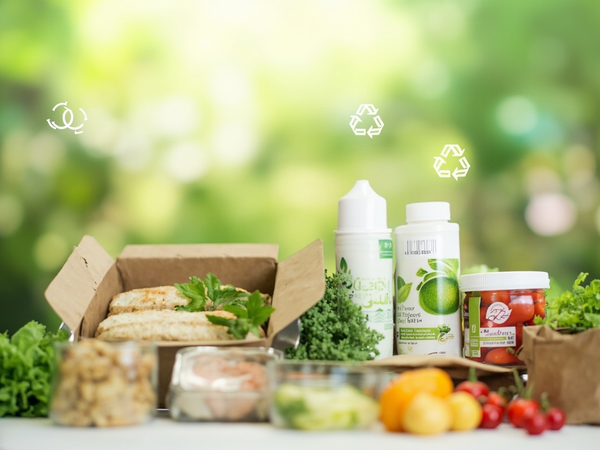
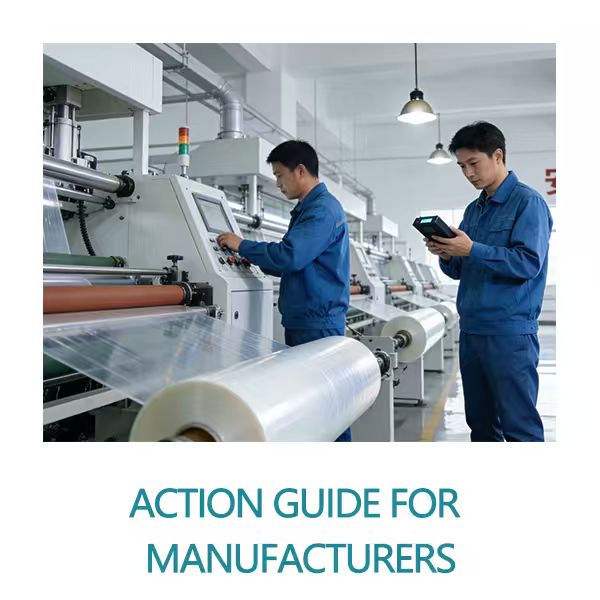
This trend places heightened demands on food packaging enterprises. First, delivery packaging requires excellent sealing and preservation properties to maintain food temperature and texture during transit. Second, oil resistance, waterproofing, and high-temperature tolerance have become baseline requirements. Additionally, tightening environmental regulations are accelerating the development of biodegradable and recyclable packaging materials.
In terms of material innovation, lightweight design has become an industry consensus. By optimizing product thickness and structural design while maintaining performance, raw material consumption is reduced, cutting costs and minimizing environmental impact. Simultaneously, research into bio-based and biodegradable materials continues to advance, with multiple leading enterprises launching new product series that meet environmental standards.
Notably, the standardization of takeout packaging is also improving continuously. Unified specifications and dimensions not only facilitate manufacturing but also help delivery platforms achieve standardized management and reduce operational costs.
Overall, the sustained expansion of the takeout market has brought new growth momentum to the food packaging industry. Enterprises need to balance preservation performance, environmental requirements, and cost control to navigate this landscape of opportunities and challenges alike.