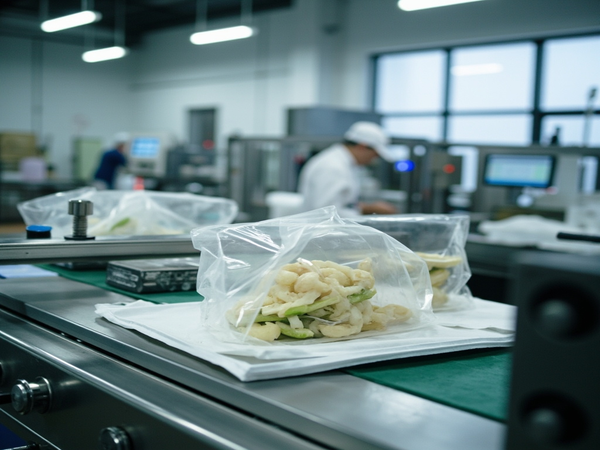
In recent years, the global food packaging industry has been undergoing a profound green transformation, with the bio-based biodegradable materials market showing rapid growth momentum. As environmental regulations tighten globally and consumer environmental awareness continues to rise, traditional plastic packaging faces mounting replacement pressure, and bio-based materials represented by polylactic acid (PLA) have become a key direction for industry transformation and upgrading.
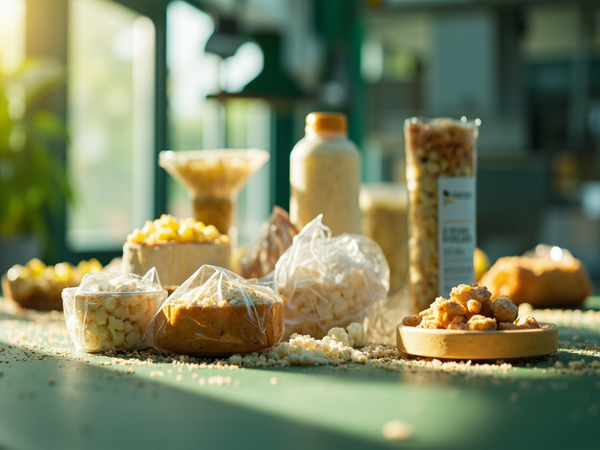
PLA is a thermoplastic polymer material synthesized from renewable plant resources such as corn and sugarcane through fermentation and polymerization. When used under specific conditions, it can fully biodegrade into carbon dioxide and water, making it environmentally friendly. Currently, PLA has been widely applied in food preservation films, disposable tableware, food trays, and other food packaging fields.
From a market perspective, global PLA production capacity is rapidly expanding. According to industry research institutions, the global PLA market scale exceeded $1.5 billion in 2025, and is projected to maintain sustained growth at an annual rate of 18% through 2030. Domestically, driven by "plastic restriction" policies, the application scenarios for bio-based materials like PLA in food packaging continue to expand.
In terms of technological innovation, domestic research institutions and enterprises are continuously increasing R&D investment. Through modification technologies, PLA's heat resistance, toughness, and barrier properties have been improved to better meet the requirements of different food packaging scenarios. Food-grade packaging manufacturers like Baodafor are also actively developing bio-based material product lines to provide more environmentally friendly food packaging solutions for the market.
Industry analysts believe that with technological advancement and cost reduction, the penetration rate of bio-based materials in the food packaging sector will continue to increase, and the next five years are expected to enter a critical stage of large-scale application.