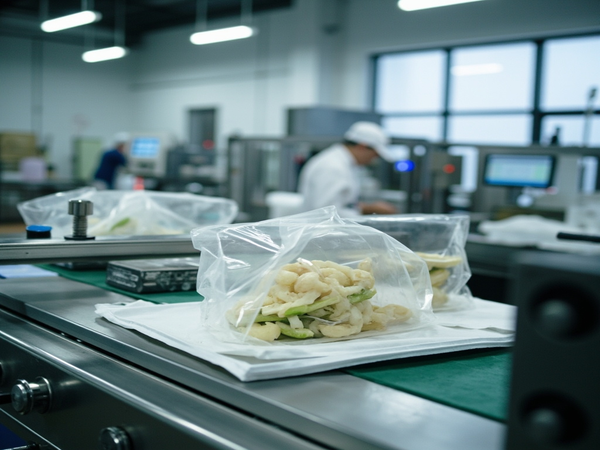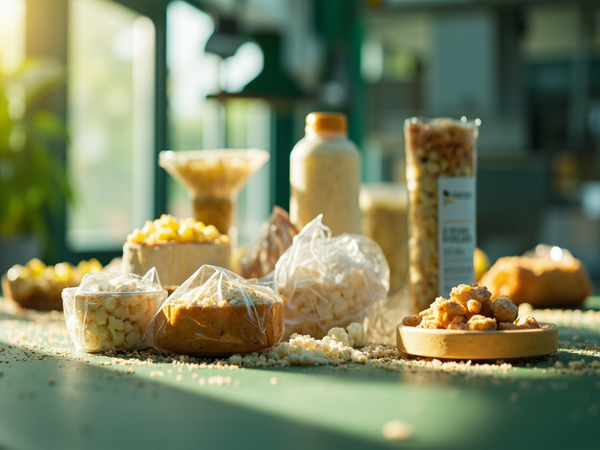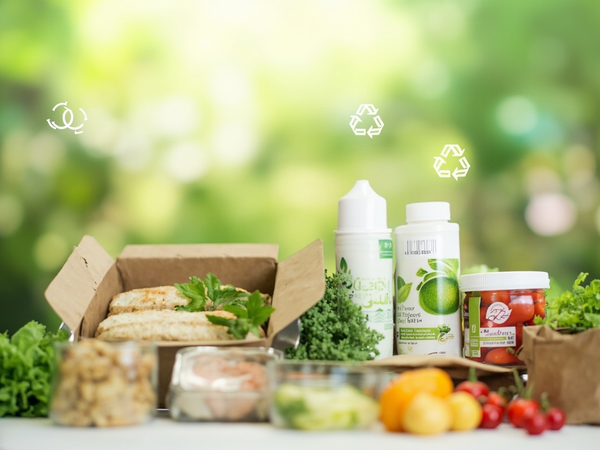

As global environmental awareness continues to rise, the food packaging industry is undergoing a profound green transformation. Since 2026, the adoption of sustainable packaging materials has accelerated noticeably, becoming a new focal point of corporate competition.
Driven by the EU single-use plastic ban, demand for bio-based materials and biodegradable plastics has grown substantially. Data shows that in the first half of 2026, the global food-grade biodegradable packaging market reached $18 billion, representing approximately 28% year-over-year growth. The usage space for traditional petroleum-based plastic packaging is being rapidly compressed.
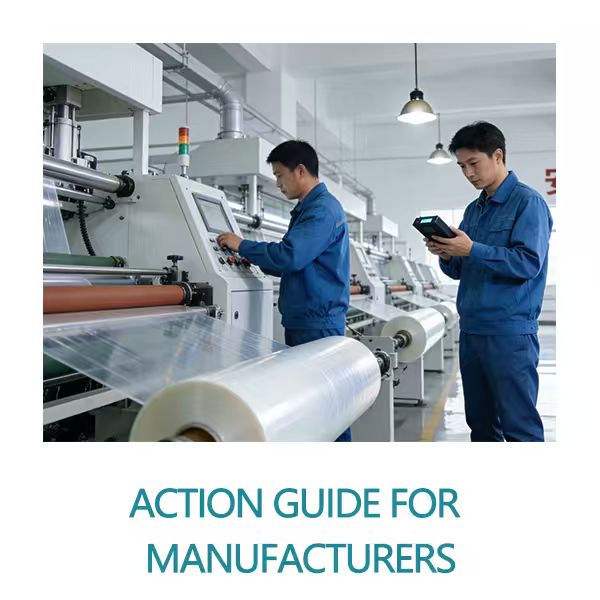
This trend is also profoundly impacting China's food packaging industry. More and more food service businesses and manufacturers are prioritizing procurement of packaging materials made from renewable raw materials, including PLA (polylactic acid), PBAT biodegradable plastics, as well as paper-based packaging and aluminum foil alternatives. Baodafor New Materials Technology Co., Ltd., as a participant in the food packaging sector, is actively responding to the industry's green transformation needs and continuously investing in R&D and production of biodegradable packaging materials.
Industry analysts believe that the next three to five years will be a critical window period for the food packaging industry's green transition. Companies that take the lead in material innovation and stable supply will gain first-mover advantages in the new round of market competition. Meanwhile, declining costs and maturing technology for sustainable packaging will bring new growth momentum to the industry.
For food enterprises, choosing eco-friendly packaging is not only an expression of social responsibility but also an important factor in brand differentiation and gaining consumer trust.