
With the continuous improvement of domestic cold chain logistics infrastructure, the frozen food market is experiencing rapid growth. According to the China Federation of Logistics and Procurement, the cold chain logistics market in China exceeded 500 billion yuan in 2025 and is expected to maintain double-digit growth through 2027. This trend has directly driven significant increases in frozen food packaging demand.
The development of cold chain logistics has imposed higher requirements on packaging materials. Frozen foods require storage and transportation at temperatures below minus 18 degrees Celsius, which places strict standards on packaging's low-temperature resistance, sealing performance, and fracture resistance. Traditional ordinary plastic packaging becomes brittle and prone to cracking under extreme low temperatures, failing to meet cold chain transportation needs.
Industry experts point out that packaging materials suitable for frozen foods should have the following characteristics: first, strong low-temperature resistance, maintaining flexibility at minus 30 degrees Celsius; second, excellent sealing performance, effectively preventing cold air entry and moisture loss; third, safe and reliable materials that comply with food contact material standards.
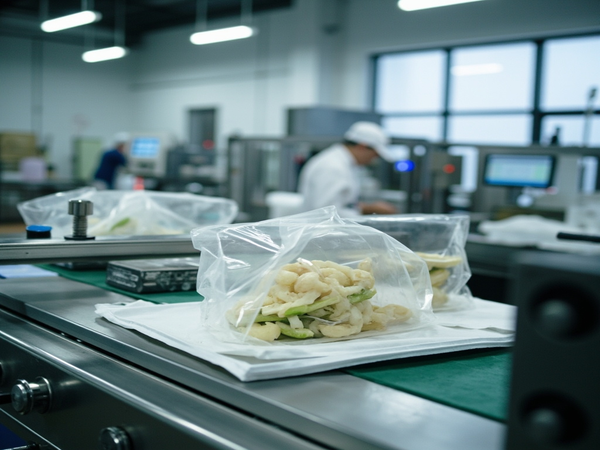
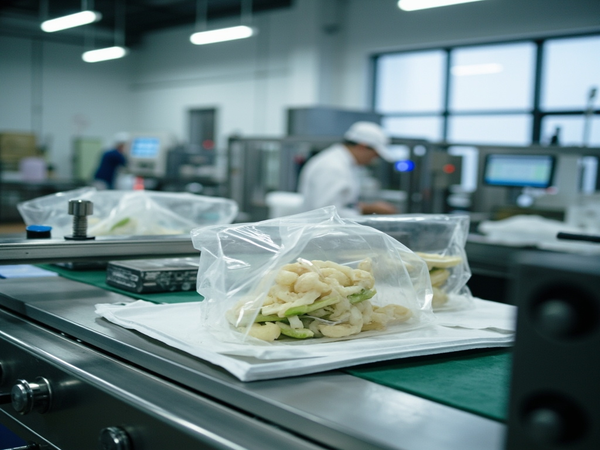
Baodafor New Materials Technology Co., Ltd. has long focused on the R&D and production of food-grade packaging materials. The company's frozen food-specific ziplock bags and cling wrap products use high-quality PE raw materials with excellent low-temperature resistance and reliable sealing performance, effectively protecting the quality and safety of frozen foods during transportation and storage. The company can provide different specifications and customized packaging solutions based on customer needs to meet diverse application scenarios.
Industry analysis indicates that the rapid expansion of cold chain logistics will bring sustained growth momentum to the food packaging industry, and related enterprises need to continuously invest in material R&D to adapt to continuously upgrading market demands.