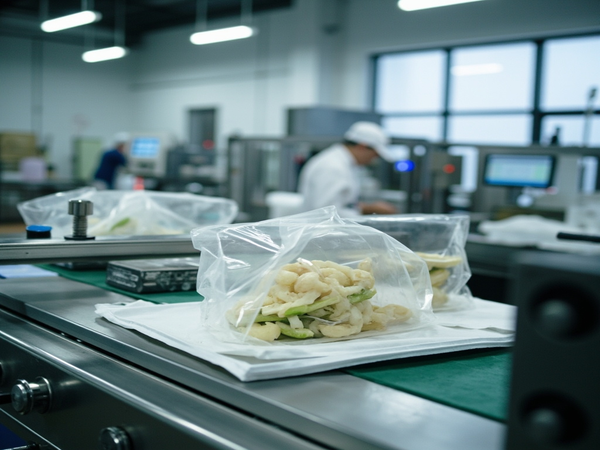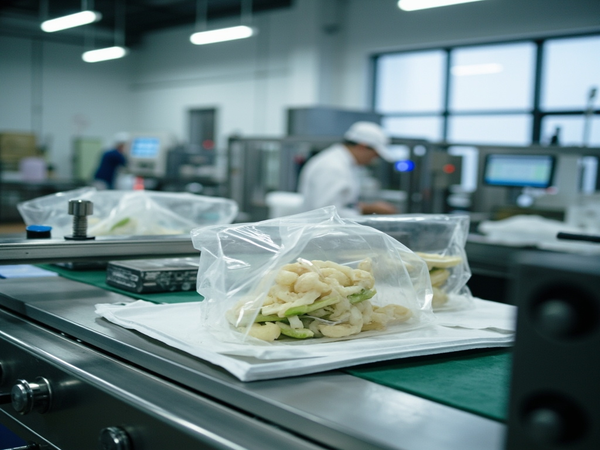
In recent years, the food packaging industry has embraced a lightweight trend. By optimizing material formulations and improving production processes, manufacturers are significantly reducing the raw material used per package while maintaining protective performance.
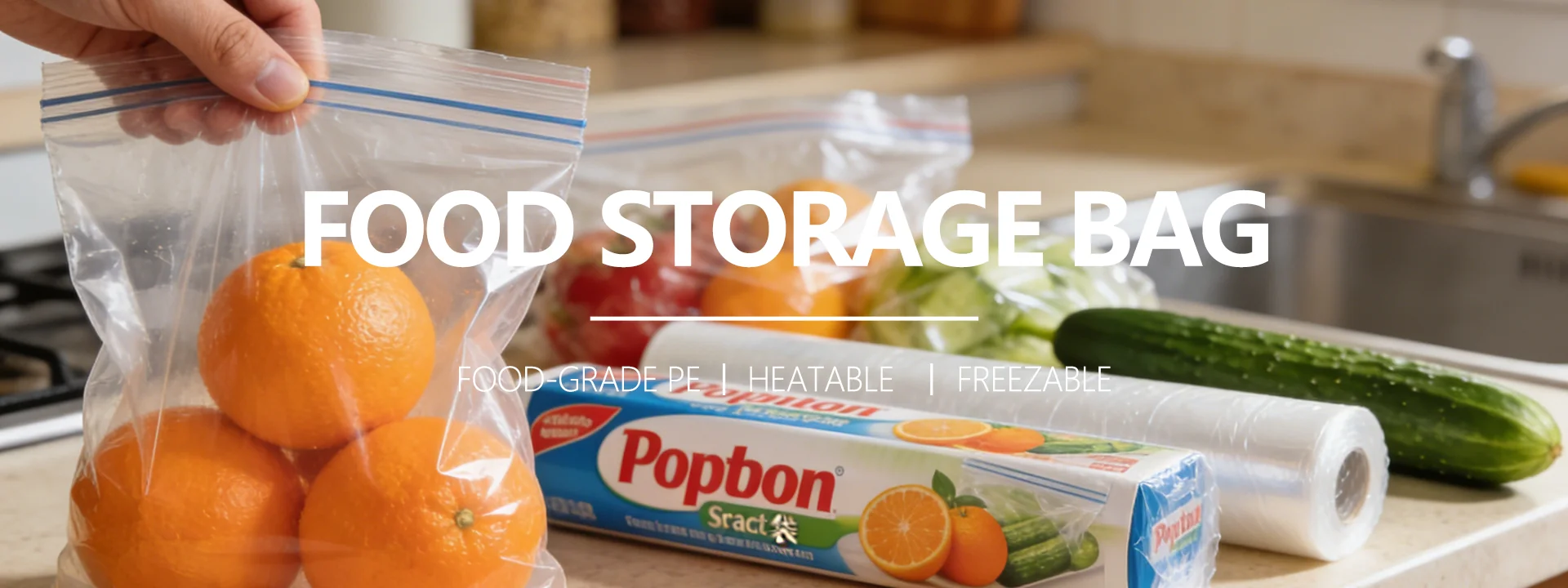
Material innovation lies at the core of lightweight packaging. Baodafor's R&D team has adjusted the molecular structure of PE film, reducing cling wrap thickness by 15% to 20% while preserving sealing performance and tensile strength. This not only decreases plastic usage but also lowers carbon emissions during transportation.
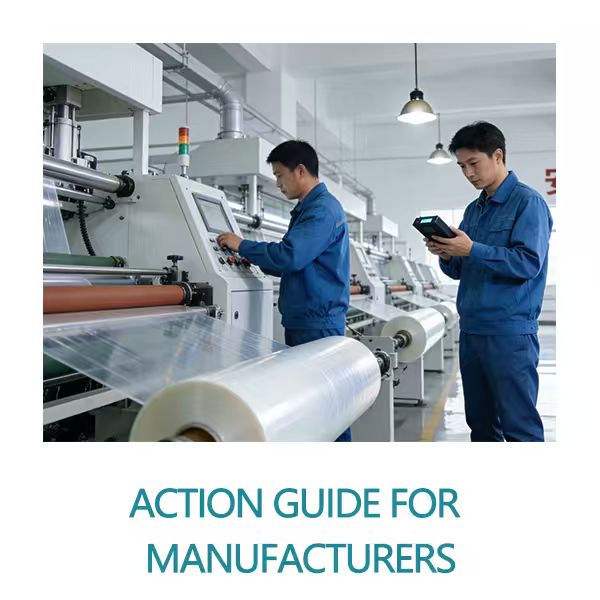
On the production side, advanced cast and blown film technologies enable precise control over film thickness uniformity, preventing performance degradation caused by thickness variations. For brands, lightweight packaging translates to lower material procurement costs and more compact storage requirements.
Consumers benefit as well. Thinner, lighter packaging is easier to open and use, reducing unnecessary material waste. As global plastic reduction regulations become increasingly stringent, lightweight packaging has become an inevitable industry trend.
Lightweight packaging is not merely an environmental demand—it is also an effective pathway for brands to enhance competitiveness and reduce supply chain costs. Baodafor will continue investing in R&D to drive the green transformation of the food packaging industry.