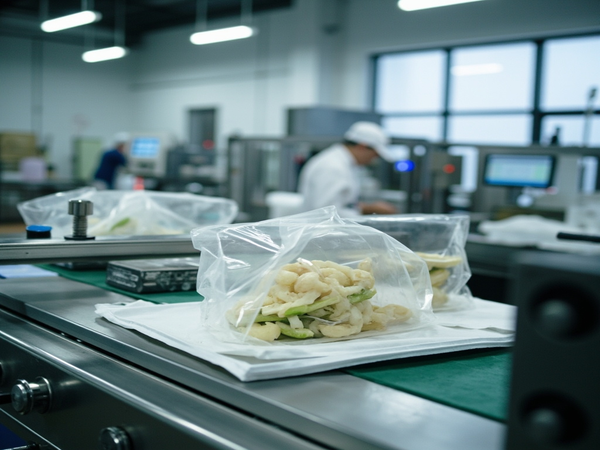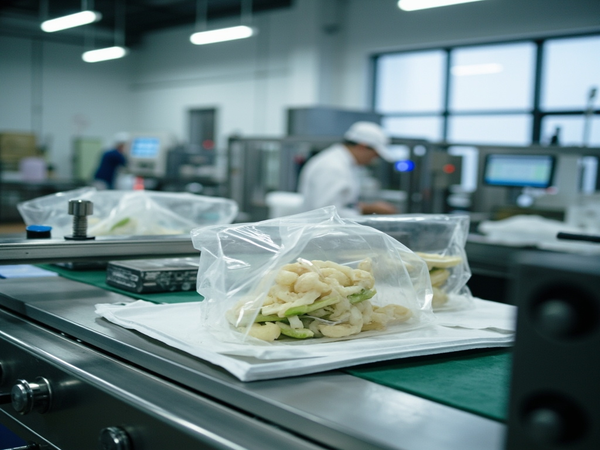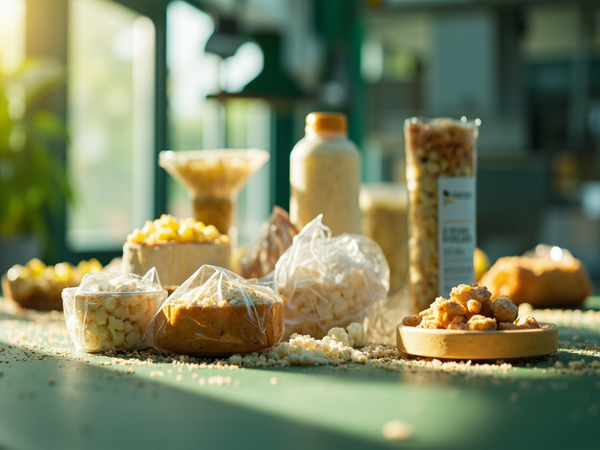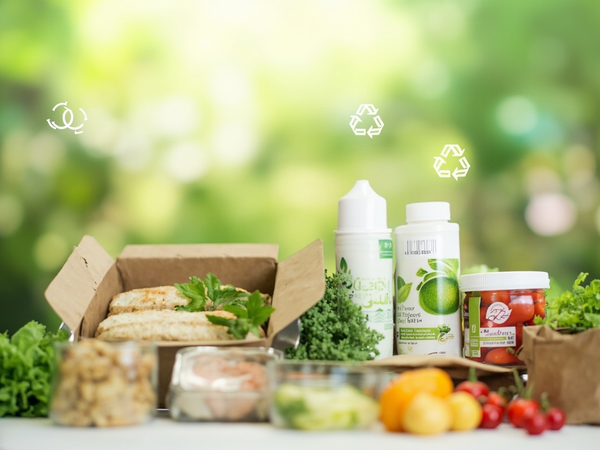
As global environmental awareness continues to rise, the food packaging industry is undergoing a profound material transformation. Bio-based materials, serving as an ideal alternative to traditional petroleum-based plastics, are rapidly entering the product supply chains of major brands.
Recently, several international food companies announced plans to expand their use of bio-based packaging, including degradable materials such as PLA (polylactic acid) and PHA (polyhydroxyalkanoates). These materials are derived from renewable plant resources like corn and sugarcane, and can biodegrade within 180 days under specific conditions, significantly reducing environmental burden.
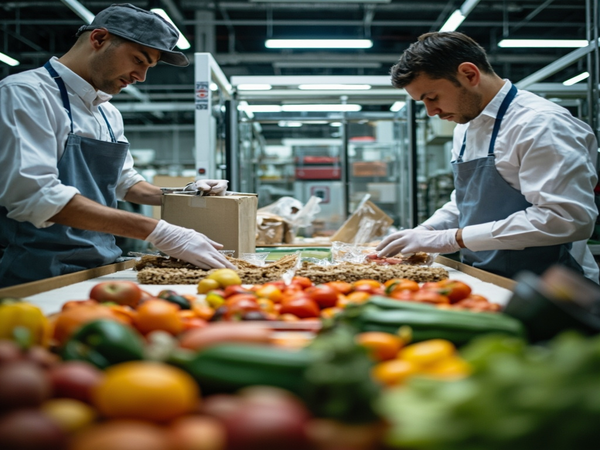
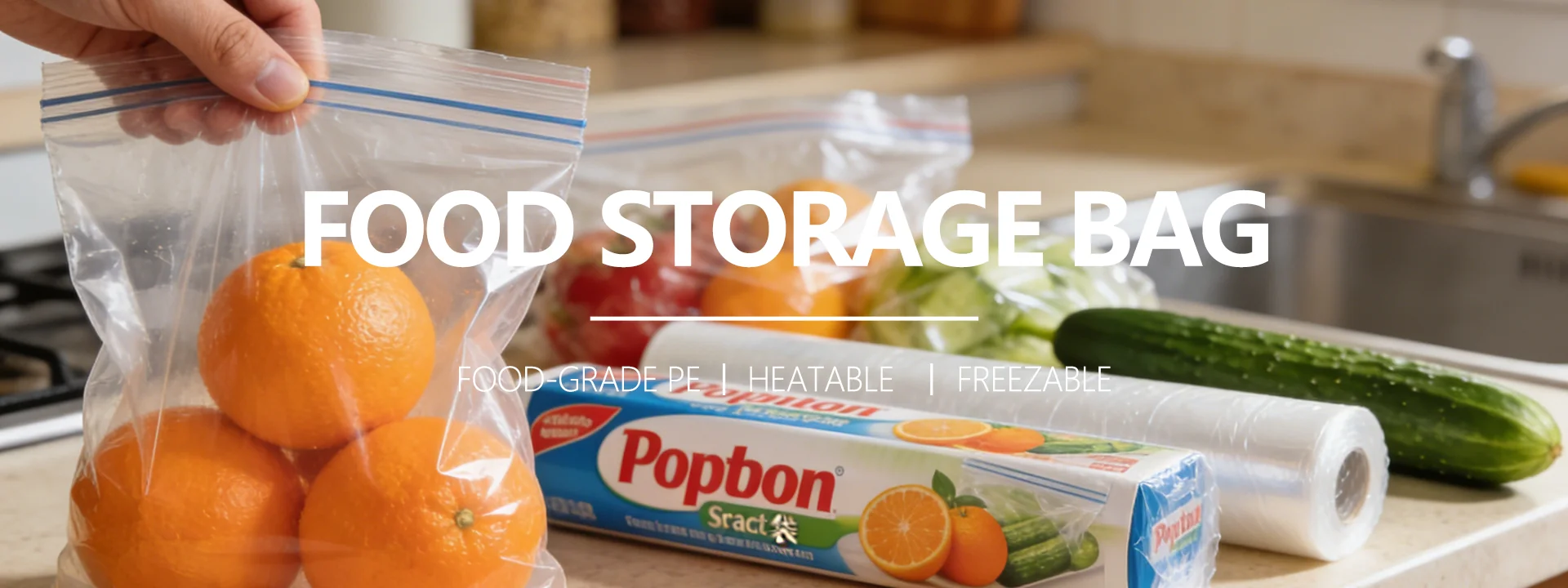
In the domestic market, the application of bio-based food packaging is also growing rapidly. From fresh produce e-commerce to chain restaurants, an increasing number of companies are adopting PLA film-based fresh-keeping bags and disposable tableware. Industry analysis indicates that by 2028, China's bio-based packaging market is expected to exceed 20 billion yuan in scale.
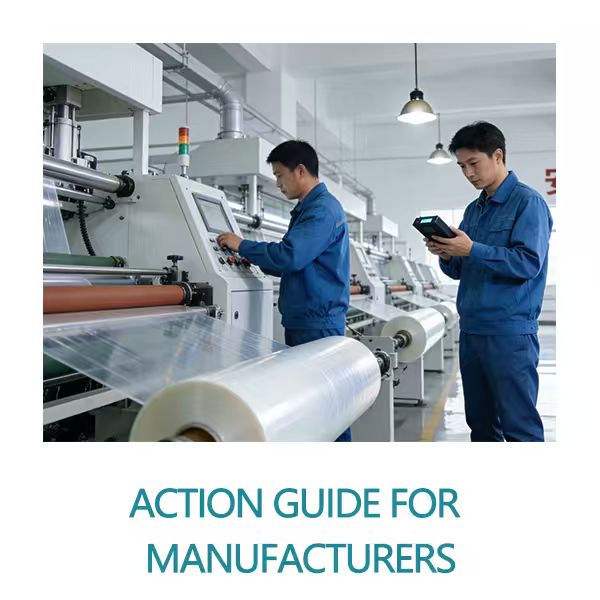
The raw material supply side is also expanding simultaneously. Several domestic PLA resin manufacturers have completed capacity upgrades, with raw material costs continuing to decline, providing a solid foundation for large-scale application of bio-based packaging. At the same time, relevant testing and certification systems are also continuously improving.
For food packaging enterprises, accelerating investment in the bio-based materials track is not only an expression of fulfilling environmental and social responsibilities, but also a strategic choice to capture green consumption trends and enhance brand competitiveness.