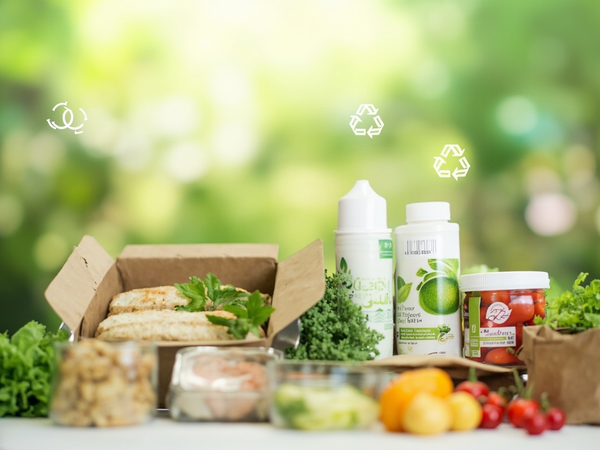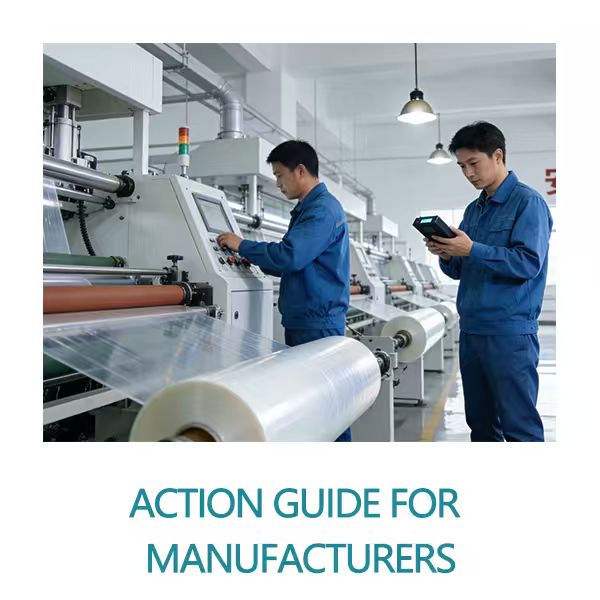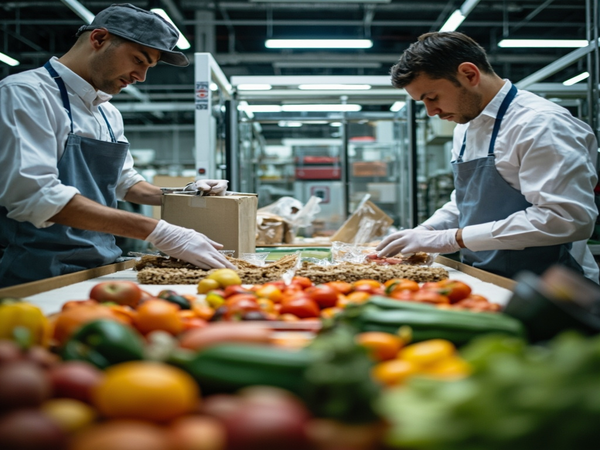
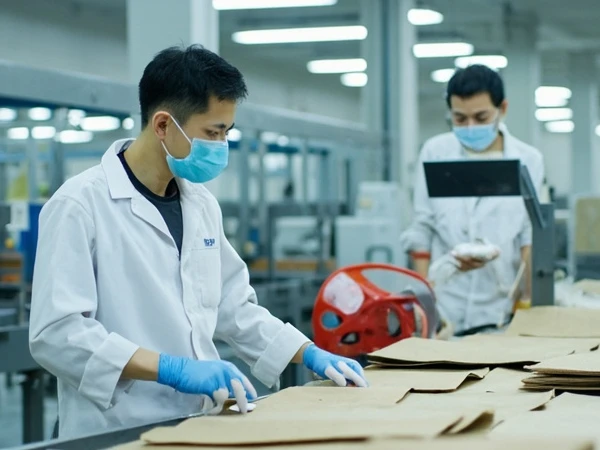
As global environmental awareness continues to rise, the food packaging industry is undergoing a profound green transformation. Recent reports from multiple authoritative institutions show that the market demand for biodegradable packaging materials has achieved a compound annual growth rate exceeding 15%, making it one of the fastest-growing segments in the food packaging sector.
From a policy perspective, many countries and regions have introduced plastic restrictions or bans, continuously reducing the use of traditional petroleum-based plastic packaging. The European Union has clearly required that all packaging must be recyclable or biodegradable by 2030, while the United Kingdom and France have taken the lead in banning single-use plastics in the food service industry. Some Chinese provinces and cities have also issued relevant guidance to promote the industry's transition to green and low-carbon practices.
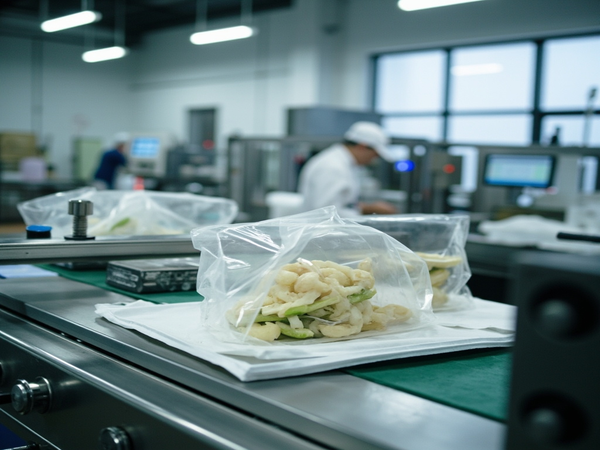
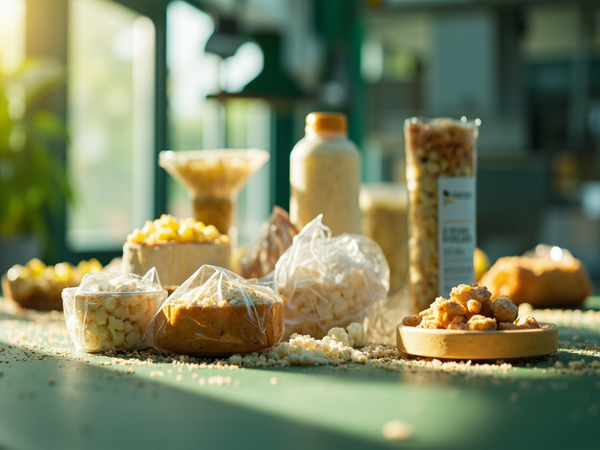
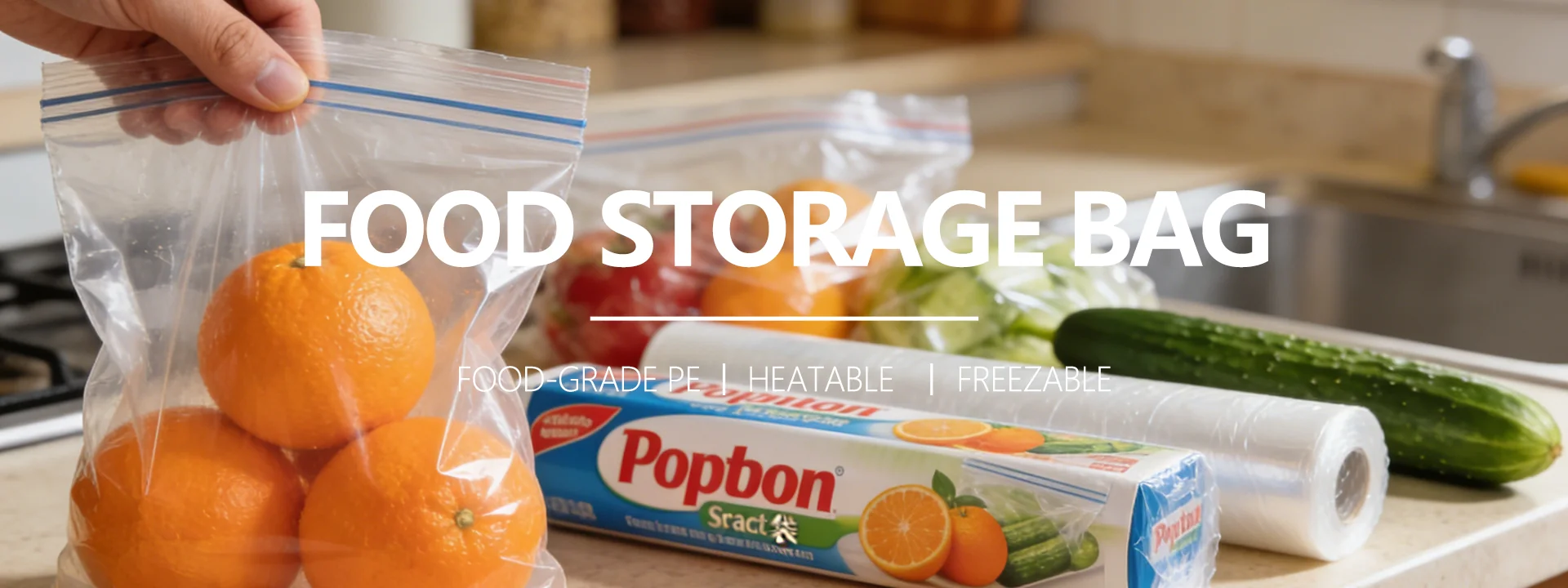
Technically, bio-based biodegradable materials have achieved breakthrough progress in recent years. Polylactic acid (PLA), a representative biodegradable plastic, has achieved large-scale commercial production capability. Made from renewable plant resources such as corn starch, this material can fully degrade under specific conditions without environmental pollution. In the food preservation field, PLA-based cling wrap and ziplock bag products have achieved commercial applications, ensuring food safety while meeting environmental needs.
Industry insiders analyze that green packaging is not only an environmental requirement but also a "must-learn" lesson for food export enterprises. Major export destinations like Europe and the United States have increasingly stringent environmental requirements for packaging, and products meeting biodegradability standards more easily obtain market access. It is foreseeable that in the next three to five years, the green transformation of the food packaging industry will accelerate further.