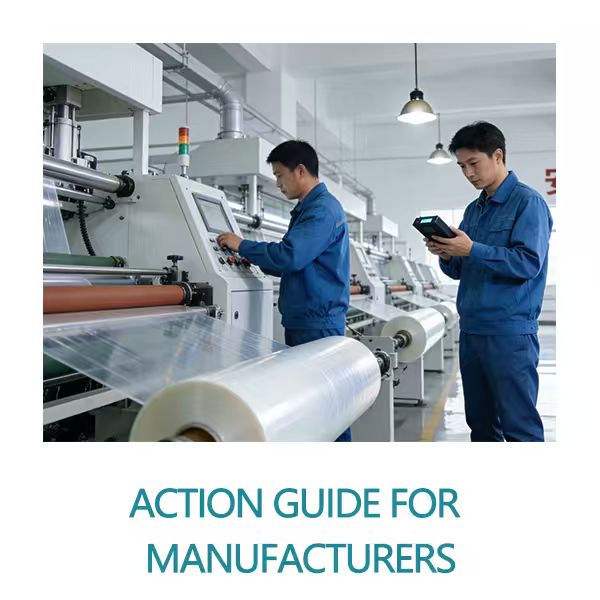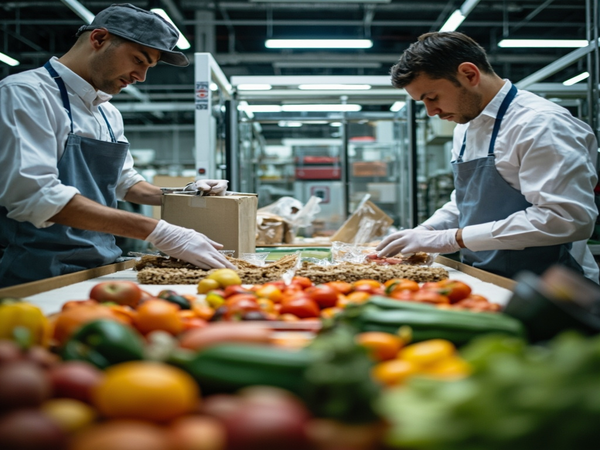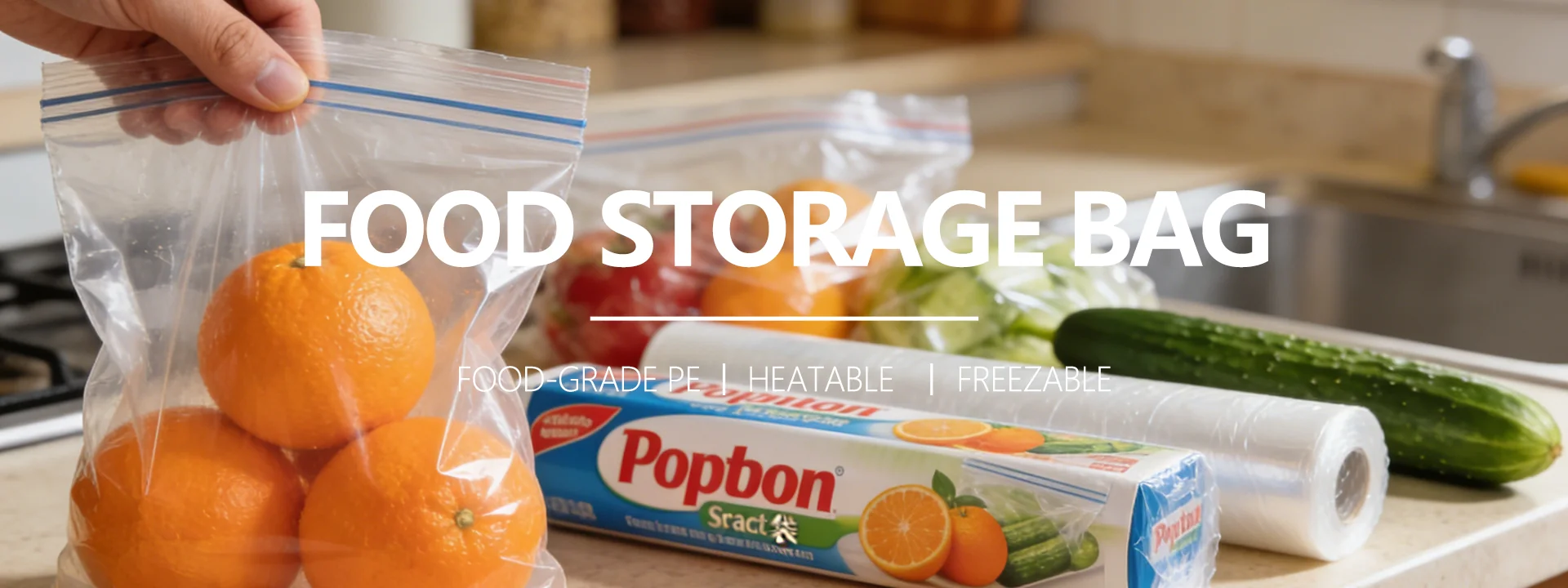
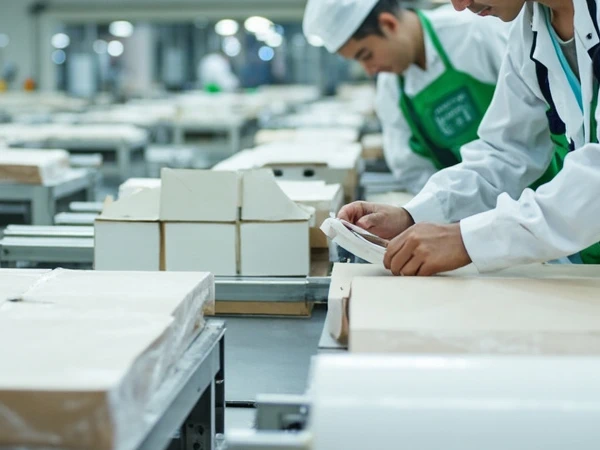
As global environmental awareness continues to rise, the food packaging industry is accelerating its exploration of renewable resource applications. Recently, several packaging companies announced increased investment in bio-based material research and development, driving the industry toward green and low-carbon transformation.
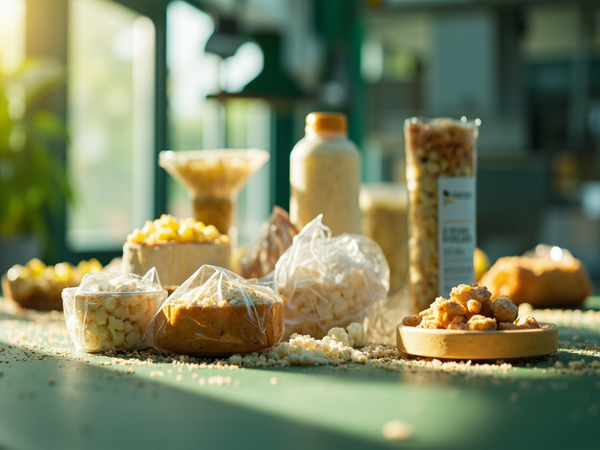
Compared with traditional petrochemical-based plastics, bio-based materials offer advantages of biodegradability and renewability. Packaging solutions using corn starch, sugarcane fiber, and other raw materials are gradually entering the market, providing more environmentally friendly options for food preservation. Industry experts note that bio-based packaging has approaching traditional materials in water resistance, barrier properties, and other performance aspects, meeting the needs of most food packaging applications.
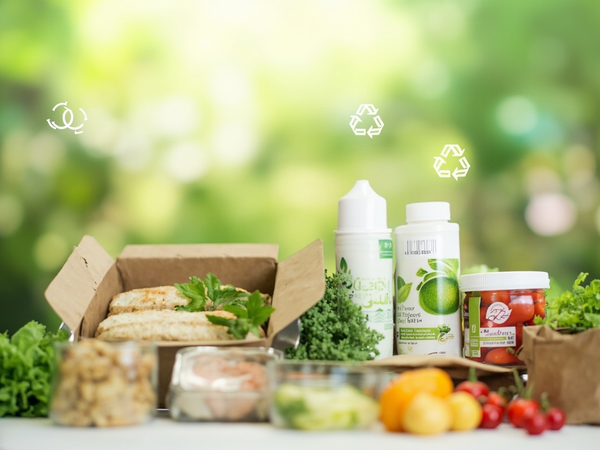
At the same time, the improvement of recycling systems has become a key link in promoting the industry's green development. Some companies have begun establishing packaging recycling incentive mechanisms to encourage consumers to participate in packaging circular utilization. On the policy front, multiple countries and regions have introduced packaging waste management regulations, further accelerating the industry's transition toward sustainable development.
For food packaging enterprises, green transformation presents both challenges and opportunities. Through coordinated advancement of material innovation, process improvement, and recycling systems, the industry is expected to protect the environment while tapping into new growth opportunities.