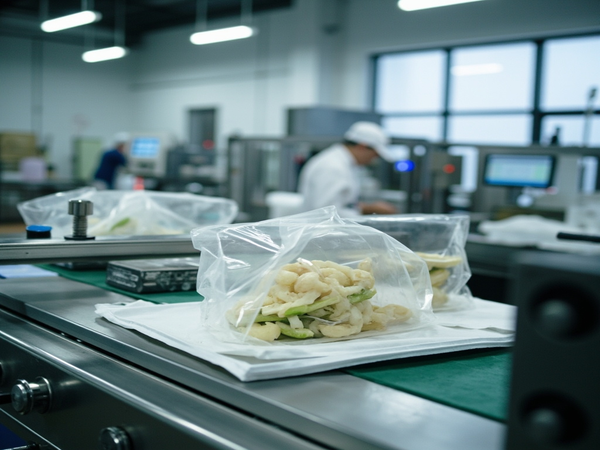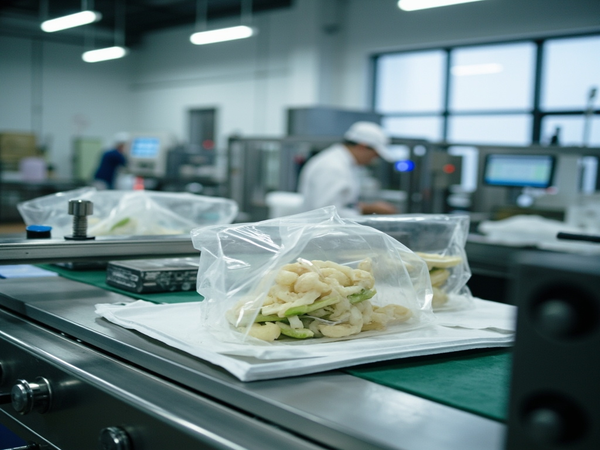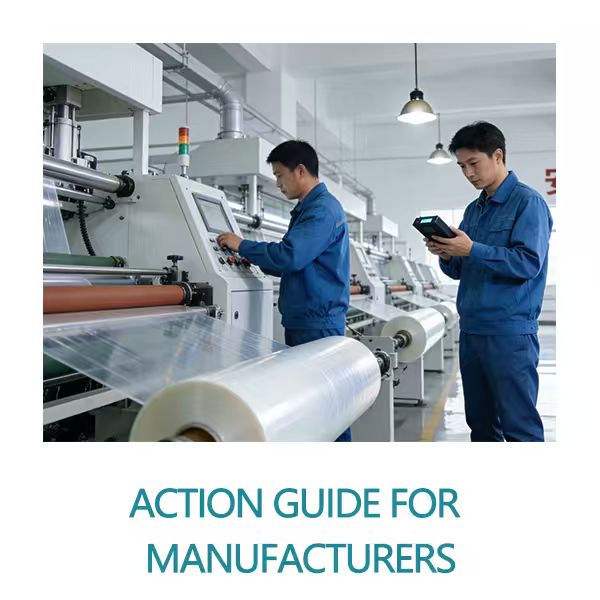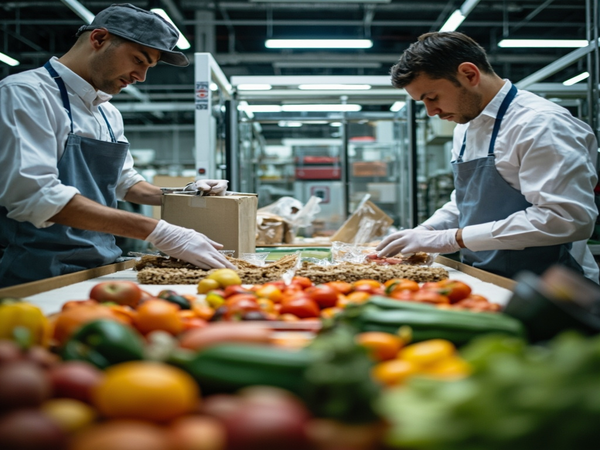
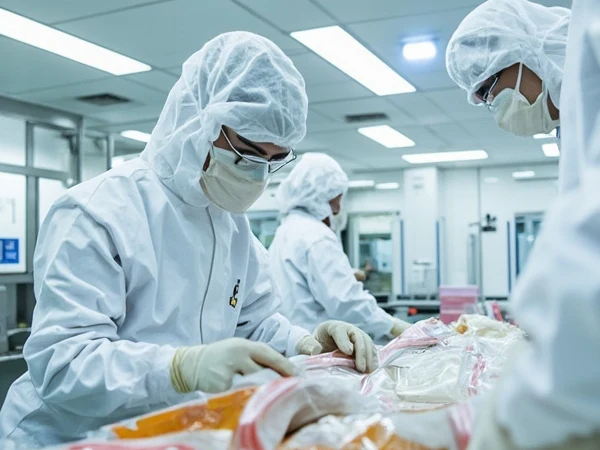
As consumer attention to food safety continues to rise, the regulatory standards for the food packaging industry are accelerating their upgrade. Since 2026, national market regulatory authorities have successively revised multiple standards including "Food Contact Plastic Materials and Products" and "Food Packaging Hygiene Standards," putting forward stricter requirements for raw material selection, production processes, and finished product testing.
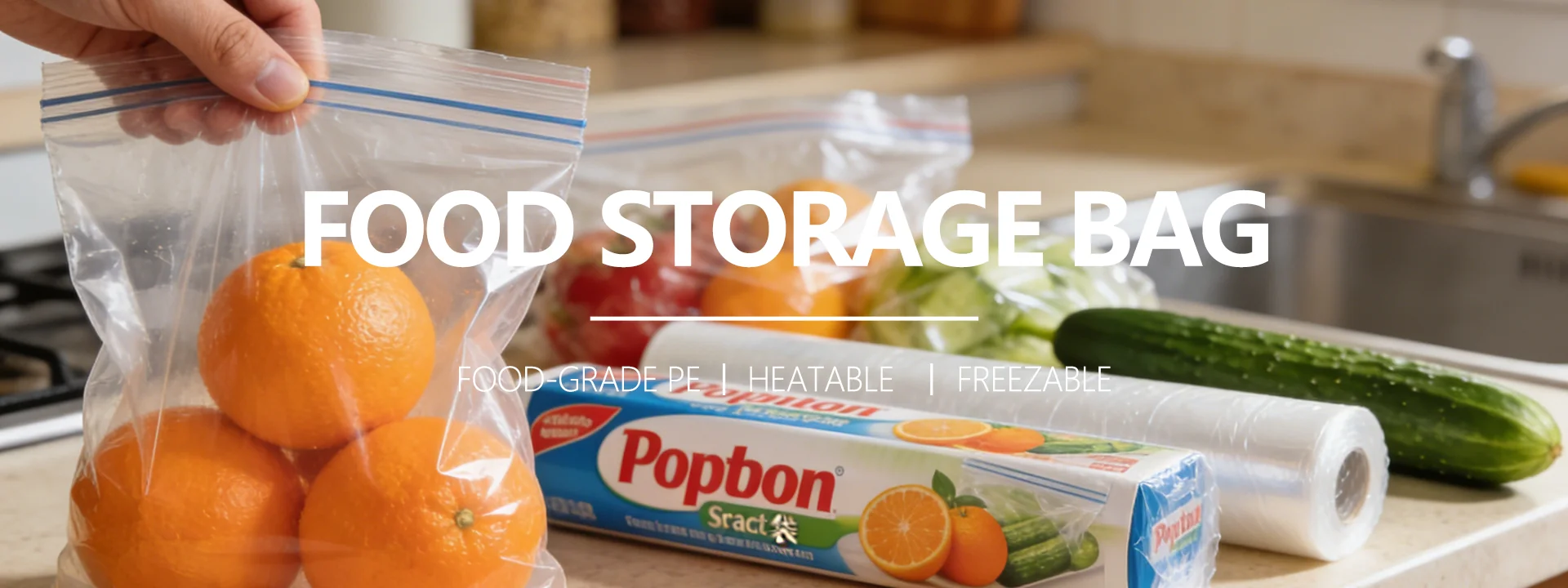
On the raw material side, the safety of food contact materials has become a key regulatory focus. Standards clearly require that cling wrap, ziplock bags, and other products in direct contact with food must use food-grade raw materials, and set lower limit values for indicators such as plasticizers and total migration. This trend is forcing upstream suppliers to accelerate raw material upgrades, promoting the entire supply chain toward higher standards.
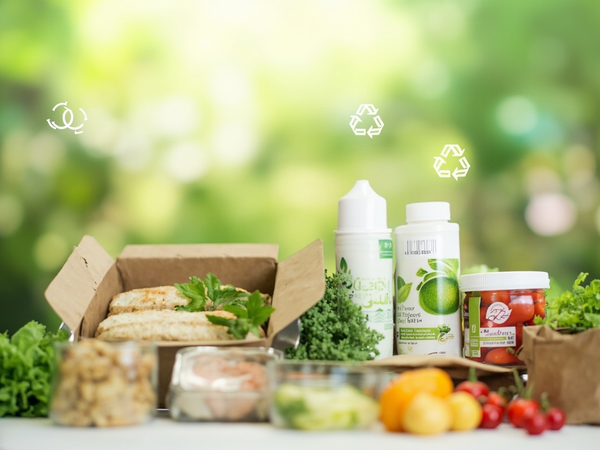
At the technical level, functional plastic wrap with anti-fog treatment, puncture resistance, and re-sealable features has gradually become the market mainstream. The rapid development of cold chain logistics has raised higher requirements for frozen food packaging, with demand for cold-resistant and damage-resistant packaging materials growing significantly. At the same time, the pilot application scope for biodegradable materials and recycled plastics continues to expand.
Industry analysis believes that regulatory upgrades will bring compliance cost pressure to enterprises in the short term, but in the long run will raise industry barriers, eliminate non-compliant enterprises, and benefit market concentration and technological innovation. Enterprises that have early deployed food-grade certification and standardized production processes will have a competitive advantage.
For food packaging enterprises, closely monitoring regulatory developments, strengthening raw material compliance management, and establishing a comprehensive quality traceability system will be core priorities in the period ahead.