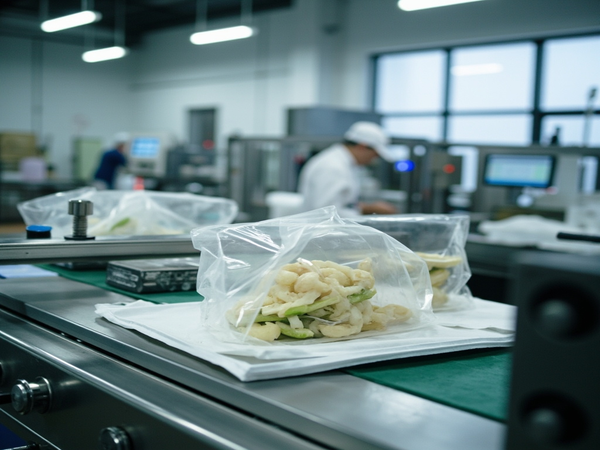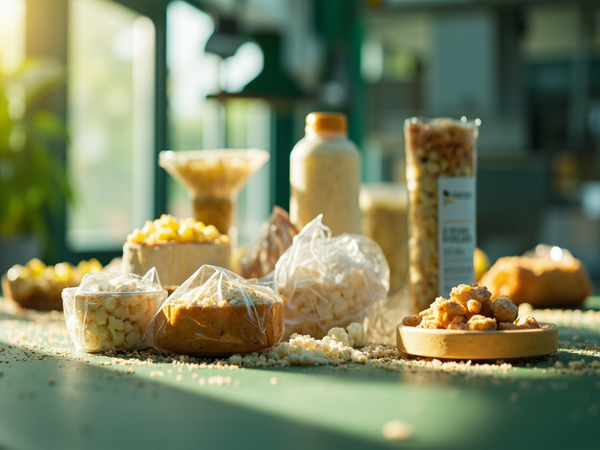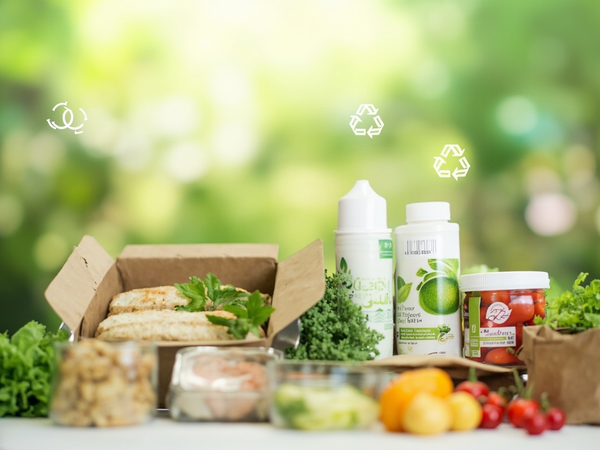
As global environmental awareness continues to rise, the food packaging industry is undergoing a profound material transformation. Traditional plastic packaging faces mounting pressure for replacement, while sustainable packaging solutions represented by bio-based materials and biodegradable plastics are rapidly emerging as a new direction for industry development.
Biodegradable Materials Achieve Technical Breakthroughs, Costs Decline Year Over Year
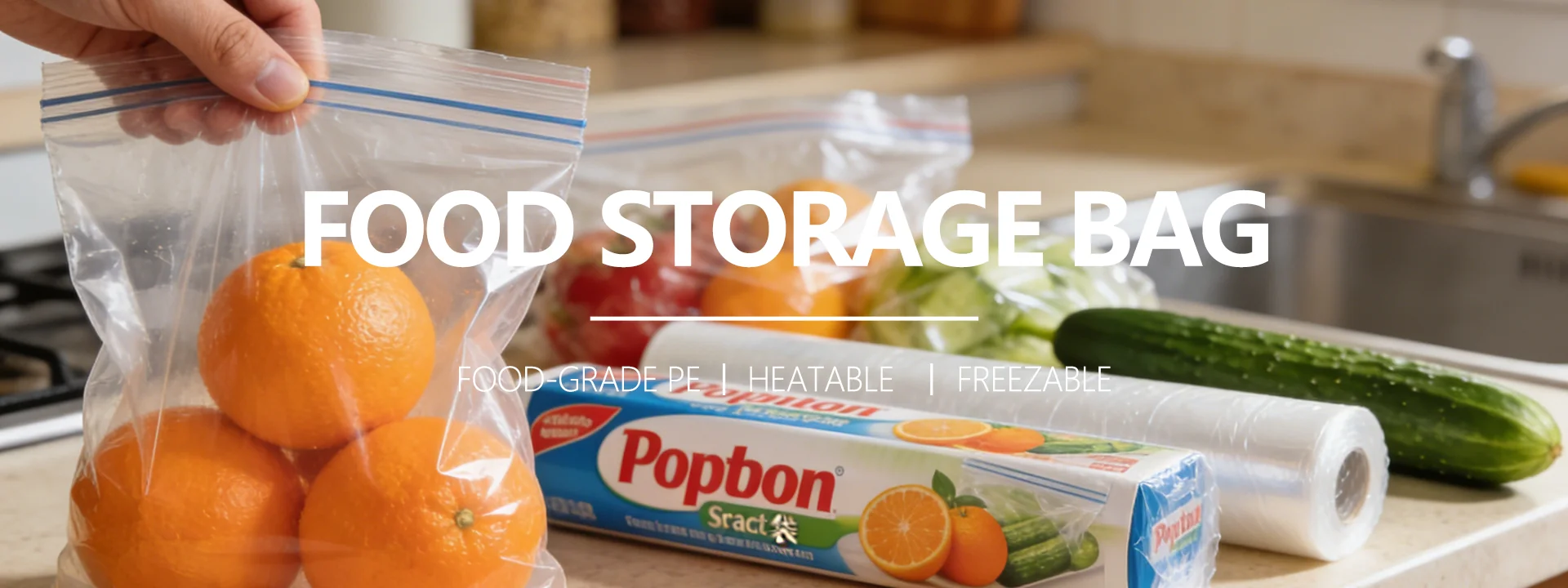
Over the past five years, production costs for biodegradable materials such as PLA (polylactic acid) and PBAT have decreased by approximately 40%, primarily benefiting from expanded production scale and maturing process technologies. Taking PLA as an example, its performance has progressively expanded from early single-use disposable tableware applications to higher-requirement packaging fields such as food cling films and ziplock bags.
Food-Grade Safety Standards Become Increasingly Stringent
Countries continue to strengthen safety supervision of food contact materials. China has explicitly established special testing standards for biodegradable materials in its National Food Safety Standard - General Safety Requirements for Food Contact Materials and Products. This means suppliers must possess more comprehensive testing capabilities and quality traceability systems.
Broad Market Prospects
According to industry research institutions, the global sustainable food packaging market is projected to exceed $45 billion by 2028, with a compound annual growth rate maintained above 6%. Among these, the Asia-Pacific region will become the fastest-growing market, bringing rare development opportunities for Chinese food packaging enterprises.
For food packaging enterprises, capturing the window period of sustainable material transformation and accelerating product structure optimization and technology reserves will be key to future competition.