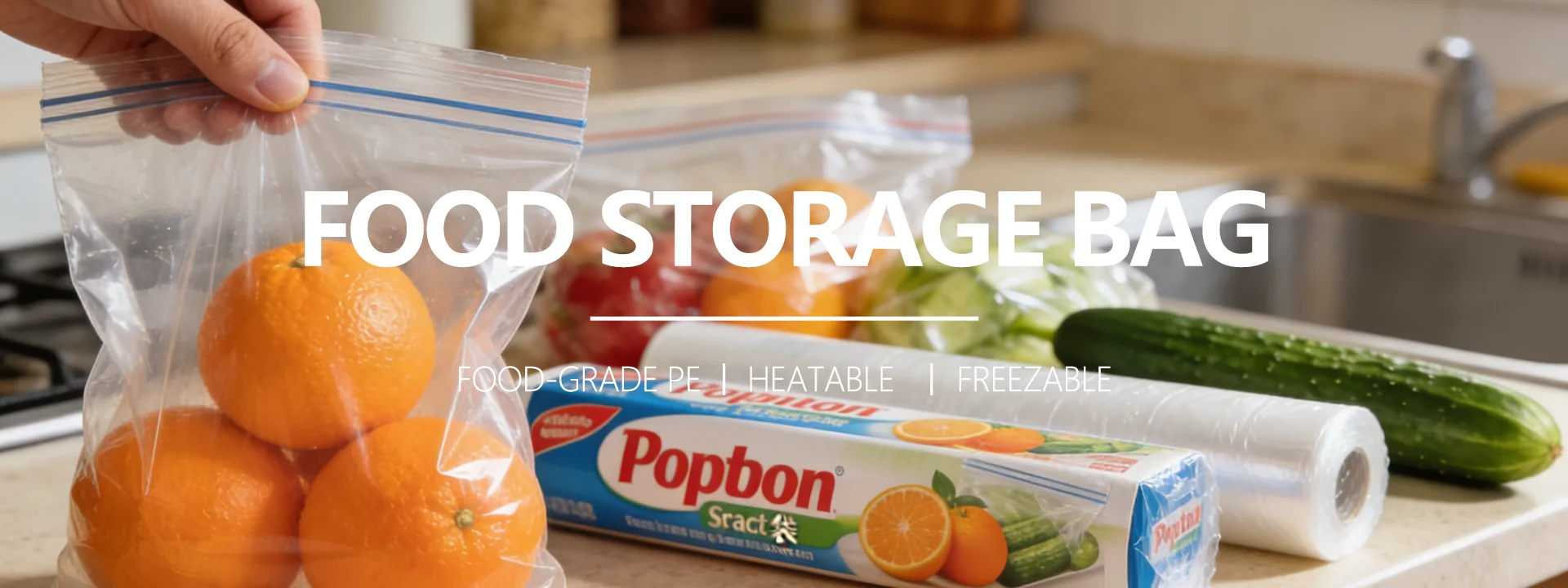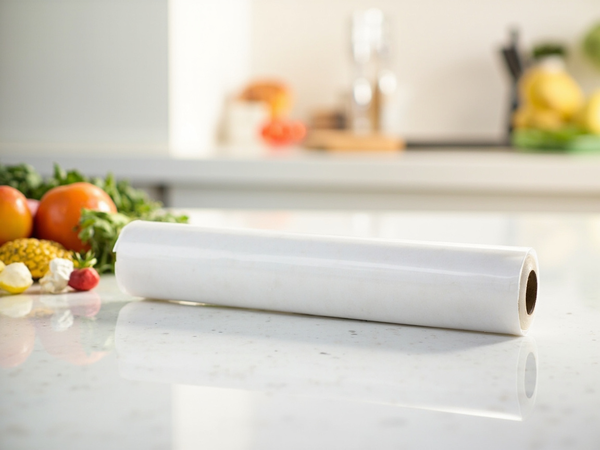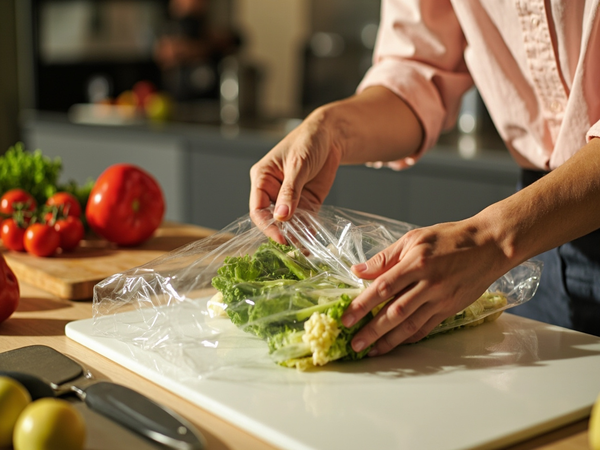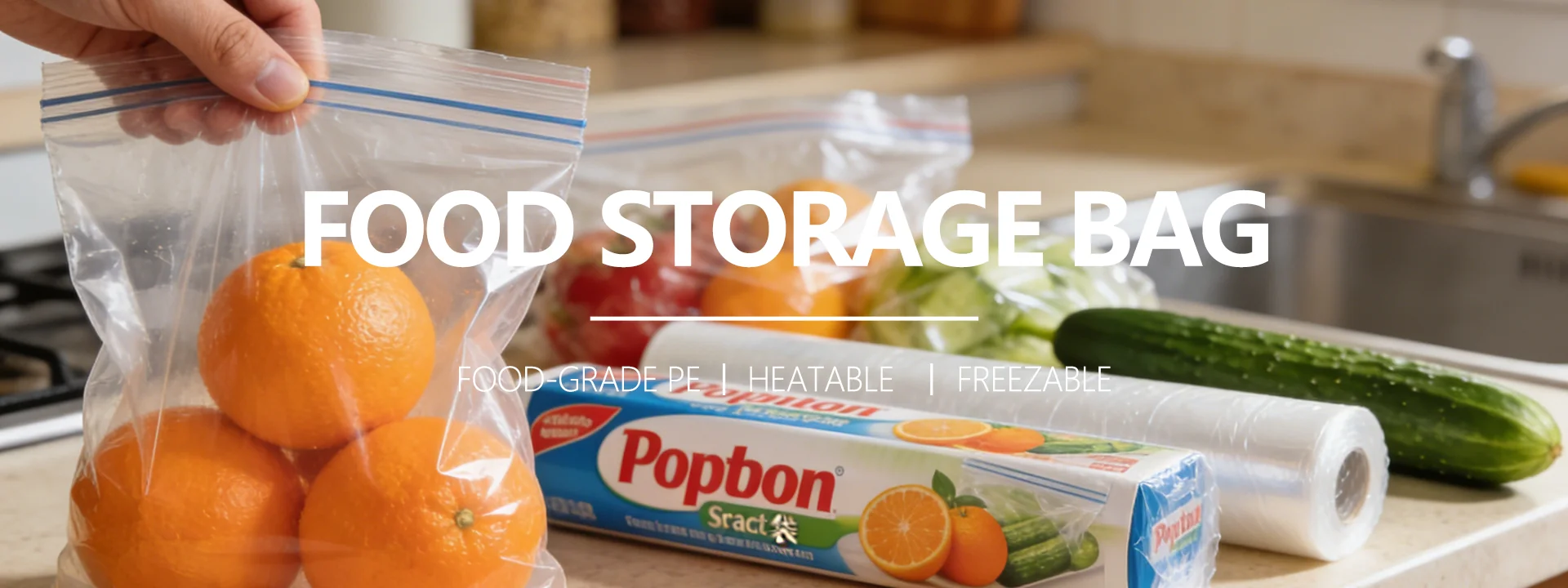
PE cling wrap is an essential item in every household kitchen, but many people don't know how to use it correctly. Today, we're sharing some tips on how to use PE cling wrap properly to help you preserve food better.
Choose the Right Cling Wrap
The main materials for cling wrap on the market are PE, PVC, and PVDC. Among them, PE material is the safest and most commonly used food-grade cling wrap. It contains no plasticizers and can be in direct contact with food. We recommend using PE cling wrap for household purposes.
Proper Usage Steps
1. Clean the Container Surface
Before using cling wrap, make sure the container or food surface is dry and clean. Moisture can cause bacteria growth and shorten the freshness-preserving time.
2. Don't Seal Completely
Many people habitually wrap food tightly with cling wrap, but this is actually incorrect. Over-sealing will prevent food from breathing, causing odors. The correct approach is to leave a small gap to allow slight ventilation for the food.
3. Avoid Direct Contact with High-Fat Foods
PE cling wrap should not be used to wrap high-fat foods like meat and cheese for extended periods. The components in fats may react with the cling wrap.
Creative Uses for Cling Wrap
- Cling wrap can be used for microwave heating, but make sure there is sufficient distance between the wrap and the food
- Place a layer of cling wrap on your cutting board for easy cleanup after chopping
- Wrap your phone with cling wrap to prevent water damage on rainy days
Storage Suggestions
Store cling wrap in a cool, dry place away from direct sunlight. Use it as soon as possible after opening to ensure its freshness-preserving effectiveness.
Using cling wrap correctly not only extends the freshness of your food but also avoids unnecessary health risks. We hope today's sharing is helpful to you!