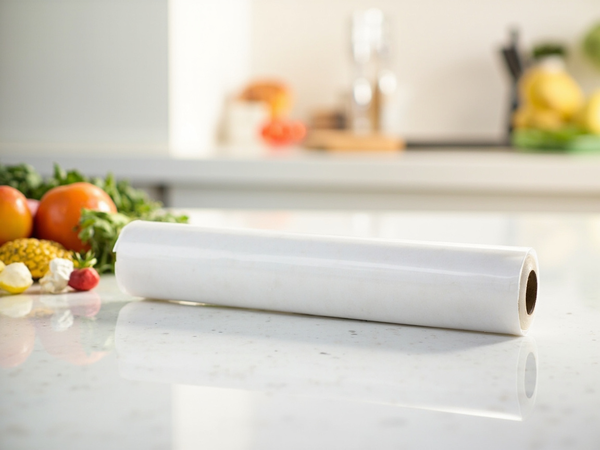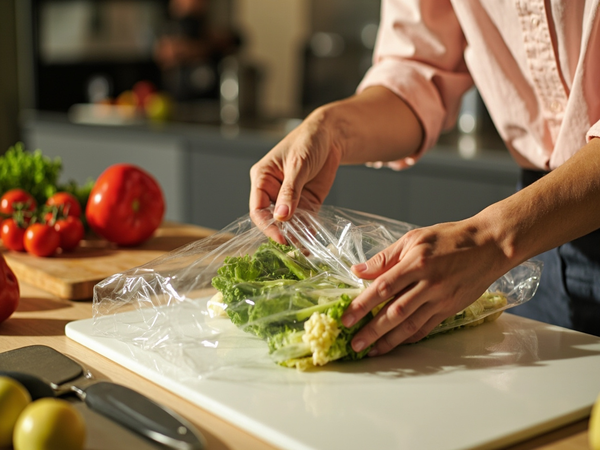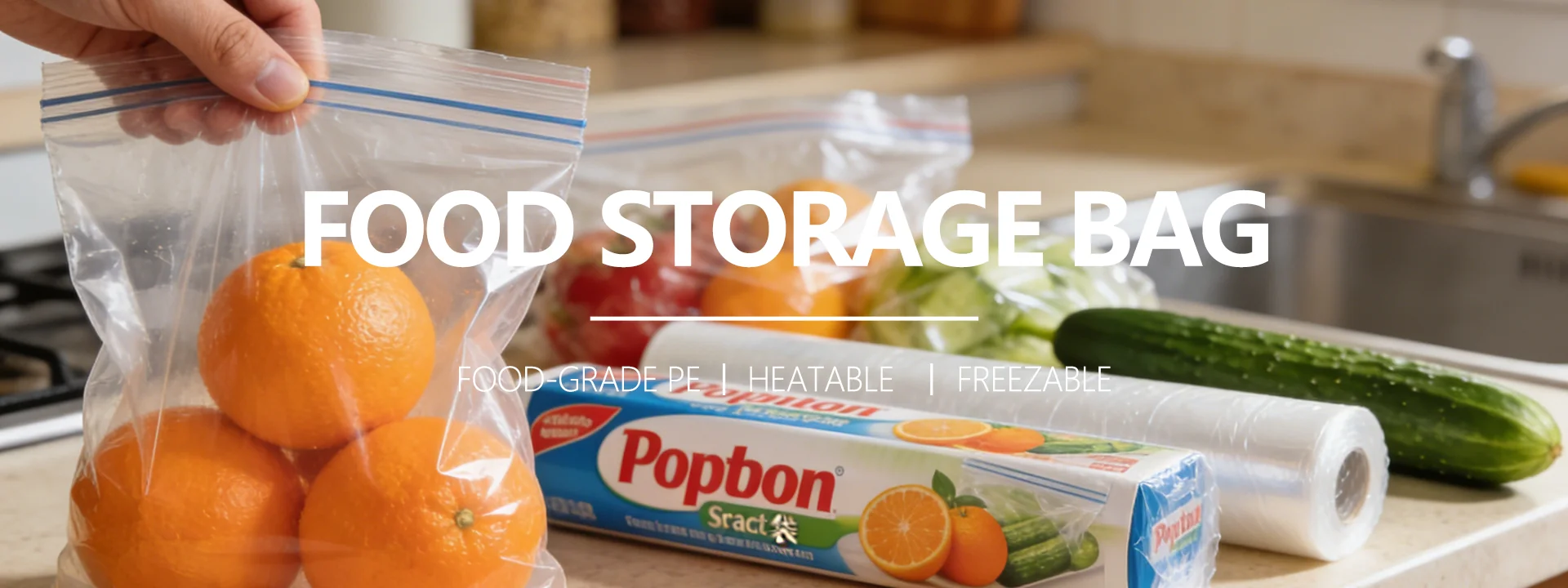
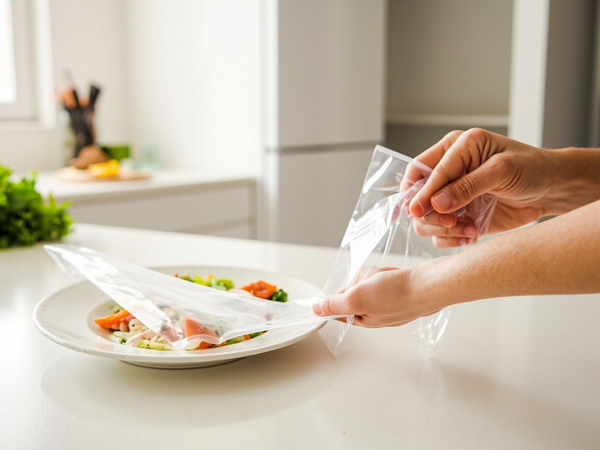
PE cling wrap is a commonly used food packaging material in our daily life, but do you know how to use it correctly? Improper use can not only fail to preserve food but may also affect food safety.
1. Material Selection for Cling Wrap
The cling wrap available on the market is mainly divided into PE (polyethylene) and PVC (polyvinyl chloride) materials. It is recommended to prioritize PE cling wrap because it does not contain plasticizers and is more suitable for direct food contact.
2. Common Misconceptions About Cling Wrap
Misconception 1: Covering Hot Food Directly
Many people are accustomed to covering hot dishes with cling wrap and putting them directly in the refrigerator. This is incorrect. High temperatures can cause the cling wrap to shrink and may release harmful substances. The correct approach is to let the dish cool to room temperature before covering it with cling wrap.
Misconception 2: Direct Contact with Oily Foods
Oil can accelerate the migration of chemicals from the cling wrap. It is recommended to first place a paper towel or napkin between the food and the wrap before covering.
Misconception 3: Reusing Cling Wrap
Cling wrap is a single-use product. Reusing it can lead to bacterial growth and loss of preservation effectiveness.
3. Correct Usage Tips
1. Refrigerator Storage: Place food in a storage container or plate, cover with cling wrap, then store in the refrigerator
2. Microwave Heating: Confirm the cling wrap is labeled "microwave safe" and do not let it directly contact the food
3. Covering Bowls and Plates: Ensure there is adequate space between the cling wrap and food for proper air circulation
4. Storage Precautions
- Avoid direct sunlight
- Keep away from high-temperature environments
- Store in a dry place
Mastering the correct use of cling wrap can extend food freshness while ensuring your family health and safety.