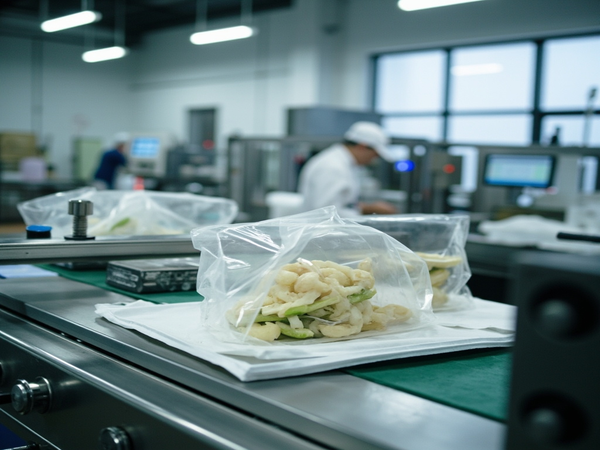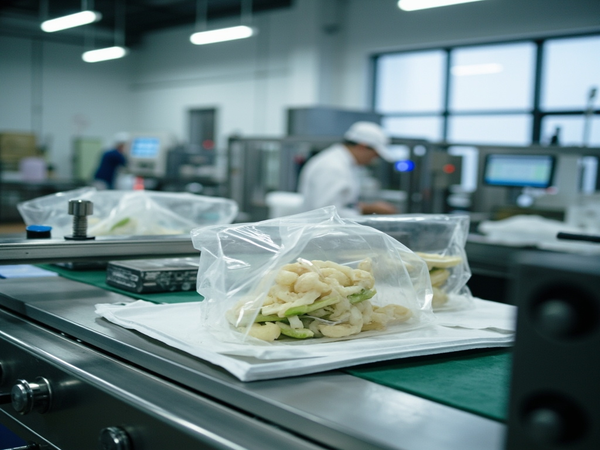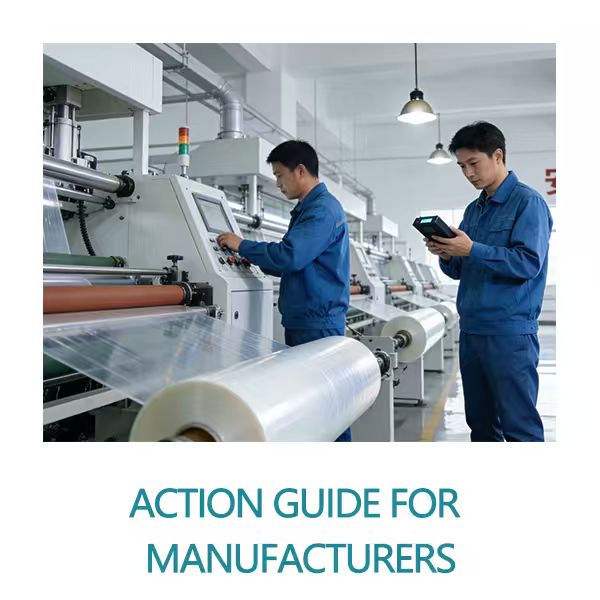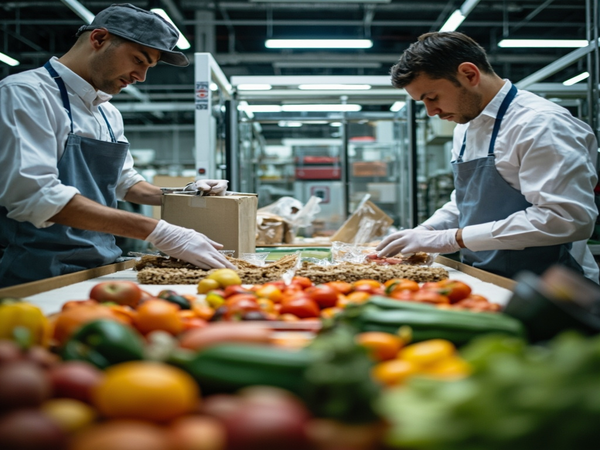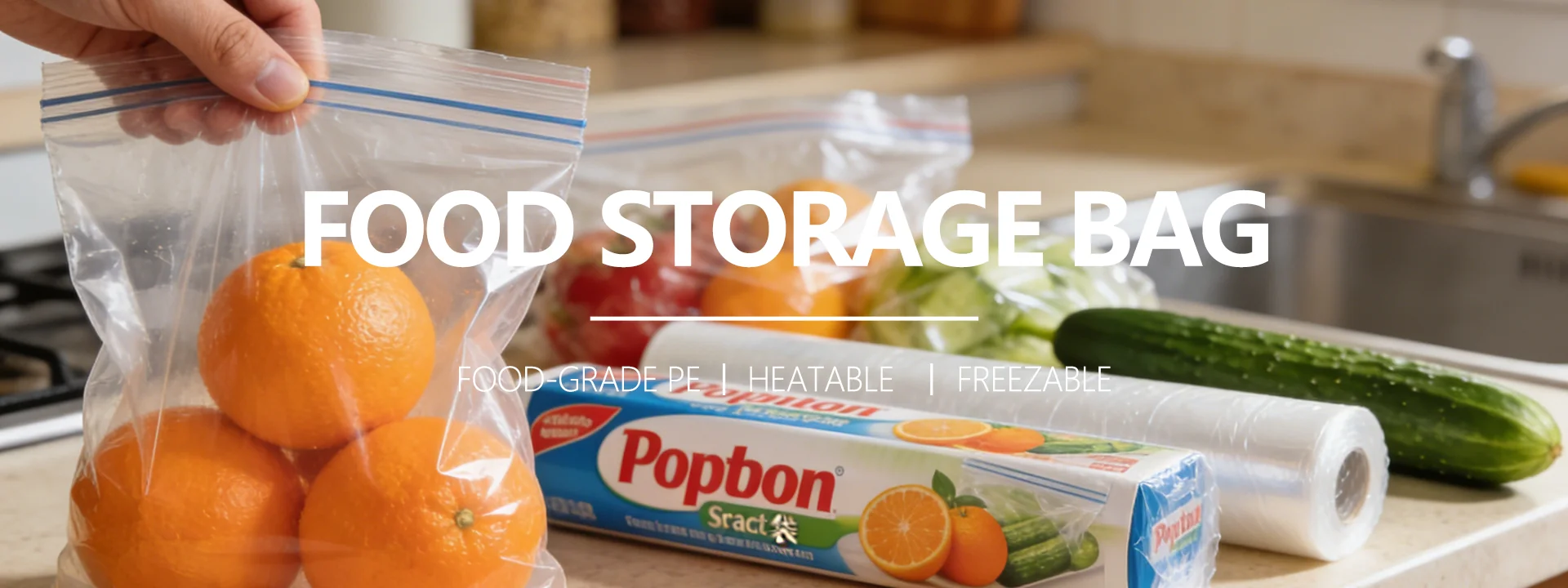
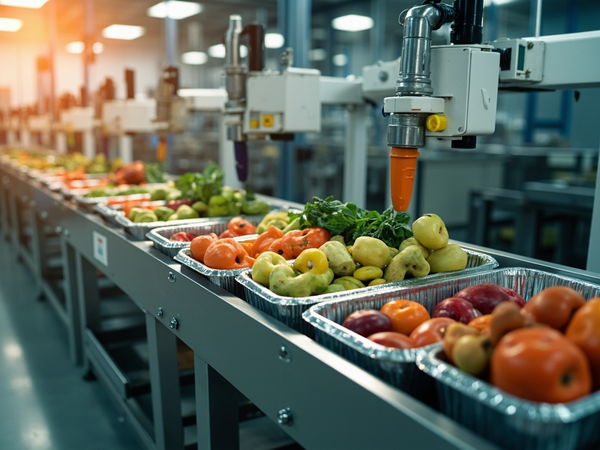
With the rapid development of IoT and big data technologies, smart packaging is becoming a new trend in the food industry. By embedding sensors and tracking systems into packaging, food companies can monitor products throughout the entire process from production to delivery in real-time, ensuring food safety and quality stability.
The core value of smart packaging is reflected in three aspects: First, improved traceability - consumers can scan the QR code on packaging to learn about production date, origin, and transportation route; Second, optimized preservation - some smart packaging can sense food status and automatically adjust the preservation environment; Third, anti-counterfeiting tracking - effectively combating counterfeit products.
Industry experts point out that the current cost of smart packaging remains relatively high, and its application in the mid-to-low-end food sector still needs time. However, with technology maturation and economies of scale, the penetration rate of smart packaging is expected to increase significantly in the next three to five years. For food packaging companies, early deployment of smart packaging technology will be the key to winning future competition.
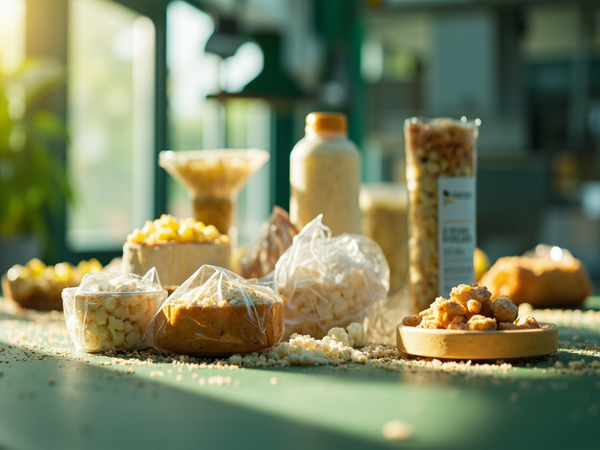
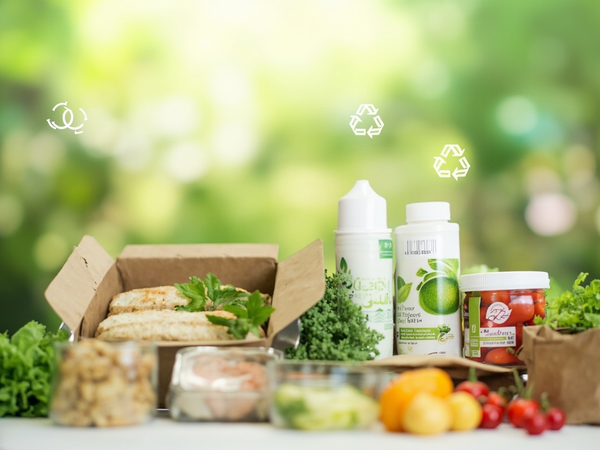
From a materials perspective, the combination of biodegradable materials and smart sensing technology is an important development direction. This new type of packaging not only meets environmental protection requirements but also provides richer interactive experiences and data collection functions, supporting digital marketing for food companies.