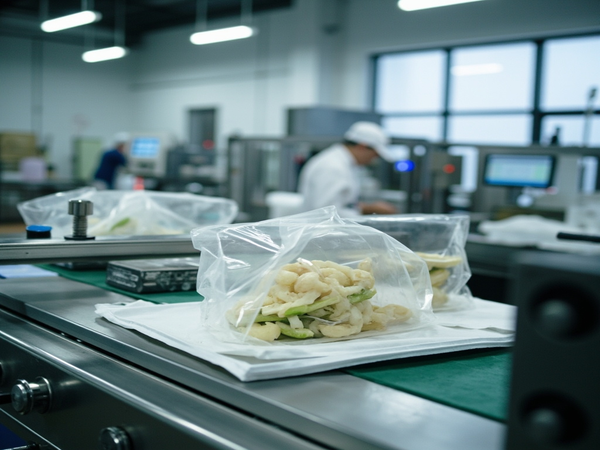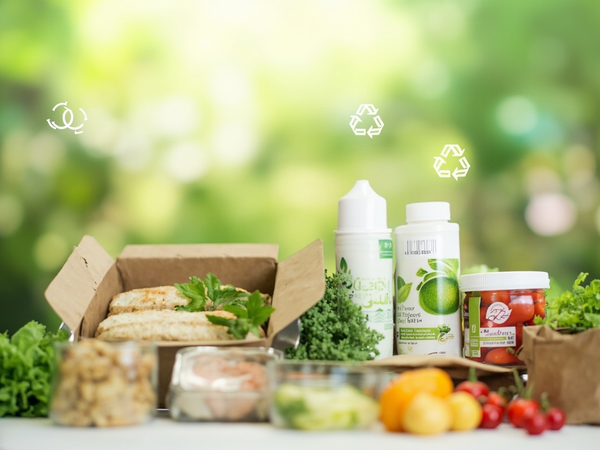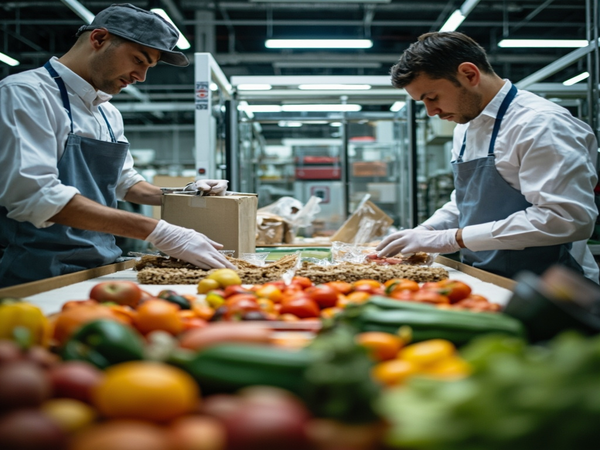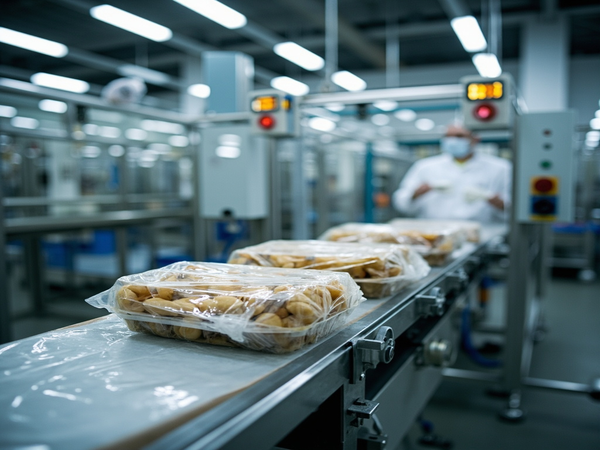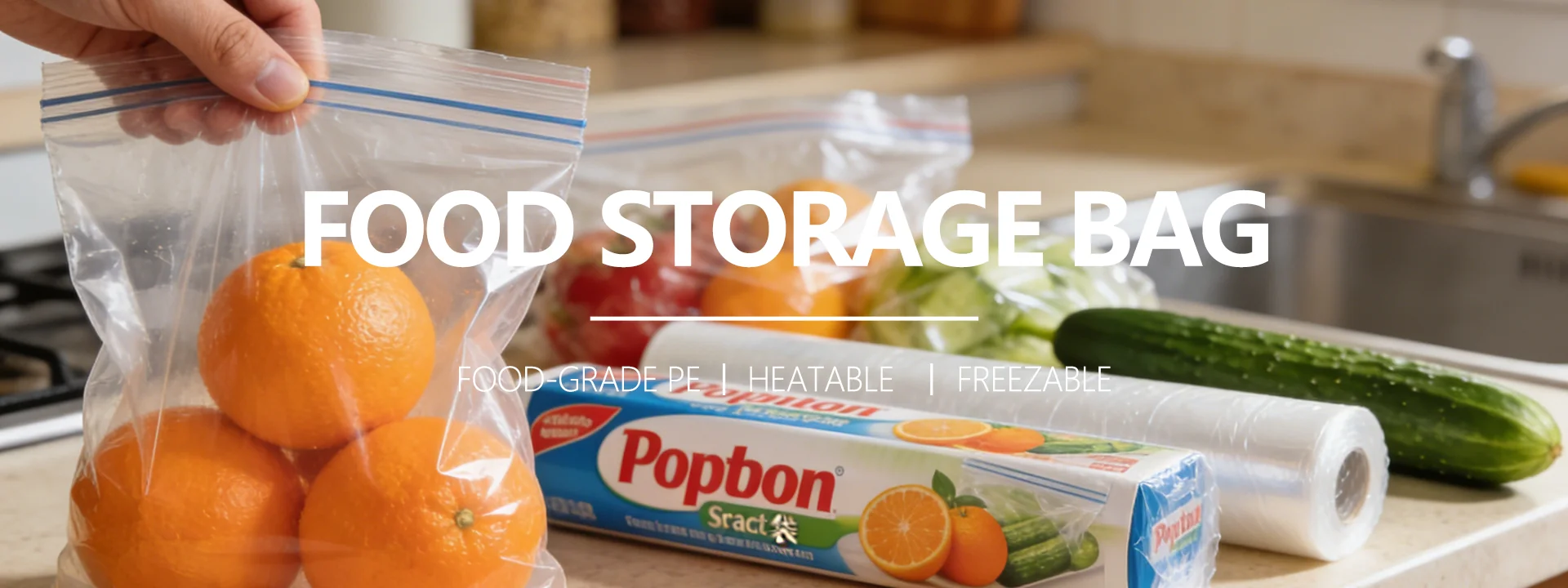
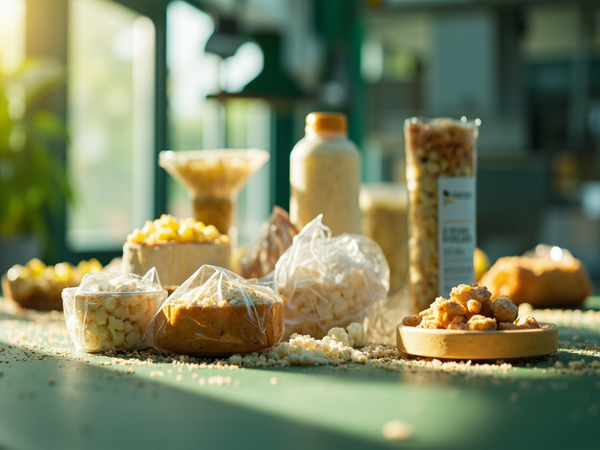
With the growing global awareness of environmental protection, the food packaging industry is undergoing a green revolution. Bio-based materials, as a renewable and biodegradable packaging solution, are gaining increasing attention and adoption from businesses worldwide.
Bio-based materials are primarily sourced from natural plant resources such as corn starch, sugarcane fiber, and bamboo. Compared with traditional petroleum-based plastics, these materials can be decomposed by microorganisms in the natural environment, effectively reducing white pollution issues. Currently, multiple countries and regions internationally have begun promoting the application of bio-based packaging materials.
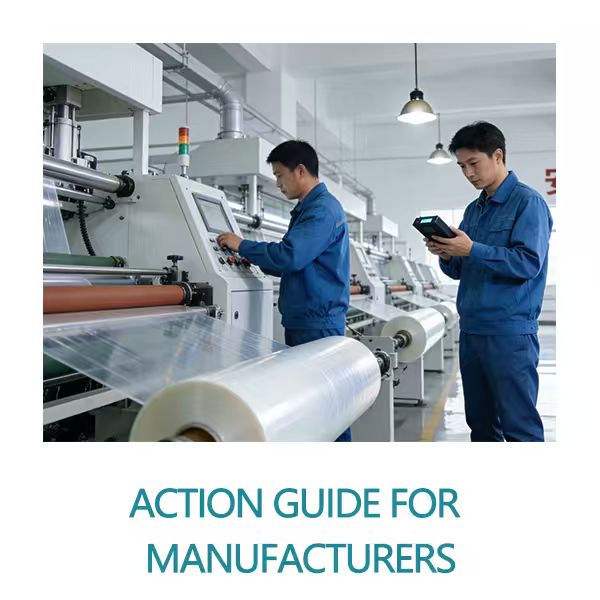
In the food packaging sector, PLA (polylactic acid) is one of the most mature bio-based materials. It offers excellent transparency, processability, and food safety characteristics, making it suitable for manufacturing cling wrap, disposable tableware, and other products. Additionally, starch-based degradable materials and PHA (polyhydroxyalkanoates) are also gradually moving toward commercial applications.
However, the large-scale promotion of bio-based materials still faces some challenges. First is the cost issue—the production cost of bio-based materials is typically 20%-50% higher than traditional plastics. Second is the performance limitation—bio-based materials still need further optimization in areas such as high temperature resistance and moisture resistance.
Nevertheless, with technological advancement and economies of scale, the cost of bio-based materials is gradually declining. The industry estimates that within the next five years, more mature bio-based packaging products will enter the market, providing new options for sustainable development in the food packaging industry.