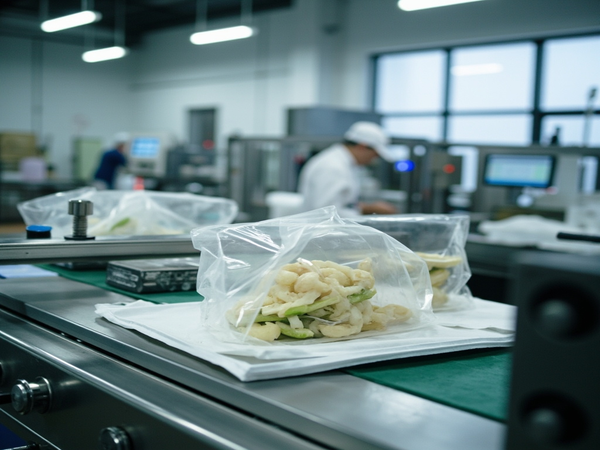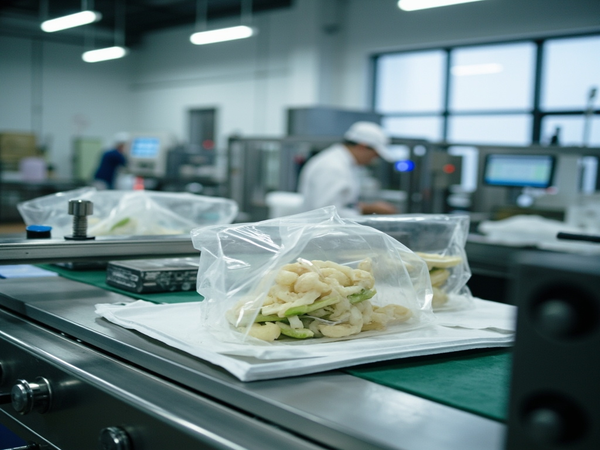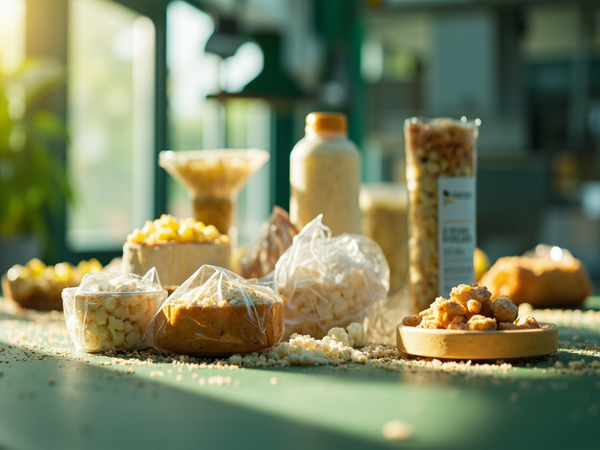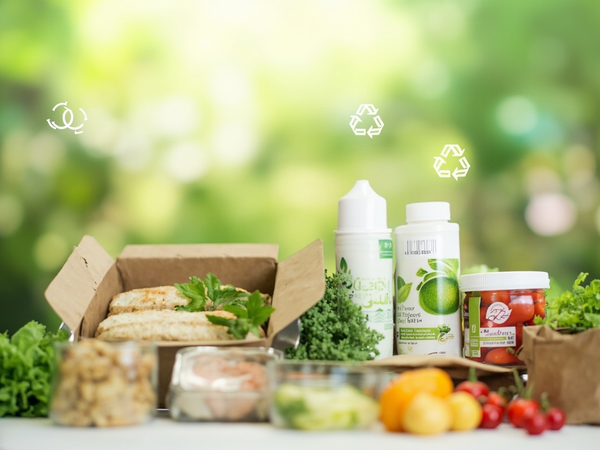
In recent years, bio-based materials have seen increasingly widespread application in the food packaging sector, becoming a key direction for the industry's green transformation. Primarily sourced from plant resources such as corn starch and sugarcane fiber, bio-based materials offer significant advantages over conventional petroleum-based plastics, including biodegradability and lower carbon footprints.
As consumer environmental awareness continues to rise and plastic restriction policies tighten worldwide, demand for bio-based materials is growing steadily. In practical applications, these materials are already being used to produce biodegradable cutlery, food containers, and cling films. Bio-based plastics represented by PLA (Polylactic Acid) are progressively replacing traditional plastic packaging.
It is worth noting that when bio-based materials are used for food-grade packaging, they must strictly comply with food safety standards. The materials themselves must not contain any chemicals harmful to human health, and must possess good barrier properties to prevent moisture and oxygen infiltration, ensuring food freshness during storage and transportation.
From a market perspective, the bio-based food packaging market is rapidly expanding. Industry reports indicate that the global bio-based packaging market is projected to grow at a compound annual growth rate exceeding 15%, with market size expected to exceed 10 billion USD by 2028. This growth is primarily driven by cost reductions from technological advancements and government support policies for the environmental industry.
As a professional food-grade packaging material supplier, Baodafor continues to monitor cutting-edge industry technologies and is committed to providing customers with high-quality eco-friendly packaging solutions. We closely track developments in bio-based material R&D and promptly recommend suitable product options to our customers.