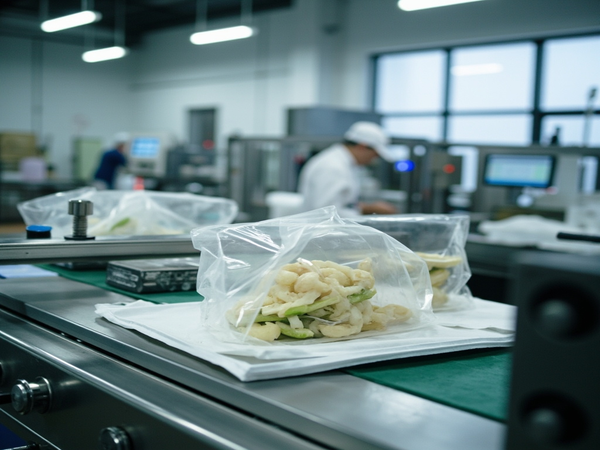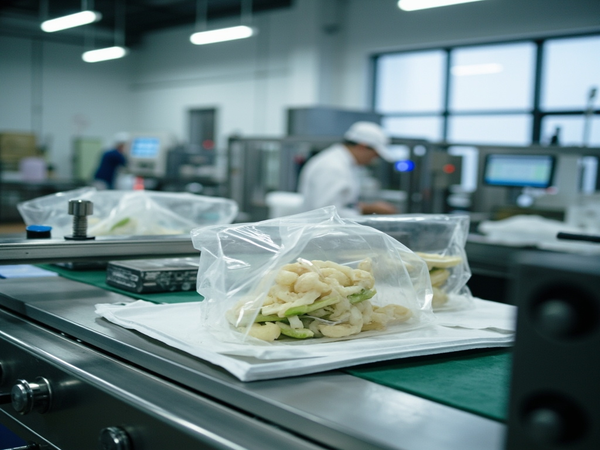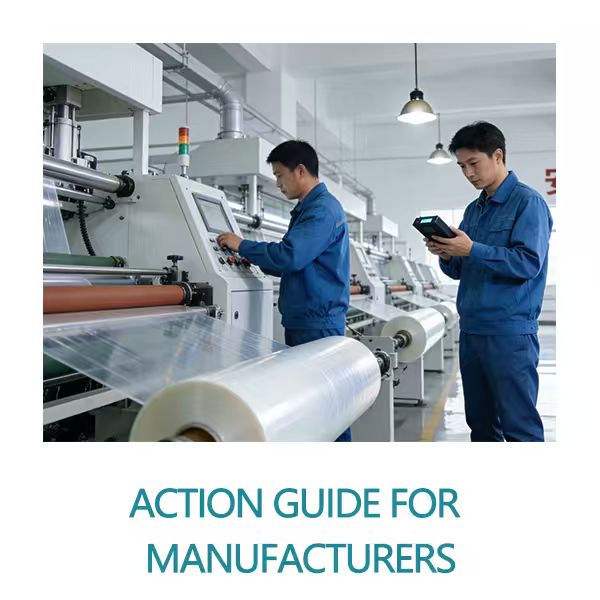
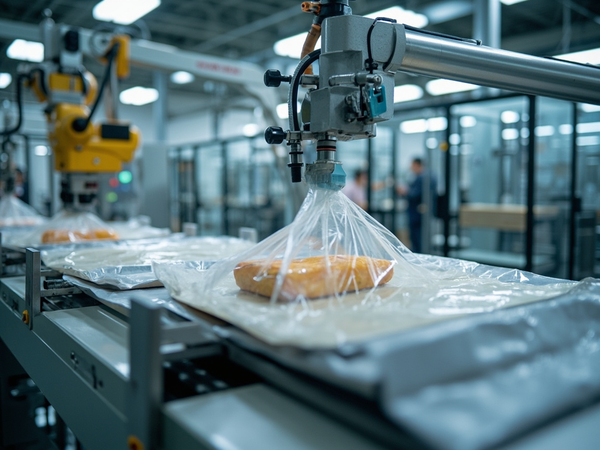
As labor costs continue to rise and consumer demands for food safety increase, the food packaging industry is accelerating its automation transformation. More and more companies are introducing intelligent packaging equipment to improve production efficiency and reduce the risk of human contamination.
According to industry reports, the automated packaging equipment market has maintained an average annual growth rate of 15% over the past three years. In food packaging areas such as cling wrap, ziplock bags, and aluminum foil, fully automated packaging production lines have become the mainstream choice.
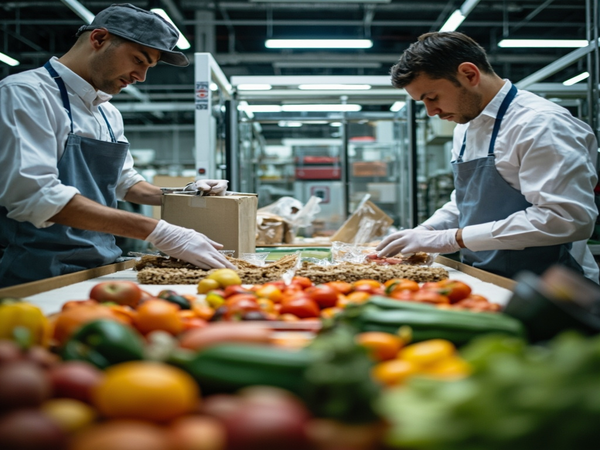
The advantages of automated equipment are not only reflected in efficiency improvements. In terms of food safety, machine operation can reduce human contact and lower the risk of cross-contamination. At the same time, automated equipment can achieve more precise packaging specification control and improve product consistency.
For food packaging companies, introducing automated equipment requires comprehensive consideration of initial investment costs, production line renovation cycles, and operator training factors. However, in the long run, the efficiency improvements and cost savings brought by automation transformation will significantly enhance enterprise competitiveness.