PE Cling Wrap: The Secret Weapon for Kitchen Food Preservation | Expert Tips
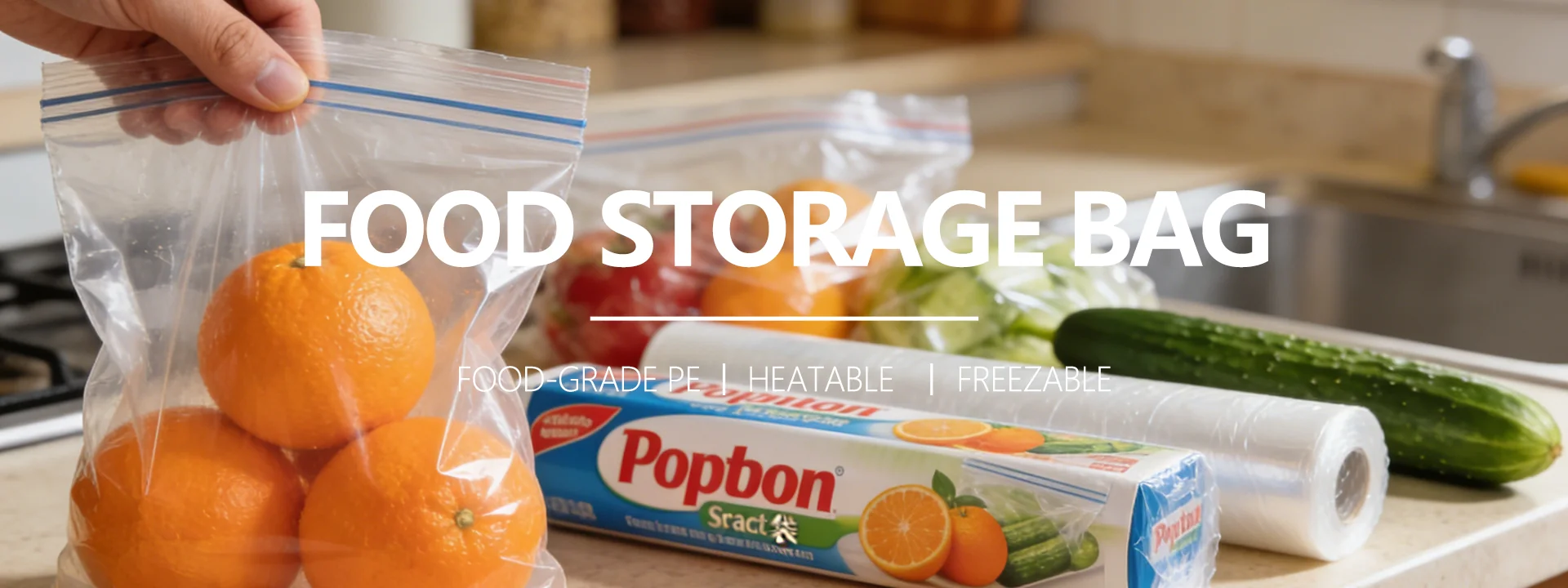
In modern home kitchens, PE cling wrap is an indispensable helper for food preservation. However, many people have misconceptions about using PE cling wrap, which not only affects preservation effectiveness but may also cause waste. This article shares 5 practical tips for using PE cling wrap to help you better preserve food.
1. Choose the Right Type of Cling Wrap
The market mainly offers two types of cling wrap: PE (polyethylene) and PVC (polyvinyl chloride). PE cling wrap is food-grade material, safe and non-toxic, suitable for direct food contact. PVC cling wrap contains plasticizers and is not recommended for packaging directly edible food. When purchasing, look for products labeled "food-grade" or "PE".
2. Proper Wrapping Method: Double the Preservation Effect
Many people simply cover food with a layer of cling wrap, but the correct approach is:
- Clean the food surface before wrapping, remove excess moisture
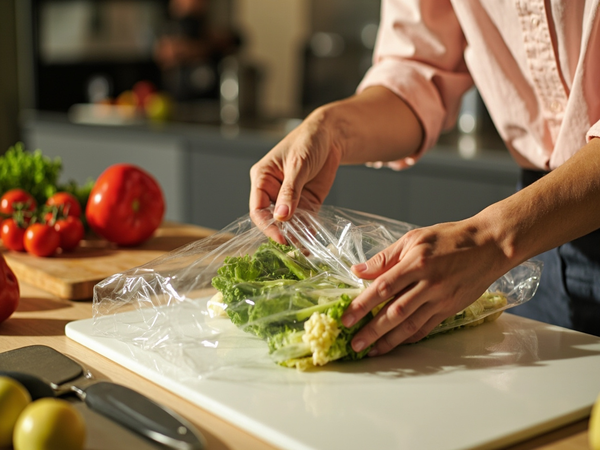
- Gently press from the inside of the cling wrap to expel air and form a tight seal
- For containers with wide openings, first cover with one layer of cling wrap, then wrap another layer for reinforcement
This creates a tight seal between the cling wrap and food surface, blocking air and extending freshness.
3. Microwave Heating Precautions: Not All Cling Wrap is Microwave-Safe
There are many misconceptions about whether cling wrap can be used in microwaves. In fact, only PE cling wrap clearly labeled "microwave-safe" should be used for microwave heating. Regular PE cling wrap may soften or deform at high temperatures. It is recommended to use microwave-safe lids or microwave-specific cling wrap.
When using in the microwave, keep the cling wrap at a distance from the food surface, and poke a few small holes with a toothpick to allow steam to escape, preventing the cling wrap from expanding due to steam buildup.
4. Creative Uses Beyond Food Preservation
In addition to regular food preservation, PE cling wrap has many unexpected uses:
- Preventing seasoning bottle leaks: After tightening the bottle cap, wrap a layer of cling wrap, then screw the cap on to effectively prevent liquid leaks
- Protecting kitchen appliances: Wrap a layer of cling wrap over remote controls, switches, etc., to prevent dust and grease
- Temporary repairs: When small cracks appear in plastic items at home, cling wrap can be wrapped around temporarily to prevent further cracking
5. Eco-Friendly Tips: How to Use Cling Wrap More Sustainably
As a single-use plastic product, PE cling wrap does have some environmental concerns. For more sustainable use:
- Reuse: For cling wrap that has not directly contacted high-risk foods like raw meat, clean and reuse 1-2 times
- Alternatives: For reusable containers, prioritize silicone food storage bags or glass containers
- Proper disposal: Place used cling wrap in bins marked for recyclable plastics
Conclusion
PE cling wrap may seem simple, but there are many skills involved in its use. Mastering these 5 tips can not only effectively extend food freshness but also avoid unnecessary waste. If you have more food preservation tips or experiences to share, feel free to leave a comment below.