The global food packaging industry is undergoing a profound transformation as environmental awareness continues to rise. Traditional plastic packaging faces mounting pressure from tightening regulations and growing consumer resistance, while biodegradable materials such as PLA (polylactic acid) and PBAT are rapidly emerging as the industry's new growth driver.
According to industry research, the global food packaging market surpassed $350 billion in 2025, with eco-friendly packaging's share rising from 12% five years ago to 28% today. Following the full implementation of the EU's single-use plastic ban, demand for alternative products such as biodegradable cling wrap and compostable ziplock bags has grown at an annual rate exceeding 25%.
Domestically, the revised national food safety standard GB 4806.7 has introduced clearer safety requirements for food-contact biodegradable materials. Leading food companies have announced plastic-reduction timelines for their packaging, pushing upstream packaging suppliers to accelerate material conversion.
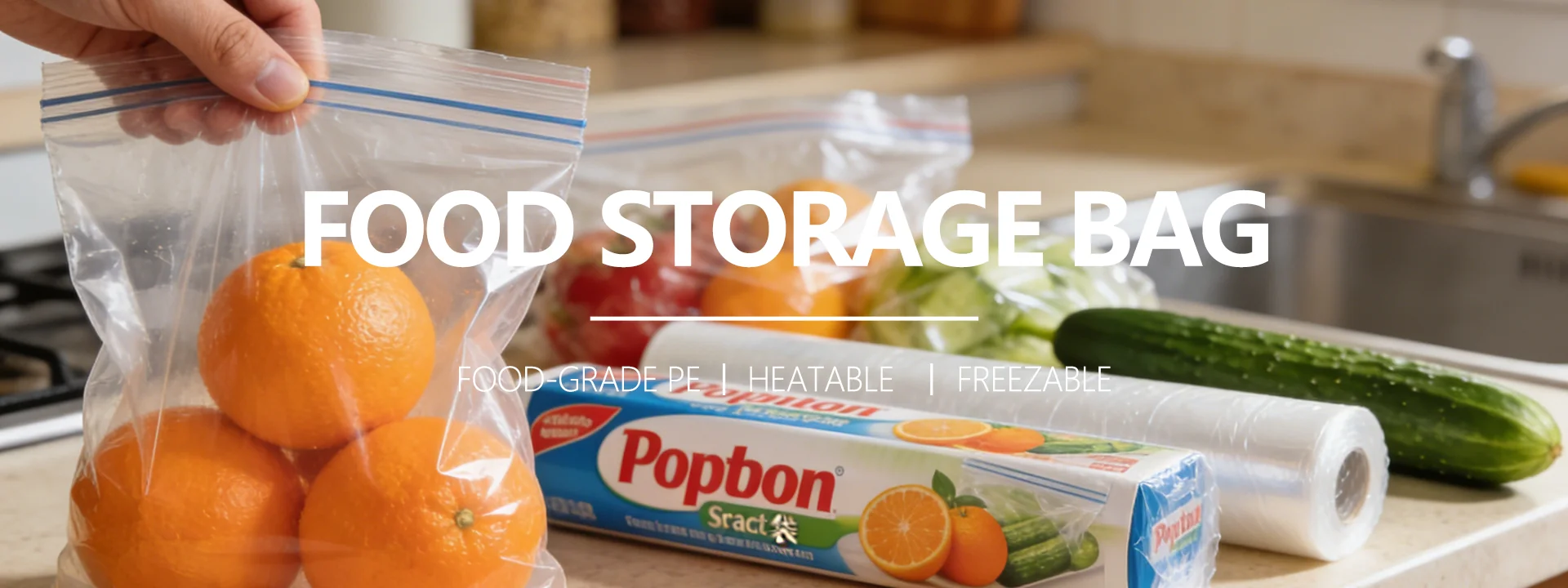
The shift toward biodegradability is particularly pronounced in cling wrap and ziplock bag products. Industry analysts project that 2026 to 2028 will mark a peak period for biodegradable food packaging capacity expansion, with improved technical maturity and economies of scale gradually reducing costs and further accelerating adoption.
For food packaging enterprises, proactively building production capacity for bio-based biodegradable materials represents not only regulatory compliance but also a strategic move to capture future market share.