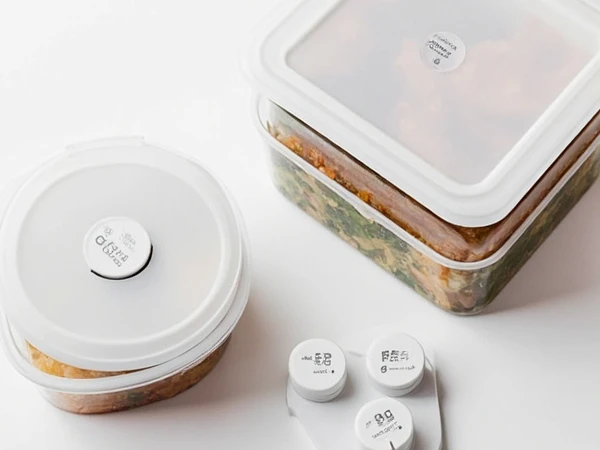
With the rapid development of IoT and sensing technologies, smart labels are progressively entering the food packaging sector. These labels embedded with micro sensors can monitor food freshness, temperature, and humidity changes in real time, transmitting data to mobile phones or management platforms through RFID or NFC technology. Consumers can simply tap the label with their phone to check whether food is still within its shelf life or requires low-temperature storage.
In fresh produce e-commerce and cold chain logistics, the value of smart labels is particularly significant. Traditional cold chains rely on manual temperature records with large errors and difficult traceability, while smart labels enable continuous full-process recording with tamper-proof data, substantially improving food safety assurance. Currently, companies in Japan, Europe, and the US have begun large-scale promotion of this technology, with chain brands like McDonald's and Walmart also piloting smart labels on meat and seafood products.
Industry insiders analyze that large-scale adoption of smart labels still faces cost and environmental challenges. Sensor costs remain high, and labels containing electronic components pose recycling difficulties, creating tension with the lightweight and biodegradable trends the packaging industry pursues. However, with advances in printed electronics, flexible sensor label costs are declining rapidly, and future competition with ordinary food labels on price seems increasingly likely.
Looking ahead, the deep integration of smart labels with food packaging will drive traceability and digital management across the entire supply chain. For food packaging enterprises, early layout of smart label business will help seize opportunities in industry transformation.