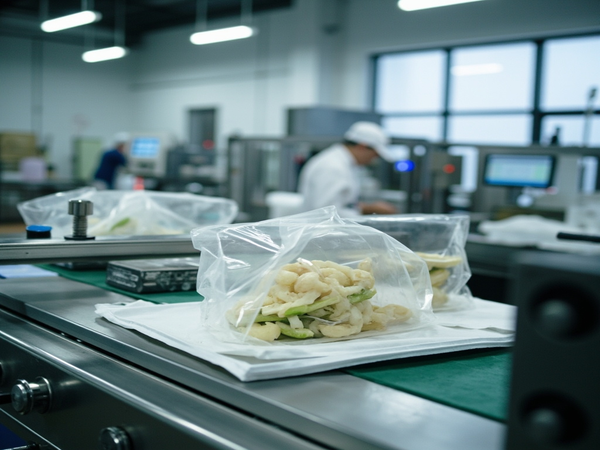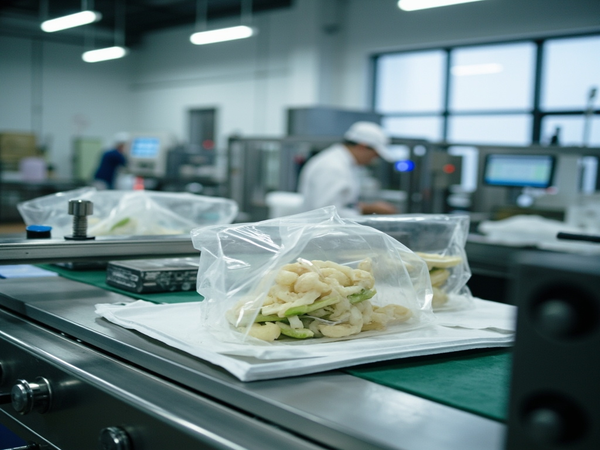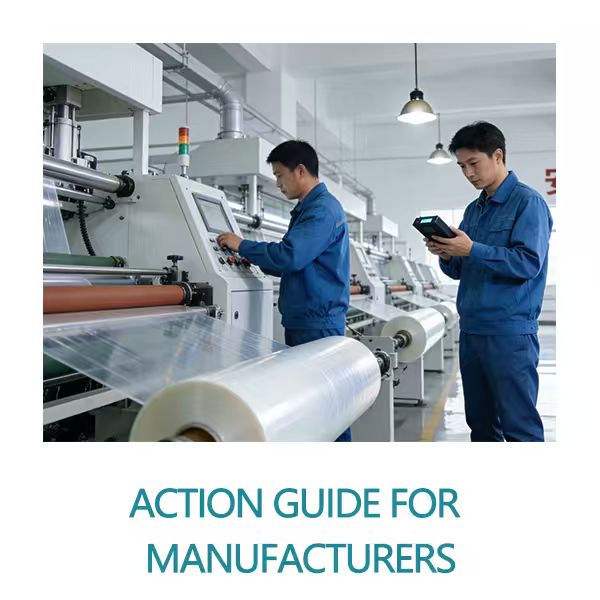

As the wave of digital transformation sweeps through the manufacturing sector, the food packaging industry is undergoing a profound transformation in its production models. According to multiple sources, domestic food packaging material companies have been consistently increasing investment in smart production lines in recent years, leveraging automated equipment and data management systems to enhance production efficiency and product quality.
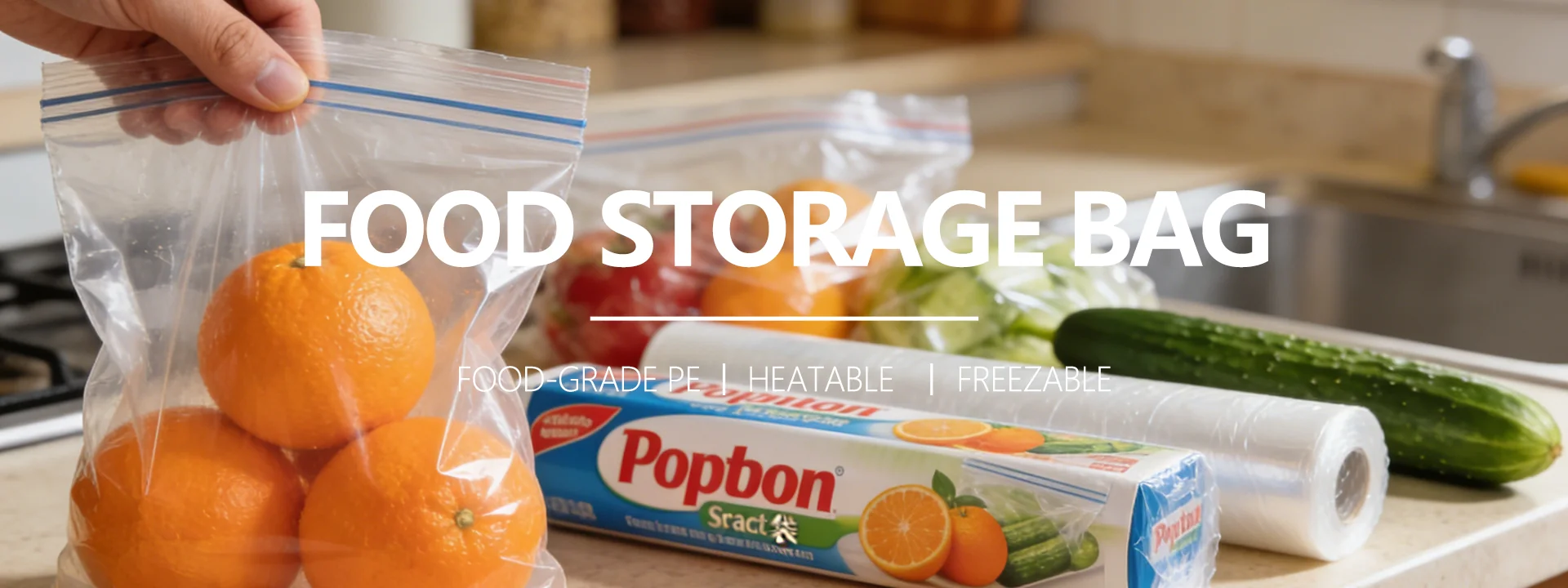
In the field of food packaging materials, the production of products such as cling wrap, ziplock bags, aluminum foil, and baking paper demands high standards of environmental cleanliness and process precision. Traditional manual operations not only limit efficiency but also make it difficult to ensure consistent product quality. Smart production lines address these challenges by incorporating precision coating equipment, automated quality control systems, and real-time data monitoring modules.
Industry analysis indicates that digital transformation extends beyond the production floor to supply chain management and warehouse logistics. Through deep integration of ERP systems with MES systems on production lines, companies can achieve full-process visual control from raw material warehousing to finished product delivery, significantly reducing inventory buildup and logistics losses.
It is particularly worth noting that smart production line applications also provide technical support for quality traceability of food-grade packaging materials. Each roll of cling wrap and each ziplock bag generates a unique code during the production process, with inspection data uploaded to cloud databases, enabling customers to access product batch information and quality reports at any time, enhancing trust and transparency.
Looking ahead, digital transformation in the food packaging industry will continue to deepen, providing consumers with safer and more reliable food protection solutions.