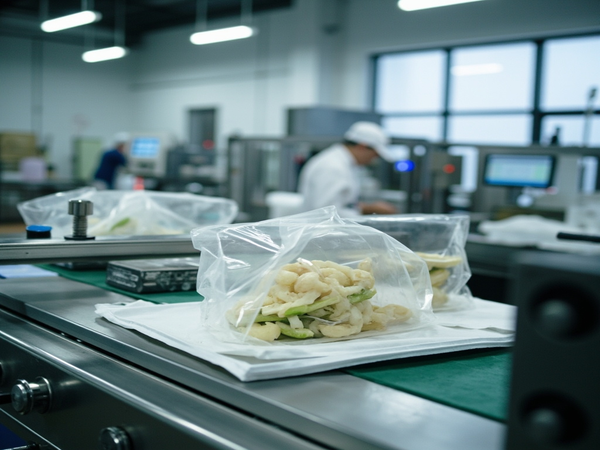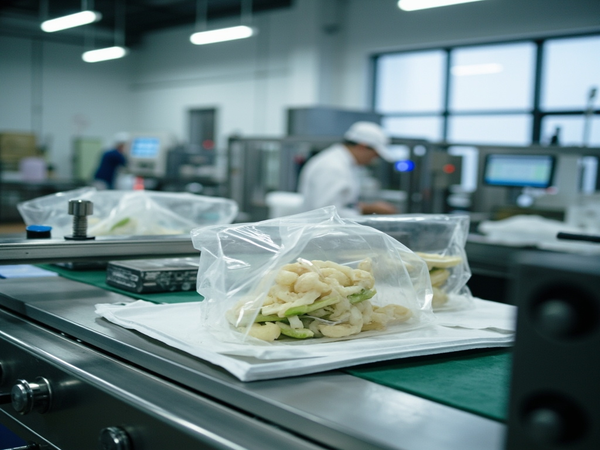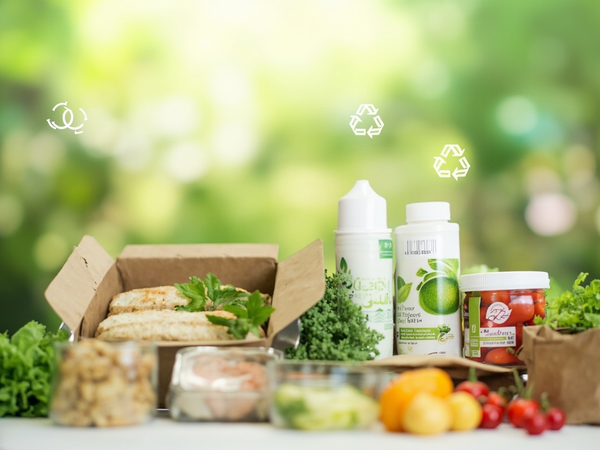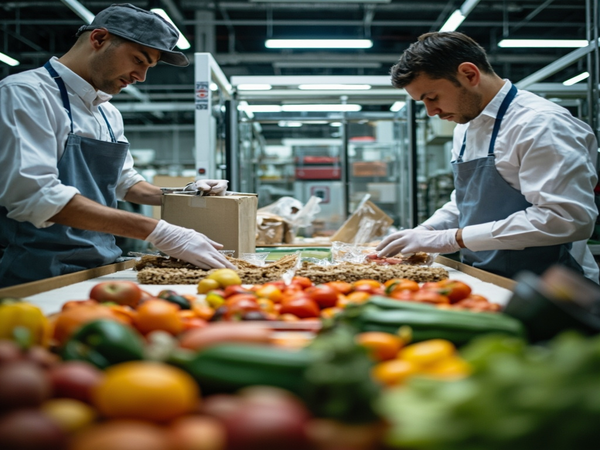
According to the new regulations, by the end of 2027, recycled plastics must account for more than 15% of plastic packaging used for direct food contact. The regulations also impose strict requirements on the source, classification, processing technology, and food safety performance of recycled plastics. Industry analysts believe this standard will exert considerable pressure on small and medium-sized packaging enterprises, as their raw material supply chains have not yet completed the green transition.
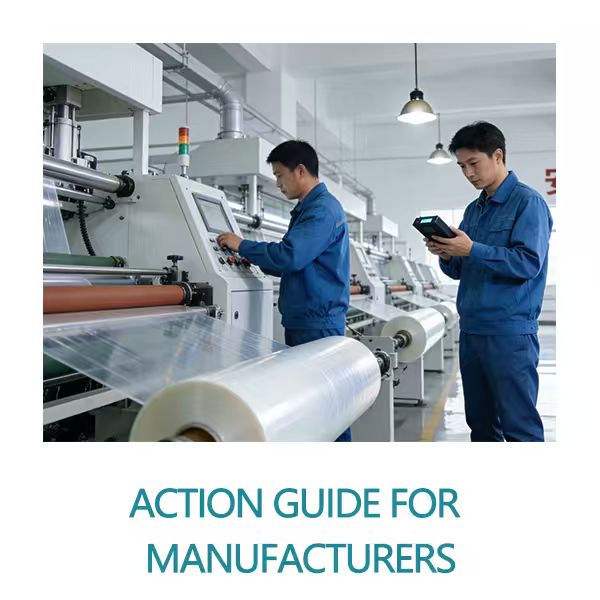
Against this backdrop, companies like Baodafor that have planned ahead are encountering new competitive opportunities. Baodafor New Materials Technology Co., Ltd. has been continuously investing in biodegradable materials and food-grade recycled plastic research and development since 2022, establishing a relatively complete green supply chain system. The company stated it will actively respond to national policy direction, continuously optimize its product structure, and provide customers with more environmentally friendly and safer food packaging solutions.
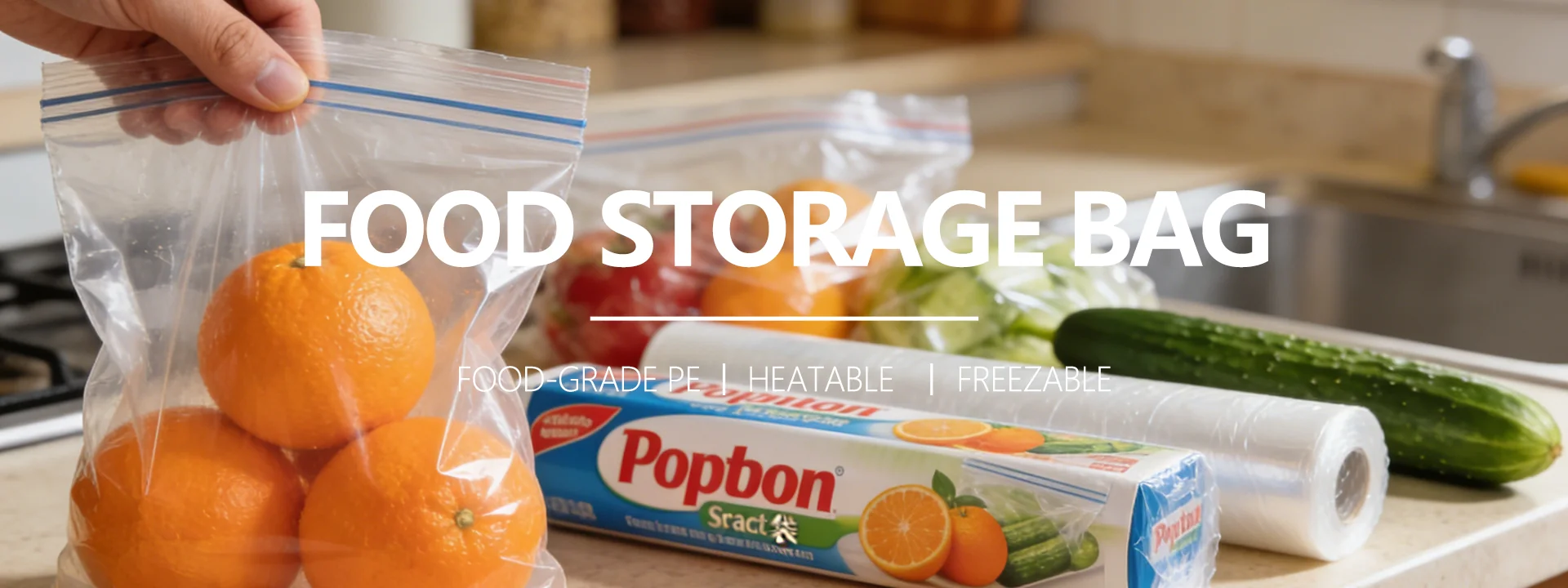
Notably, the implementation of the new regulations has also driven technological upgrades in the food packaging industry. Several leading enterprises have begun introducing bio-based polyethylene materials on product lines such as cling wrap and ziplock bags, significantly reducing carbon footprint while maintaining food-grade safety performance. Industry experts predict that over the next three to five years, the green transition of the food packaging industry will enter an acceleration phase, with new materials and technologies becoming a crucial component of enterprise core competitiveness.