As global environmental awareness continues to grow, China's food service industry is undergoing a profound packaging transformation. According to industry reports, China's biodegradable food packaging market exceeded 20 billion yuan in 2025, with projections indicating continued growth at an average annual rate of 18% through 2028.
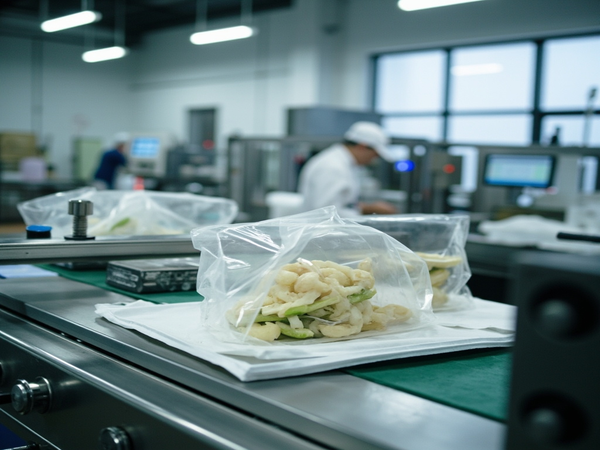
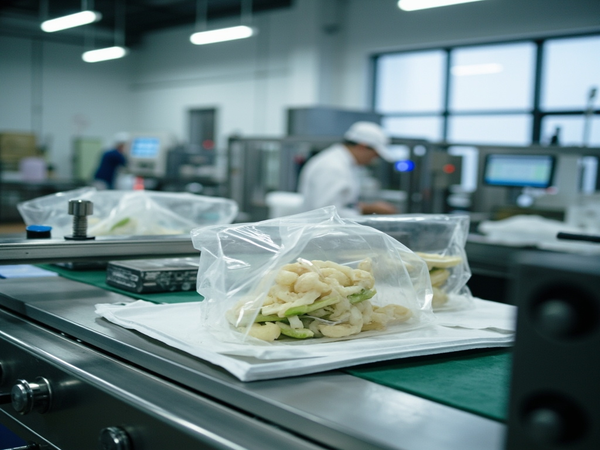
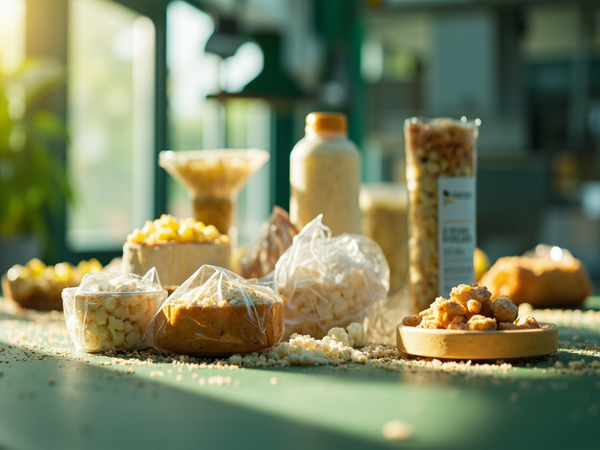
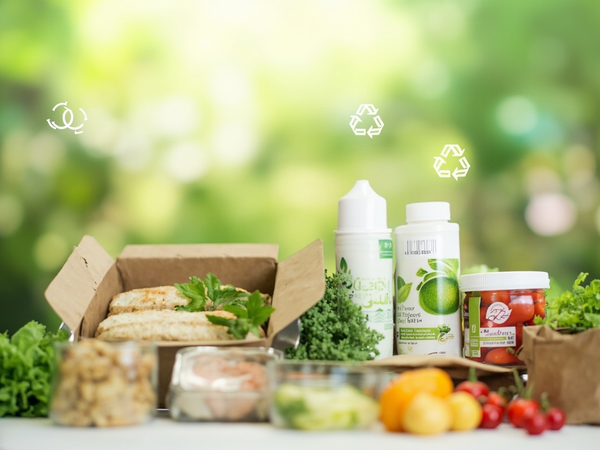
In the restaurant delivery sector, traditional plastic packaging is being rapidly replaced by biodegradable materials. PLA (polylactic acid) bio-based plastic bags, paper straws, and compostable food containers have been widely adopted by chain restaurant brands. Compared to conventional plastics, these biodegradable materials can decompose naturally within one to two years, significantly reducing pollution to soil and water systems.
The Secretary-General of the Food Packaging Industry Association noted that the current green packaging transition exhibits three major characteristics: first, policy-driven effects are evident, with plastic bans in various regions forcing industry upgrades; second, consumer environmental awareness has increased, with consumers willing to pay premiums for sustainable packaging; third, upstream material costs continue to decline, with the price gap between biodegradable and ordinary plastics narrowing to within 30%.
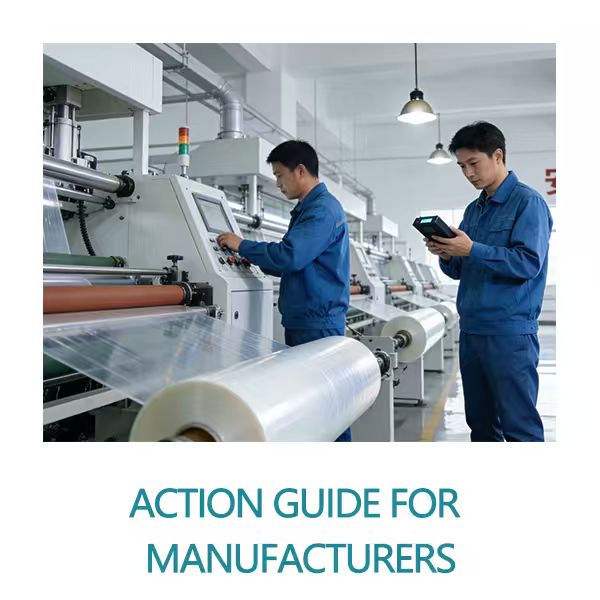
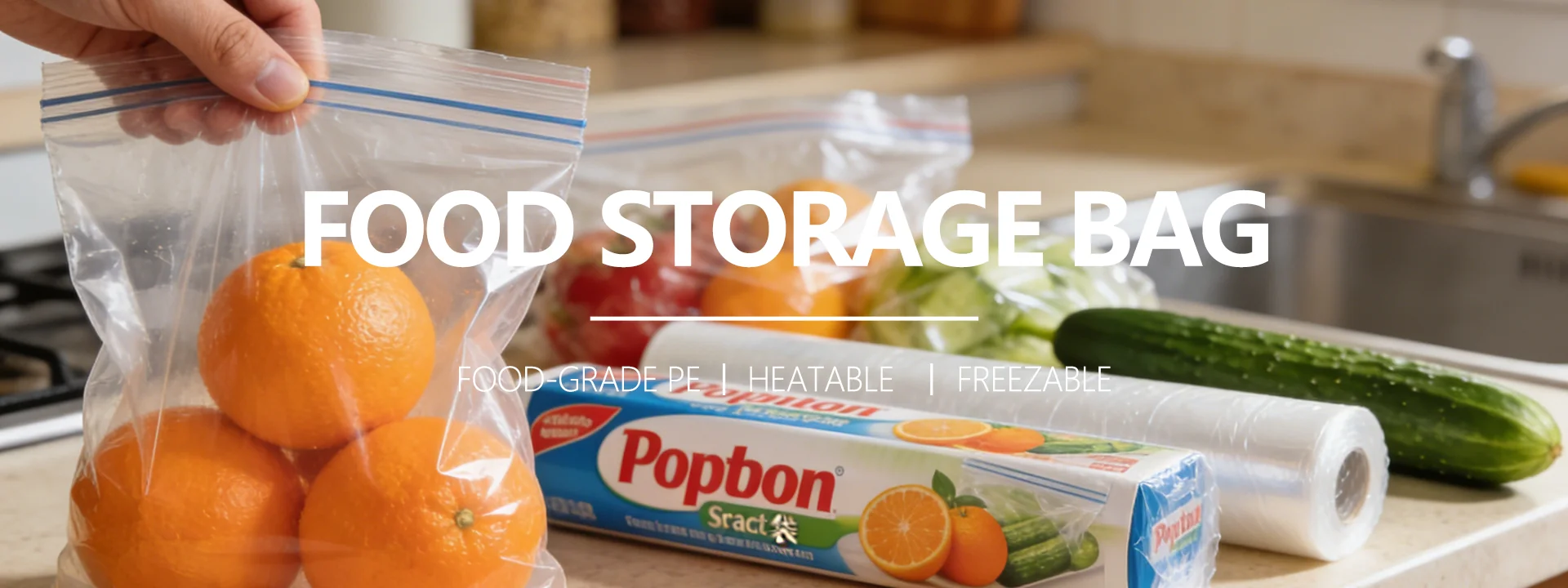
For food packaging enterprises, green transformation presents both challenges and opportunities. Baodafor New Materials Technology Co., Ltd. continues to monitor industry environmental trends, constantly exploring more eco-friendly material solutions across its core product lines including cling wrap, ziplock bags, and aluminum foil, promoting sustainable development in the food packaging industry.
Industry analysts believe the next three to five years will be the golden window period for green packaging in the food service industry. Enterprises need to seize the dual opportunities of policy and market to accelerate the layout of biodegradable packaging product lines, meeting increasingly stringent environmental regulatory requirements.