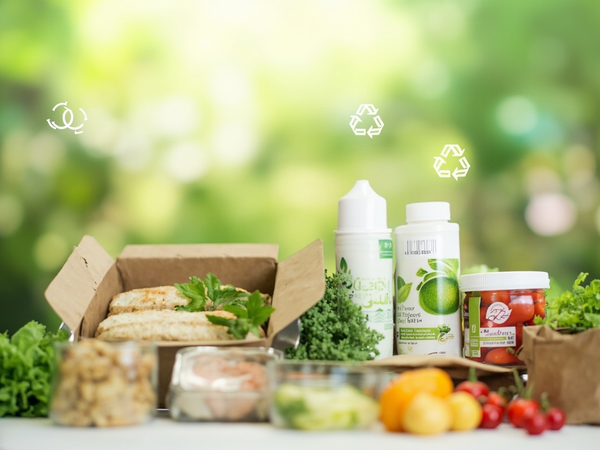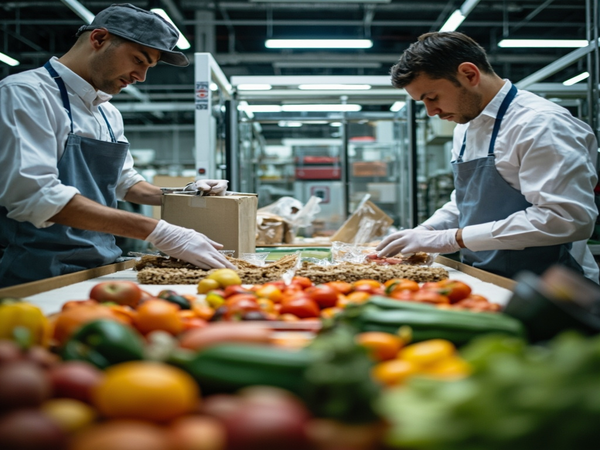
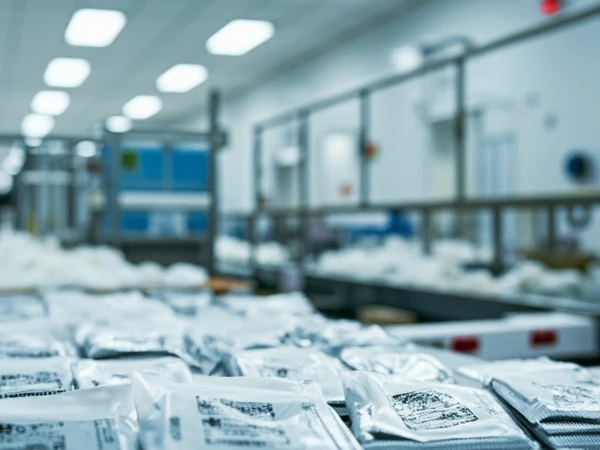
As global environmental awareness continues to rise, the food packaging industry is undergoing a profound transformation. Traditional plastic packaging faces dual pressure from tightening regulations and consumer backlash, while biodegradable materials represented by PLA (polylactic acid) are rapidly emerging as a new focus for corporate differentiation and competitive advantage.
Driven by the EU Single-Use Plastics Directive and the escalation of China's plastic restriction policies, chain giants such as Starbucks and McDonald's have successively announced expanded use of eco-friendly packaging. This has directly boosted market demand for upstream biodegradable materials. According to industry forecasts, the global bio-based packaging market is projected to exceed $60 billion by 2027, with a compound annual growth rate exceeding 15%.
Leading domestic food packaging companies are also accelerating their布局. Multiple manufacturers have built or planned production lines for PLA, PBAT and other biodegradable materials. Some companies' export products already account for more than 40% eco-friendly packaging. An executive from an Xiamen-based food packaging company revealed: "Overseas customers' inquiries about sustainable packaging have tripled in the past two years. Suppliers without environmental solutions are losing orders."
Notably, the cost disadvantage of biodegradable materials is gradually narrowing. Thanks to economies of scale and policy subsidies, prices for some PLA materials have already approached those of traditional PP materials. Industry analysis suggests that with fluctuating petrochemical raw material prices and the internalization of carbon costs, the economic tipping point for biodegradable packaging is expected to arrive around 2028.
However, the promotion of biodegradable materials still faces challenges including lack of unified standards and stringent degradation conditions. The industry is calling for accelerating the establishment of a unified industry evaluation system for degradation performance to ensure that "good materials" truly deliver "environmental benefits".