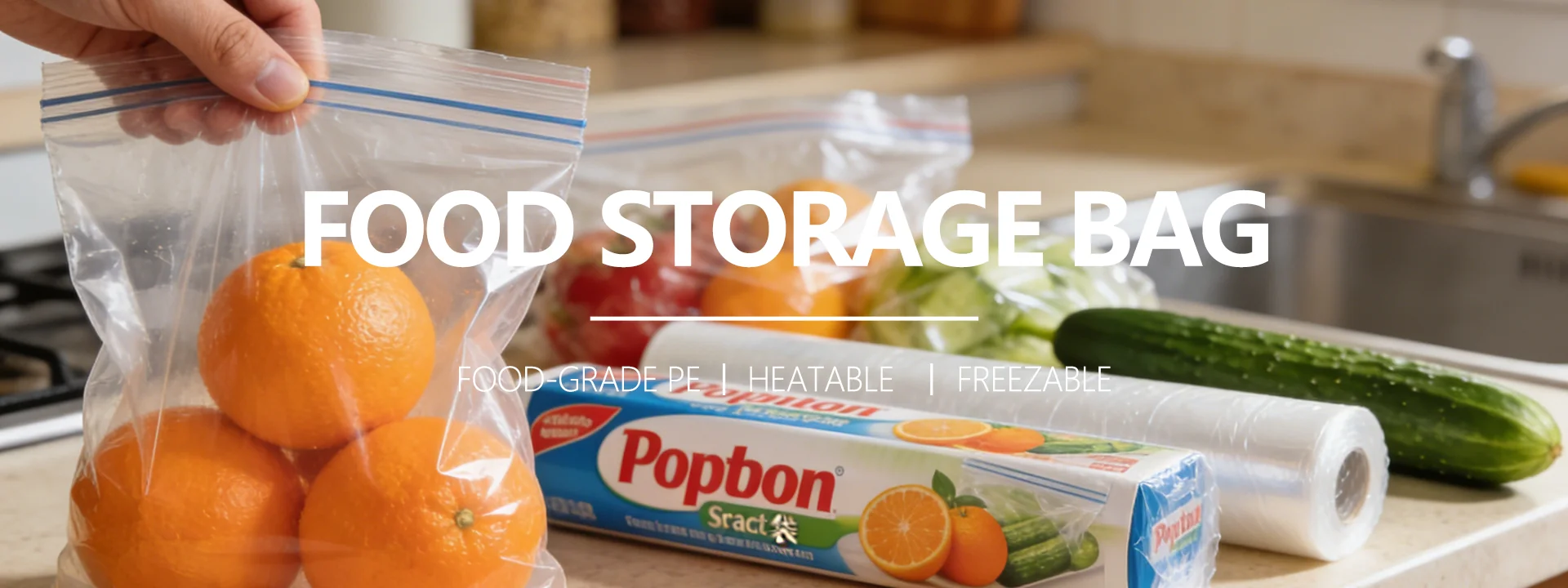

In modern home kitchens, plastic wrap and ziplock bags have become indispensable tools for food storage. These two seemingly simple items actually play a tremendous role in keeping ingredients fresh, preventing odor transfer, and extending shelf life—earning them the title of the "golden pair" for home food storage.
Plastic Wrap: The First Line of Defense for Sealed Protection
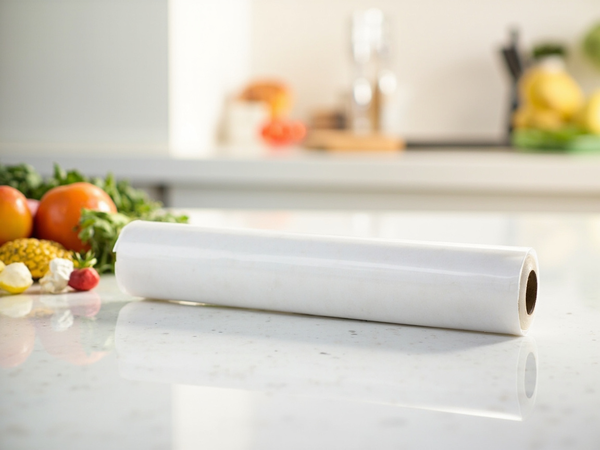
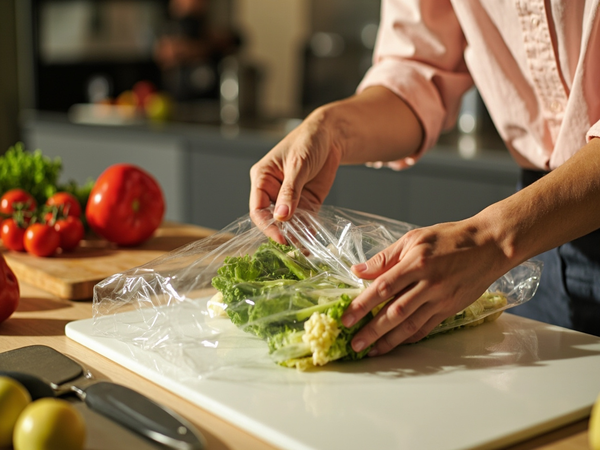
With its excellent sealing capability and snug fit, plastic wrap has become the most widely used preservation tool in the kitchen. Whether covering leftover dishes or wrapping cut fruits, plastic wrap can tightly conform to the edges of containers, effectively blocking the intrusion of air and bacteria. High-quality food-grade PE plastic wrap offers good breathability, allowing food to breathe slightly while avoiding moisture and mold caused by complete sealing.
In daily use, plastic wrap is also commonly used in microwave heating scenarios. Food-grade PE plastic wrap has heat-resistant properties and can be safely used in microwaves at low to medium power, providing a protective layer for food and reducing moisture loss. In the baking realm, non-stick baking paper is equally an excellent assistant, effectively preventing dough from sticking and improving baking efficiency.
Ziplock Bags: A Great Helper for Categorized Storage
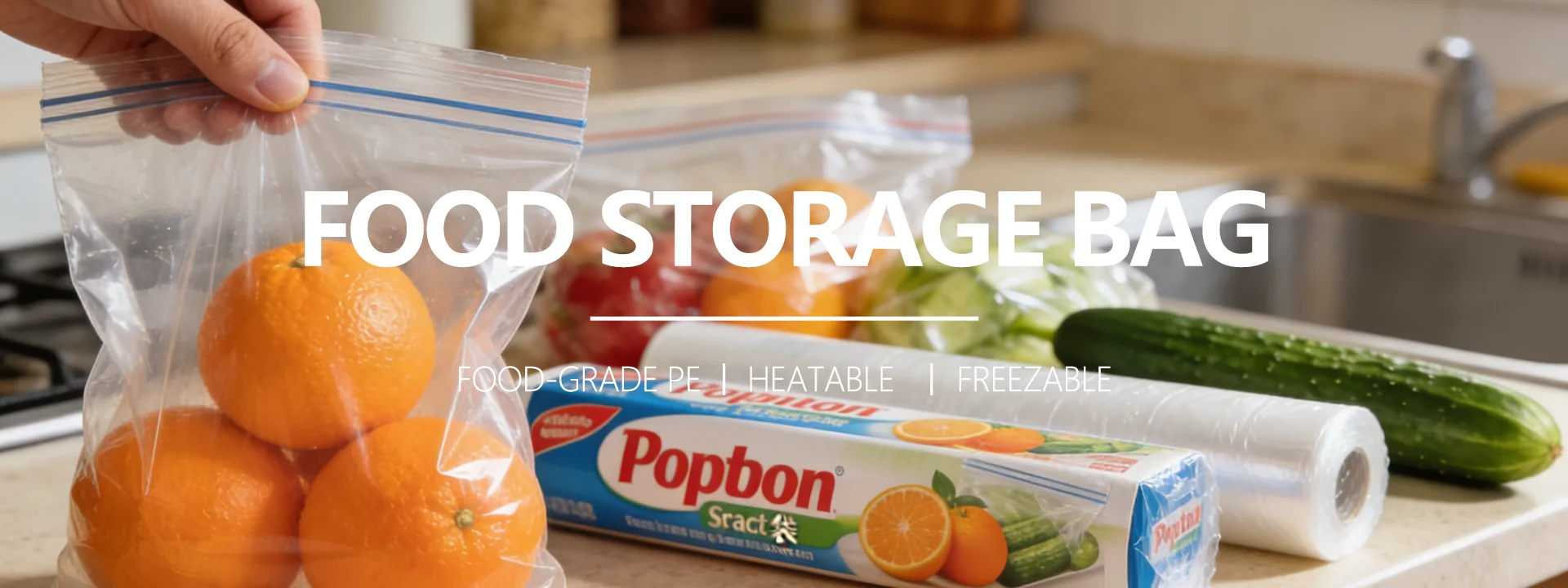
Compared to plastic wrap, the greatest advantage of ziplock bags is their resealable nature, making them especially suitable for storing ingredients that need to be accessed multiple times. Meat portioning, washed vegetables after draining, nuts and snacks for moisture-proof storage—ziplock bags handle it all with ease. Food-grade ziplock bags are made from safe raw materials, free from harmful substances like BPA, and can directly contact food, offering greater peace of mind.
The transparent nature of ziplock bags allows users to clearly identify the contents inside without opening them, greatly improving kitchen organization efficiency. After marking dates and placing them in the freezer, users can also achieve ingredient traceability management. Many families also use ziplock bags for travel packing, saving space while preventing liquid leaks.
Using Them Together Achieves Better Results
In practical use, combining plastic wrap and ziplock bags often achieves a保鲜效果 greater than the sum of its parts. For example, for meat that needs to be frozen, you can first portion it into ziplock bags for sealed storage, then wrap with an outer layer of plastic wrap to prevent freezer burn. For vegetable and fruit ingredients, storing in ziplock bags maintains breathable moisture, and wrapping with plastic wrap can further extend the preservation period.
Choosing food-grade plastic wrap and ziplock bags from reputable manufacturers is a basic prerequisite for ensuring family food safety. Baodafor focuses on research and production of food-grade packaging products, providing safe and reliable storage solutions for households.