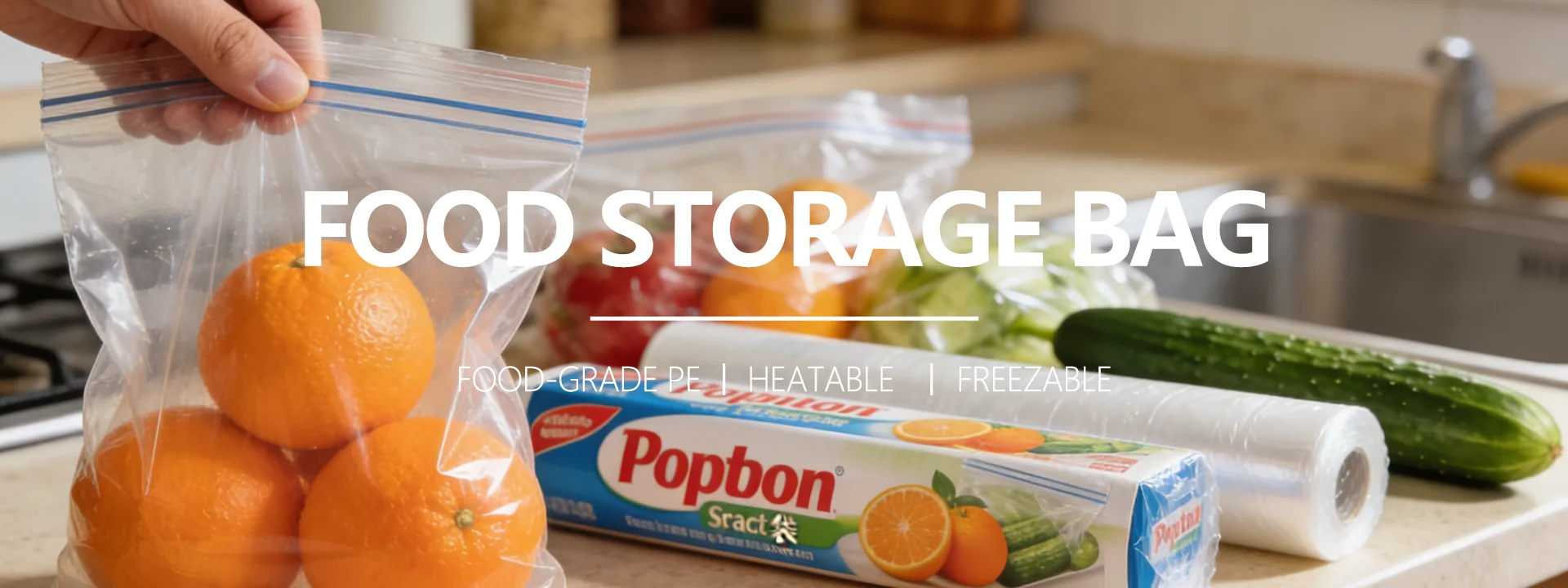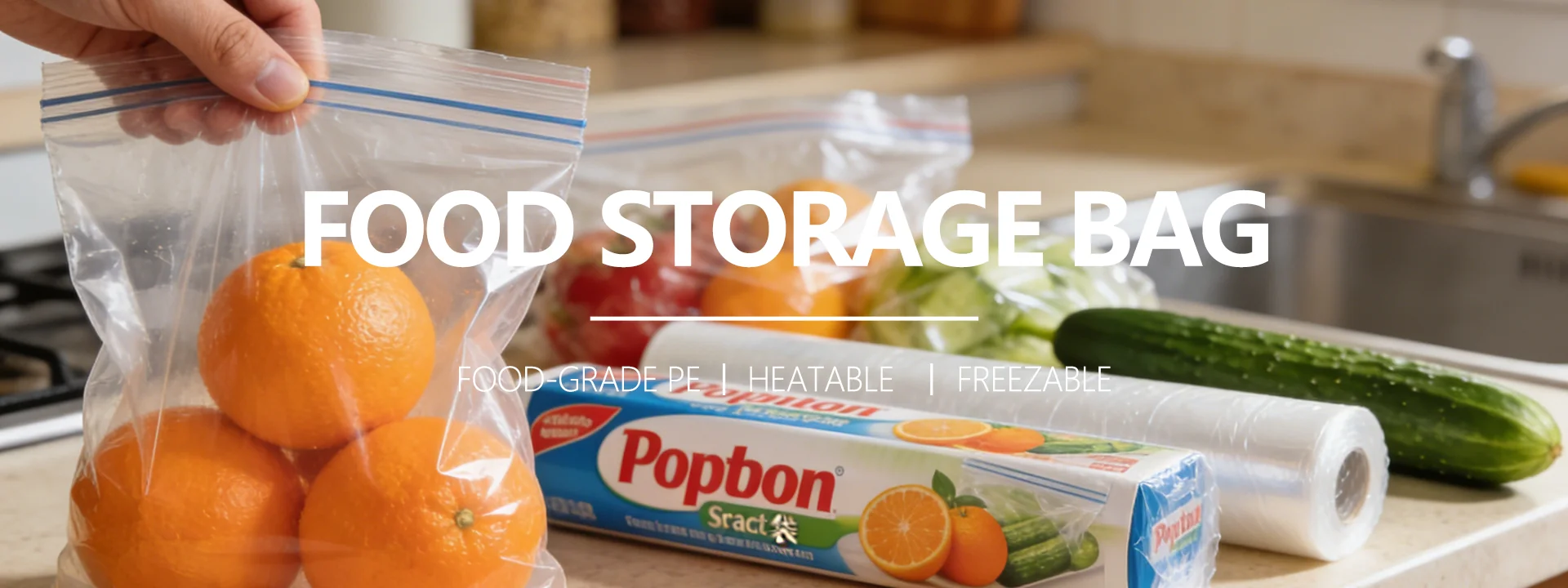
In the food packaging industry, puncture resistance is one of the core indicators for evaluating the quality of ziplock bags. Baodafor New Materials Technology recently announced that its R&D team has successfully increased the puncture strength of its ziplock bag series by nearly 30% through optimizing polyethylene material formulations and production processes, further enhancing product applicability in high-demand scenarios such as frozen foods and electronic components.
This technical upgrade is reflected in three main aspects: First, the R&D team added a new toughening agent to the base resin, significantly improving the bag's resistance to sharp object penetration while maintaining flexibility. Second, parameters in the blown film process were finely adjusted, making the molecular arrangement of the film more uniform and dense. Finally, a stepped hot-pressing technology was introduced in the bag-sealing process, notably enhancing the overall strength of the seal edge and avoiding the common issue of tearing at traditional seal edges.
According to Baodafor's quality control manager, in tests simulating actual frozen food transportation environments, after repeated freeze-thaw cycles, the new ziplock bags maintained stable sealing performance without any cracking or seal edge delamination. This characteristic makes the product especially suitable for use scenarios requiring multiple freezing and thawing, such as meat, seafood, and frozen prepared foods.
On the environmental front, Baodafor has also made progress. While maintaining high performance, the new ziplock bags have not increased in thickness, effectively controlling the plastic usage per unit product. Additionally, the products can be processed through household PE recycling systems for end-of-life treatment, aligning with the current industry trend toward reduction and lightweighting.
Currently, the upgraded ziplock bag series has begun mass supply to domestic and international customers. Baodafor stated it will continue investing in material R&D to promote collaborative improvement of food packaging products across safety, environmental protection, and functionality dimensions.