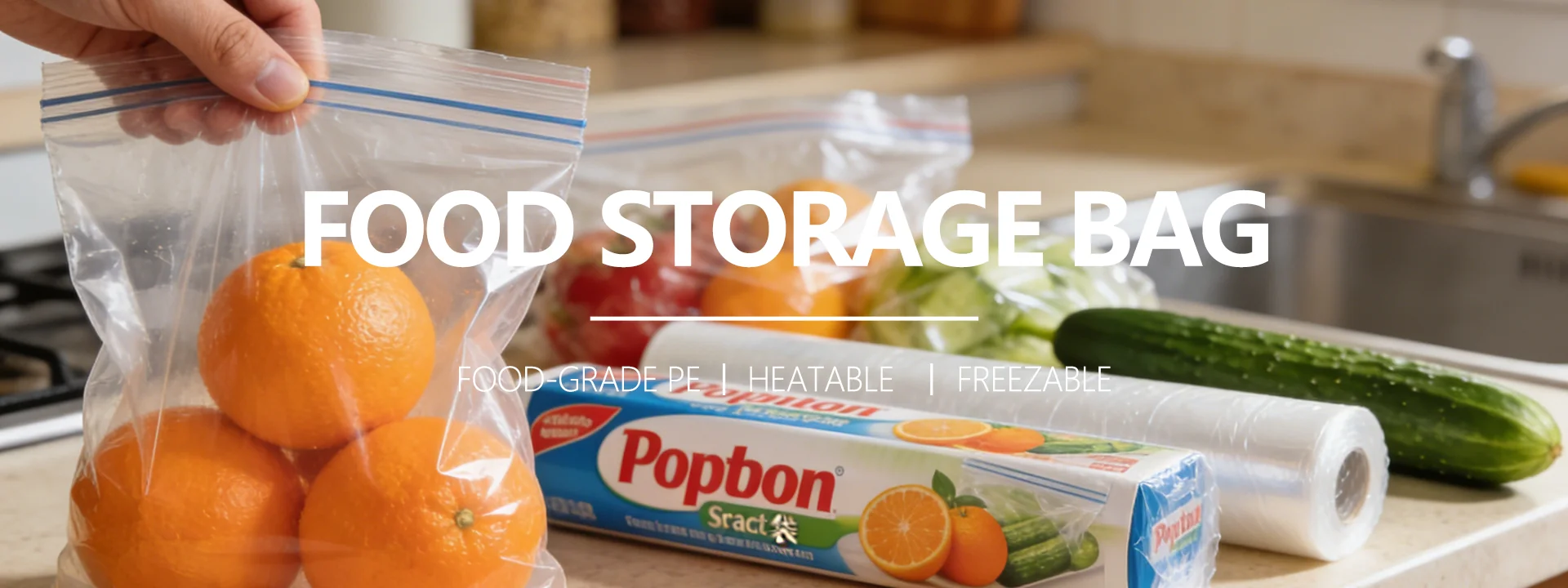
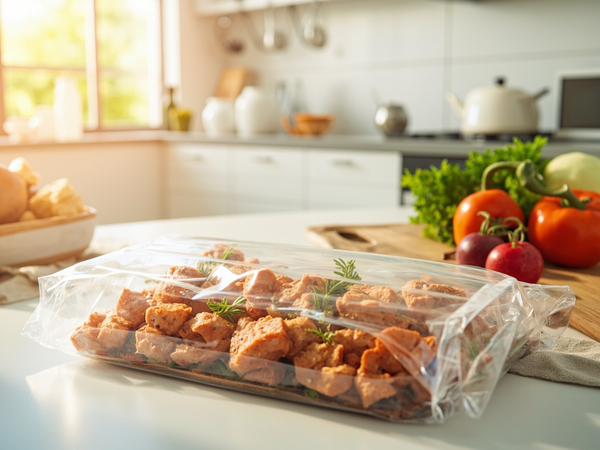
In modern kitchens, cling wrap has become an indispensable everyday item. But many people still think of it only as something for covering leftover food — it actually has many more practical uses in our daily lives.
1. Choosing the Right Cling Wrap Material
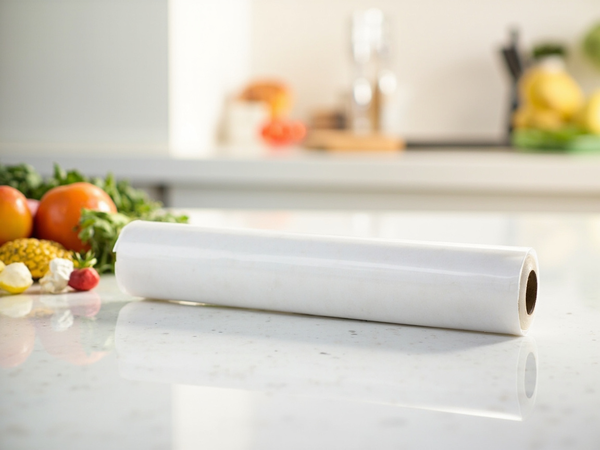
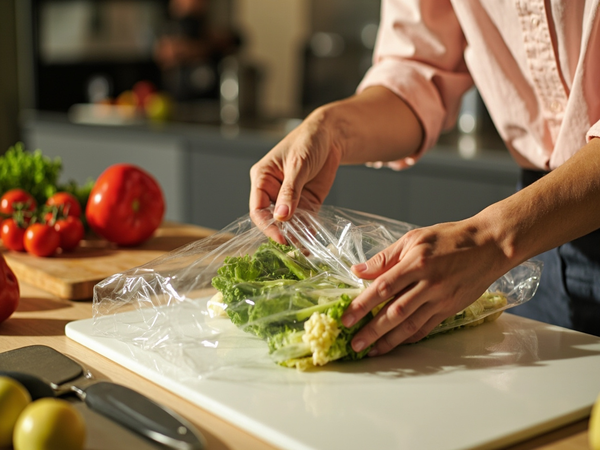
The main types of cling wrap available on the market are PE (polyethylene) and PVC (polyvinyl chloride). PE cling wrap is non-toxic and harmless, making it the top choice for household use. It offers excellent breathability and preservation effectiveness, suitable for wrapping vegetables, fruits, and cooked foods.
2. Multiple Practical Uses for Cling Wrap
1. Prevent Liquid Spills: When carrying soups or beverages, seal the cup rim with cling wrap before putting on the lid to effectively prevent spills.
2. Improvised Funnel: Without a funnel available, you can fold cling wrap into a funnel shape for temporary use.
3. Protect Minor Wounds: During bathing, apply a layer of cling wrap over small wounds to keep them dry.
4. Prevent Freezing: During winter, wrap cling wrap around outdoor water pipes to prevent freezing and bursting.
3. Usage Precautions
1. Avoid High Heat: PE cling wrap is not heat-resistant and should not be placed in the microwave (unless marked as microwave-safe).
2. Avoid Contact with Oily Foods: Oil accelerates the migration of components from cling wrap, so direct contact should be avoided.
3. Replace Promptly: Replace cling wrap promptly when you notice any damage or discoloration.
Choosing reliable quality cling wrap products not only keeps food fresher longer but also makes our lives more convenient. Use cling wrap correctly and let it become your helpful assistant in the kitchen.